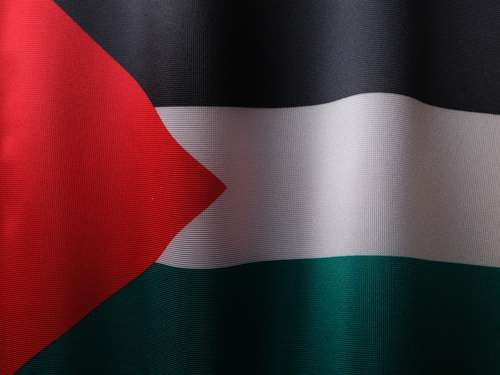
BRUSSELS, January 10, 2026 – The global diplomatic landscape regarding the Middle East peace process has witnessed another seismic shift this week. In a coordinated move solidifying the continent's evolving stance, Denmark and the Netherlands have officially announced their formal recognition of the State of Palestine. This development, confirmed late Friday, marks the latest chapter in a growing international consensus that has seen major Western powers realign their foreign policy in favor of a definitive UN two-state solution.
Northern Europe Completes the Diplomatic Realignment
The announcement from Copenhagen and The Hague comes just months after the historic wave of recognitions in late 2025, which saw the United Kingdom, France, and Canada shift their long-standing positions. Danish officials stated that the recognition, effective immediately, is intended to "safeguard the viability of the two-state solution" amid the deepening crisis in the region. Similarly, the Dutch Foreign Ministry described the move as a "necessary step" to support moderate Palestinian leadership and reignite the dormant Middle East peace process 2026.
"We can no longer wait for a perfect peace deal to exist before acknowledging the right of the Palestinian people to self-determination," the Dutch Foreign Minister told reporters in a press briefing on Saturday morning. This decision fulfills pledges made by both nations during the September 2025 UN General Assembly, where they had indicated that recognition would follow once specific diplomatic conditions were met.
A unified European Foreign Policy Emerges
This week's declarations effectively consolidate a unified European foreign policy regarding Palestinian statehood. The momentum began in earnest in May 2024 with the coordinated recognition by Spain, Ireland, and Norway, followed swiftly by Slovenia. However, the diplomatic floodgates truly opened in September 2025, when France and Belgium led a G7 bloc including the UK and Canada to recognize the state, isolating the few remaining holdouts.
With Denmark and the Netherlands now on board, the European Union is closer than ever to a unanimous position, increasing pressure on the United States to reconsider its veto power at the Security Council. Analysts suggest that this near-total European consensus will be a central topic at the upcoming EU summit, potentially paving the way for EU-wide sanctions on illegal settlements, a measure Belgium has already pioneered.
Israel's Diplomatic Response
The Israel diplomatic response has been swift and sharp. Israeli officials condemned the move as a "reward for intransigence" and immediately recalled their ambassadors from both Denmark and the Netherlands for consultations. In a statement released early Saturday, the Israeli Foreign Ministry warned that these "unilateral measures" would only harden positions and distance the prospects of a negotiated settlement.
Despite the backlash, European leaders appear undeterred, citing the urgent need to preserve the possibility of a two-state outcome in the face of expanding settlements and the unresolved humanitarian situation in Gaza.
The Road Ahead: UN Membership in 2026?
The focus now shifts to New York, where the international statehood news is fueling renewed efforts for full United Nations membership for Palestine. While the US vetoed a similar bid in 2024, the geopolitical map of 2026 looks vastly different. With over 160 UN member states—including key US allies in the G7 and NATO—now recognizing Palestine, the diplomatic cost of a Washington veto continues to rise.
Diplomats in New York hint that a new resolution for full membership could be introduced as early as February 2026. "The question is no longer 'if', but 'when'," noted a senior UN diplomat. "When staunch US allies like the UK, France, and now the Netherlands have crossed the Rubicon, the status quo becomes unsustainable."