
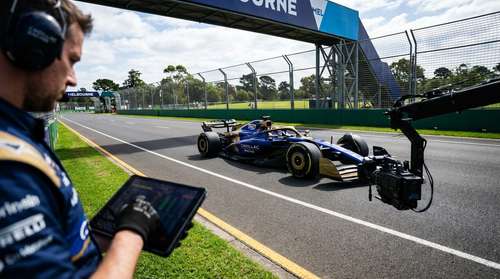
The roar of the engines has changed, the cars have shrunk, and for the first time in a decade, the Formula 1 grid has expanded. The Formula 1 2026 season opener officially kicked off today at Melbourne's Albert Park, marking the start of the sport's most transformative era in modern history. As the sun set over the lakeside circuit on Friday, fans weren't just witnessing a new season; they were watching a complete reinvention of Grand Prix racing. With the debut of the Cadillac F1 team and the introduction of revolutionary F1 technical regulations 2026, the paddock is buzzing with a mix of apprehension and adrenaline.
A New Breed of F1 Car: Active Aero and the 50/50 Split
Friday's practice sessions gave the world its first proper look at the new generation of machinery in anger. The 2026 regulations have produced cars that are shorter, narrower, and nominally lighter, designed to be more nimble through Albert Park's chicanes. But the biggest talking point in the paddock is the visible implementation of active aerodynamics Formula 1 has now adopted.
Gone is the Drag Reduction System (DRS) of the past. In its place, drivers spent Friday testing the new 'Z-Mode' (high downforce for corners) and 'X-Mode' (low drag for straights). Watching from trackside, the effect is startling—wing elements visibly actuate not just for overtaking, but constantly throughout the lap to manage airflow. "It’s a busy cockpit," noted Mercedes driver George Russell after FP1. "You’re constantly managing the aero balance while preparing the battery for the next attack."
Under the hood, the changes are just as drastic. The new power units feature a 50/50 split between internal combustion and electrical power. The removal of the MGU-H and the tripling of the electrical output to 350kW has created a power delivery that is torque-heavy and instant. This was evident in Melbourne GP practice updates, where cars were seen squirming under acceleration out of Turn 3, fighting for traction in a way we haven't seen in years.
Cadillac’s Historic Arrival as the 11th Team
While the tech is fascinating, the emotional headline of the weekend is undoubtedly the Cadillac F1 team debut. For the first time since 2016, there are 22 cars on the grid, and the American outfit has arrived with serious intent. Fielding a lineup of veterans Valtteri Bottas and Sergio Pérez, Cadillac isn't just here to make up the numbers.
The F1 2026 American team hit the track in a striking dark blue and gold livery, completing a respectable 45 laps in FP2 without major reliability issues. Team Principal Graeme Lowdon remained cautiously optimistic. "To be here in Melbourne with two cars running reliably is a victory in itself," he told reporters. "But we are racers. We want points."
Early data suggests Cadillac is currently battling in the midfield, a remarkable achievement for a debutant. Their partnership with Ferrari for power units in this interim period seems to be paying off, providing a stable platform while they develop their chassis. The sight of the Cadillac V-Series logo screaming down the main straight has undoubtedly energized the American fanbase, signaling a massive expansion of U.S. involvement in the sport.
Friday Practice Recap: The Pecking Order Reshuffled
The 2026 Australian Grand Prix results from Friday practice hint at a shaken-up hierarchy. The new 'Manual Override' mode—which replaces DRS for overtaking—was tested extensively. This system allows a chasing driver to deploy extra electrical power up to 337 km/h, and drivers like Max Verstappen were already vocal about its strategic implications.
Ferrari and McLaren topped the time sheets in FP2, with Lewis Hamilton looking particularly comfortable in the new, smaller Ferrari chassis. Red Bull, meanwhile, seemed to struggle slightly with the energy management required by the new 50/50 power split, with Verstappen complaining of 'clipping' (running out of battery deployment) on the long run to Turn 9.
Key Takeaways from Friday:
- Ferrari's Pace: The Scuderia looks to have nailed the active aero transitions better than rivals early on.
- Tire Wear: The lighter cars are putting less energy through the tires, but the higher torque is causing thermal degradation at the rear.
- Overtaking Dynamics: The Manual Override creates a cat-and-mouse game; drivers are learning they can't just press a button and pass—they have to harvest energy strategically beforehand.
What to Expect for Qualifying and the Race
As we look toward Saturday's qualifying and Sunday's race, the uncertainty is palpable. The F1 technical regulations 2026 have removed the safety net of established data. Teams are learning lap by lap. Will the Cadillac hold up over a full race distance? Can Red Bull solve their energy deployment issues overnight? And who will master the X-Mode activation best under pressure?
One thing is certain: the 2026 era has arrived with a bang. The cars are harder to drive, the strategy is more complex, and with 11 teams now fighting for real estate into Turn 1, the Australian Grand Prix promises to be an unmissable spectacle.