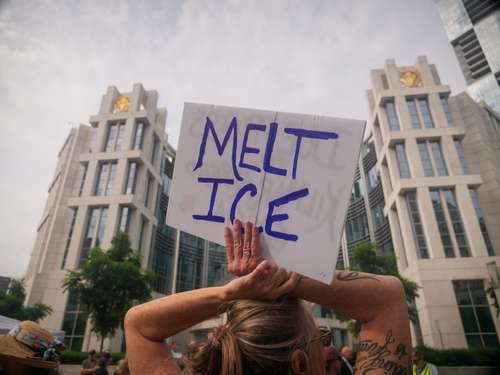
The Trump administration’s approach to reshaping immigration has been nothing short of seismic. There’s been a flurry of policy shifts that many say are a bold attempt at immigration reform, yet these measures have stirred up heated debates across the nation. Some view these changes as necessary for bolstering border security and national safety; others see them as an overreach that compromises humanitarian values.
When you dig into the details, it almost feels like the rules of the game have changed overnight. Policies are emerging that don't just tweak the system—they aim to overhaul it entirely. And with the heavy emphasis on deportation policy, increased funding for agencies like ICE, and controversial travel bans, it’s no wonder the topic has become a hot button issue in conversations from local communities to the halls of Congress.
It might seem like each day brings a new headline about visa restrictions or an unexpected immigration raid. Yet behind these rapidly shifting policies is a broader ambition to reshape the landscape of US immigration. This isn’t just about adjusting numbers—it's about fundamentally altering the immigration system and how it’s enforced.
Administrative Overhaul and Judicial Impact
The Trump administration introduced sweeping changes that affected not only enforcement procedures but also the way immigration cases are handled in courts. With an agenda centered on immigration executive orders, efforts were quickly set into motion, aiming to streamline what many believed was a clogged and outdated bureaucracy.
The administration prioritized rapid case processing, a move that many applaud for reducing the backlog of immigration court cases. However, others point out that the process often leaned heavily on deportation policy and strict measures, leading to concerns about the fairness of proceedings. Some critics even argue that these changes led to a sort of 'immigration crackdown' that bypassed standard judicial protocols.
In some instances, the expedited system has led to decisions that many say were too hasty. Imagine trying to solve a complex puzzle under a ticking clock—every piece counts, and even one misstep can lead to a faulty outcome. That was the challenge for those in immigration court during this period, as they navigated not only legal intricacies but also political pressures. The debates over whether such measures truly ensured justice continue to burn brightly among legal experts and human rights advocates alike.
Increased Funding and Resource Allocation
Early in his term, President Trump significantly boosted funding for agencies like ICE and other border enforcement bodies. This additional money was aimed at accelerating operations, tightening border security, and enhancing the implementation of immigration laws. With every dollar, the administration intended to paint a picture of a tough, no-nonsense stance on illegal entry and visa overstays.
The substantial funding injections into border security reflected a broader commitment to a more active immigration enforcement agenda. By bolstering the resources available to process and deport those who fall afoul of immigration laws, the administration sought to ensure that border security was taken seriously in every sense. This move also emboldened local law enforcement agencies to collaborate more closely on immigration matters.
For many supporters of these policies, it was a clear signal that certain aspects of immigration reform were long overdue. Yet, critics argue that while increased funding can improve operations, it sometimes inadvertently promotes a harsh approach, where the quest for efficiency overrides individual rights. At its heart, this funding debate reveals a larger question about the balance between law enforcement and humanitarian considerations.
Tactical Shifts in Border and Asylum Policies
The Trump administration's changes weren’t limited solely to funding mechanisms and judicial processes—they also delved into specific policy areas like asylum and travel bans. These moves were designed to reshape immigration policy at its core, targeting vulnerabilities within the existing system. A prime example of this is the controversial travel ban, which many saw as a precursor to broader and more aggressive moves.
The travel ban, designed to restrict entry from specific regions, was emblematic of the administration’s stance on immigration enforcement. It sent shockwaves across the country, with many questioning the balance between national security and cultural openness. Critics saw the measure as a stark reminder that the Trump administration was ready to recalibrate US immigration laws in a manner that many felt sidelined longstanding American values.
On the asylum front, the revised policies aimed to narrow the ground for refugee claims. By putting in place stricter criteria, the administration hoped to discourage what it described as opportunistic applications for asylum. With these adjustments, asylum policy transformed dramatically—making prolonged hearings and legal battles a common experience for many hopeful applicants. This shift has been seen by some as the antithesis of American immigration ideals, compelling the public to consider the real cost of such expedited processes.
Controversial Tactics and the Human Element
While policy details can seem dry at times, the human impact of these changes has been profound. The Trump administration’s aggressive stance on immigration enforcement led to a series of high-profile incidents that continue to evoke strong emotions. Issues like family separation and immigration raids have dominated headlines, igniting passionate debates about the ethics behind these actions.
For many families caught in the middle, these strategies weren’t abstract concepts in legislative halls—they were real, life-altering events. Consider the heartbreaking cases of family separation, where a policy meant to deter illegal entry ended up tearing families apart. It’s like watching a well-oiled machine that’s suddenly misfiring, causing collateral damage among the most vulnerable populations.
In this context, Trump immigration changes have often been framed in stark and polarizing terms. Some argue that the severity of these measures was necessary to prevent abuses of the immigration system and maintain national security. Others feel that the human cost far outweighs any potential benefits, branding these policies as not true immigration reform but rather an immigration crackdown that fails to address systemic issues.
Looking Ahead: A Transformed Immigration Landscape?
No one can say for sure what the long-term effects of these policies will be. The Trump administration’s approach to reshaping immigration has undoubtedly left a deep mark on US immigration. While some of these changes might be reversed or tempered by future administrations, their influence on public debate and legal precedents remains significant.
For those who supported the emphasis on border security and deportation policy, it was a reaffirmation of a strict immigration enforcement agenda. For others, the changes symbolized a deep rift between traditional American values of openness and the new focus on national security. When you look back at this period, think of it as a crossroads where the nation was forced to decide if efficiency in handling immigration cases could come at the expense of compassion.
The legacy of these policies continues to spark debate across voting booths, dinner tables, and social media forums. It’s a reminder that policies affecting the lives of millions are never just administrative matters—they have human faces, real stories, and lasting consequences.
In conclusion, the Trump administration’s efforts to reshape immigration have been a blend of administrative overhauls, heightened funding for enforcement agencies, and controversial policy shifts. Whether you see these changes as necessary steps toward secure borders or as measures that compromised longstanding values, there’s no denying that the landscape of US immigration was forever altered. As debates continue and new administrations step up, the evolution of immigration policy remains a vital and endlessly debated chapter in American history.