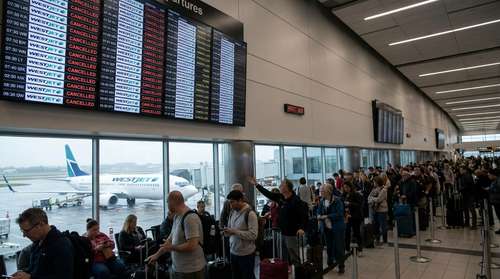
The fallout from the highly disruptive WestJet strike 2026 continues to ripple across North American airports this week, leaving thousands of passengers scrambling to salvage their summer plans. While the Calgary-based airline and its flight attendants' union reached a tentative agreement early Monday morning, the operational hangover remains severe. Travelers are still facing dozens of WestJet flight cancellations and lengthy delays as the carrier struggles to reposition displaced aircraft and rest fatigued crews. If you were caught in the crossfire of this intense labor dispute during one of the busiest travel periods of the year, navigating the recovery phase requires patience and a clear understanding of your passenger rights. Here is exactly what you need to know about the current situation and how to protect your itinerary.
The CUPE Local 8125 and WestJet Strike 2026 Resolution
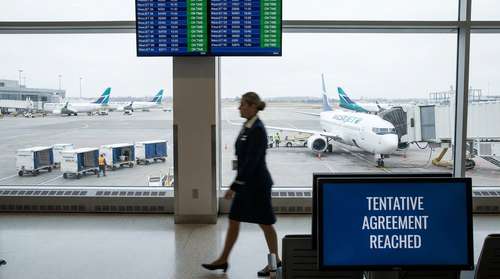
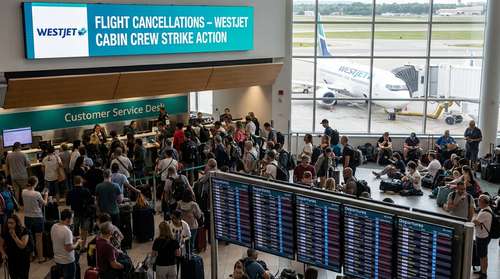
After a tense weekend that completely derailed Canada long weekend travel, WestJet management and the union representing roughly 4,400 flight attendants struck a last-minute deal. The CUPE Local 8125 strike officially ended on Monday, August 3, concluding a chaotic 28-hour work stoppage that grounded over 600 flights nationwide and impacted an estimated 250,000 travelers.
The core of the dispute centered on unresolved workplace issues that had been brewing for nearly a year. Flight attendants pointed to unpaid ground time, inadequate compensation for pre-boarding duties, and a general stagnation in wages amid inflation. According to union leadership, the newly minted tentative agreement delivers meaningful progress, specifically evolving the flight credit system to properly recognize the essential, previously unpaid tasks cabin crews routinely perform. While a formal ratification vote by union members is still pending, both the union's strike notice and the airline's lockout warning have been fully withdrawn, clearing the immediate path for employees to return to the skies.
Why WestJet Flight Cancellations Are Still Happening
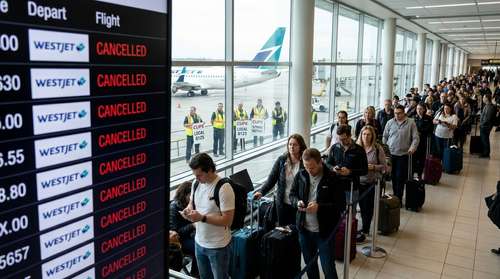
Despite the successful labor resolution, many travelers might be wondering why their departure boards are still flashing glaring red text. The reality of modern aviation logistics is that recovering from large-scale airline strikes August 2026 is a massive, complex puzzle.
When a major carrier halts operations, aircraft and crews end up stranded at airports far from their scheduled hubs. Realigning these vital operational assets takes several days. For WestJet, restoring a vast network that handles roughly 30 percent of the Canadian domestic market means flying empty planes to staging airports and transporting out-of-position crews to their proper origins. Consequently, while the sheer volume of disruptions is steadily tapering off from Monday's peak—when nearly 62 percent of flights were scrubbed—lingering WestJet flight cancellations will persist through the middle of the week as the schedule slowly knits itself back together.
Checking WestJet Flight Status Updates
Aviation analytics data revealed that residual cancellations trickled heavily into Tuesday and Wednesday. Passengers are strongly urged to monitor official WestJet flight status updates digitally before ever leaving for the airport. Do not assume your scheduled departure is guaranteed simply because the labor strike has formally concluded. The airline's customer service phone lines remain heavily congested, making the mobile app and website the most efficient tools for tracking your specific aircraft's movements in real time.
Navigating the WestJet Refund Policy and Flexible Changes
To mitigate ongoing passenger frustration and clear out airport bottlenecks, the carrier has heavily modified its standard ticketing rules. Understanding the current WestJet refund policy is absolutely crucial for anyone holding a ticket this week.
The airline has proactively extended its flexible change and cancellation guidelines to cover all flights scheduled up to and including Thursday, August 6, 2026. Under these temporary emergency provisions, impacted passengers can:
- Make a one-time change to their itinerary with no penalty fees or fare differences applied.
- Cancel their booking entirely in exchange for future travel credits.
- Request a full refund to the original form of payment if the airline outright canceled their specific flight.
This proactive waiver allows travelers to delay their trips without financial penalty while the overall network stabilizes. Keep in mind that WestJet Encore flights, which are operated by a separate regional subsidiary, were largely insulated from the mainline dispute, though connecting itineraries will still face severe delays.
What Travelers Should Do Next
If you are scheduled to fly in the immediate aftermath of this disruption, aggressive preparation is your best defense. Start by downloading the airline's mobile app and enabling push notifications for instant alerts. Ensure your contact information is fully updated in your booking profile so automated rebooking systems can reach you if your flight is axed at the last minute.
For those whose vacations or business trips were completely derailed over the Civic Holiday weekend, federal Air Passenger Protection Regulations (APPR) mandate specific rebooking and refund standards during labor disruptions. While strikes are often classified as outside the airline's direct control regarding cash compensation, WestJet is still required to rebook you on the next available flight—even on a competitor airline if necessary—or provide a full refund. Your immediate focus should remain on utilizing the extended fee waivers to secure a confirmed seat home. As WestJet pushes through this grueling recovery phase, normal operations are expected to resume fully by the weekend, finally closing the chapter on this chaotic summer disruption.