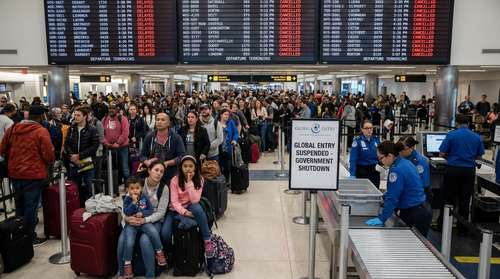
A perfect storm of political gridlock and record-breaking travel demand has descended upon America's airports, triggering a massive travel crisis just as the peak Spring Break 2026 season begins. As of Wednesday, February 25, a partial U.S. government shutdown has entered its eleventh day, paralyzing key operations within the Department of Homeland Security (DHS) and leaving 171 million projected flyers facing unprecedented uncertainty.
Global Entry Suspended: The New "Shutdown" Normal
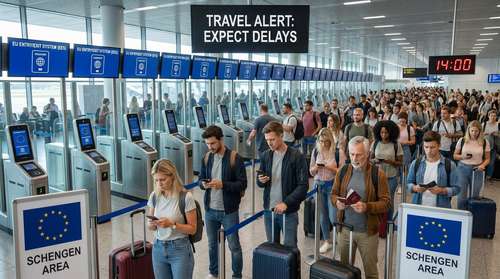
The most immediate shockwave hit travelers on Sunday, February 22, when the DHS suspended the Global Entry program. The move, intended to "refocus Department personnel on the majority of travelers," has effectively shuttered the expedited customs lanes used by over 18 million low-risk flyers. While the Transportation Security Administration (TSA) reversed an initial decision to also pause TSA PreCheck following severe industry backlash, the halt on Global Entry remains in full effect.
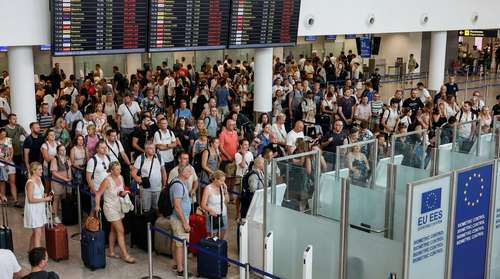
"We are seeing a worst-case scenario unfold," says travel analyst Sarah Jenkins. "You have international arrivals piling up in standard customs lines that are already understaffed because officers are working without pay. It's a bottleneck that ripples back to the tarmac, causing missed connections and tarmac delays."
171 Million Passengers vs. Unpaid Agents
The timing could not be worse. Airlines for America (A4A) released data this week projecting a record shattering 171 million passengers will fly between March 1 and April 30, a 4% increase from 2025. U.S. airlines have added 2% more seats to accommodate the surge, expecting to carry an average of 2.8 million passengers daily.
However, the infrastructure to handle this volume is crumbling. Approximately 95% of TSA's 61,000 employees are deemed essential and are currently working without pay since the funding lapse began on February 14. The strain is palpable. During the 2019 shutdown, unscheduled absences among TSA screeners hit 10%, causing massive line closures. Fears are mounting that a similar "blue flu" could cripple security checkpoints at major hubs like Atlanta (ATL), Dallas-Fort Worth (DFW), and Los Angeles (LAX) as the shutdown drags on.
Industry Leaders Sound the Alarm
Chris Sununu, CEO of Airlines for America, didn't mince words in a statement released Tuesday. "U.S. airlines are ready for the travel rush this spring, but we have grave concerns that millions of travelers are once again being used as a political football," he said. Sununu urged Congress to strike a deal immediately to ensure TSA and Customs and Border Protection (CBP) can fully operate.
What Travelers Need to Know Right Now
If you are one of the millions scheduled to fly for Spring Break 2026, the standard "arrive two hours early" advice no longer applies. Experts are issuing urgent guidance for navigating the chaos:
- Global Entry is Dead (For Now): If you are returning from an international trip, expect to wait in standard customs lines. Download the Mobile Passport Control (MPC) app immediately—it is the only remaining expedited option for many travelers.
- TSA PreCheck is Fragile: While currently operational, staffing shortages could lead to lane closures at any moment. Do not assume your PreCheck status will guarantee a 5-minute wait.
- Monitor Wait Times: Use the MyTSA app to check real-time security wait times, but add a 30-45 minute buffer to whatever you see.
- Pack Patience and Snacks: With airport dining staff also potentially affected by the wider economic ripple effects, and lines stretching into terminals, self-sufficiency is key.
The Political Standoff Continues
The shutdown stems from a fierce disagreement on Capitol Hill regarding funding for Immigration and Customs Enforcement (ICE) and border policy reforms. With DHS Secretary Kristi Noem stating that the suspension of "special privilege" programs like Global Entry is a necessary resource reallocation, there is no clear end in sight. As negotiations remain stalled, the traveling public is left to bear the brunt of the impasse.
For now, the message to spring breakers is clear: expect delays, prepare for long lines, and brace for a travel season defined by government inaction.