The conflict in Sudan's Darfur region has escalated beyond what many of us could have imagined. The humanitarian situation is dire, and it feels like every report brings more heartbreak. I'm sure you've been following the news, and like many of us, you've wondered if the global community is doing enough to help those in need.
Over the past few weeks, the UN Humanitarian Chief has been urging world leaders to come together and take action. The call for global action isn’t just a political statement—it’s a desperate plea from the ground where families are caught in the crossfire, their lives upturned and hopes dimming fast. The situation reminds us all that a humanitarian crisis knows no borders.
Global Call for Action
This section highlights the urgent need for the United Nations and its international partners to step up their commitments. Several countries have already pledged emergency relief, but the scale of the crisis requires more than sporadic help.
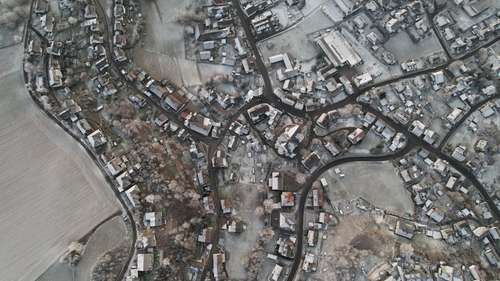
The UN Humanitarian Chief has passionately stated that it's a matter of global solidarity, urging the UN Security Council to intervene decisively. In his words, the current conflict is one of the worst imaginable humanitarian crises. It’s hard not to feel concerned when satellite images reveal widespread destruction and displacement across Darfur.
Many of us recall past conflicts where global intervention made a significant difference, and we naturally ask: if it worked before, why not now? The international response is critical because the situation in Sudan is not just another diplomatic spat—it’s a humanitarian emergency that calls for collective responsibility, echoing the need for global action.
Emergency relief efforts must target immediate needs such as food, shelter, and medical care. Meanwhile, diplomatic channels should be activated to negotiate a ceasefire, ensuring that humanitarian aid can reach those in desperate need without further hindrance.
The Ground Realities in Darfur
Understanding the situation on the ground is crucial to appreciate why global intervention is so necessary. Over the past months, civilians in Darfur have witnessed a terrifying escalation in violence. The use of satellite imagery has not only documented the extent of the damage but has also underscored the urgent need for international relief.
Families are fleeing their homes in search of safety, often leaving behind everything they’ve ever known. The crisis in Darfur is deeply human—indeed, the stories of loss and survival remind us that behind every headline is a life hanging in the balance. It’s like watching a slow-motion car crash: you know disaster is imminent, yet you can hardly look away. The images of destruction and despair serve as a wake-up call to the global community.
Overcrowded camps, shortages of essential resources, and growing insecurity are just a few of the challenges on the ground. The local humanitarian aid networks are overwhelmed, and without global support, the situation could deteriorate further. When we think of humanitarian aid, it often takes on the role of a lifeboat—fashioned to rescue those drowning in a sea of crisis.
It’s important to remember that every displaced person, every shattered home tells a story of human loss and tragedy. The impact of the Sudan crisis extends beyond borders, reminding us of our shared responsibility to act in times of need.
A Plea for International Intervention
This section outlines the urgent call by the UN Humanitarian Chief for international intervention to stop the bloodshed and provide much-needed relief to the affected populations.
The UN Humanitarian Chief’s appeal is not merely a call for more funds; it’s a plea for a coordinated international response to save lives and restore community stability. With emergency relief efforts stretched to their limit, what more can international partners do? By anchoring efforts to proven models of intervention, the global community has the opportunity to make a lasting difference.
Such intervention would not only involve direct humanitarian aid but also diplomatic maneuvers aimed at stabilizing the region. It is about creating a secure corridor for essential resources and medical teams to operate without the constant threat of violence. Imagine organizing a community rally where everyone contributes in their own small way—here, global solidarity must come together like a finely tuned orchestra, each nation playing its part in the larger humanitarian symphony.
The international appeal is clear: We need action now to prevent further suffering. The stakes are high, and any delay could result in irreversible harm to the lives of countless people. This call for intervention is as much about saving lives today as it is about ensuring a better tomorrow for Sudan.
Challenges and Perspectives
Here, we look at the various obstacles to delivering humanitarian aid in the midst of an active conflict and the challenges of mobilizing global support. The path to effective relief is laden with practical and political hurdles.
One of the major challenges is ensuring access for humanitarian aid in a region wracked by unrest and violence. Routes that were once reliable for transporting food and medicine now echo with uncertainty. This means that not only does immediate crisis response need to be aggressive, but long-term planning is also essential.
Another point of difficulty is achieving consensus within international bodies such as the UN Security Council. Differences in national interests and geopolitical alignments often slow down the process of decision-making, leaving vulnerable populations without timely support. It’s like trying to agree on a group dinner menu when everyone has vastly different tastes.
The local authorities are also grappling with limited resources, while misinformation and mistrust among communities add another layer of complexity. Yet, in this maze of challenges, examples of bravery and resilience shine through, reminding us that with enough global support, these obstacles can be overcome.
Every challenge faced is an opportunity to rally together. It underscores the importance of global solidarity, combining international efforts with local insight to create solutions tailored to the ground realities of the Sudan crisis.
Moving Forward
In this concluding section, we reflect on the necessary steps that the global community must adopt to ensure a sustained effort in addressing the crisis in Sudan. The way forward requires both immediate action and long-term strategies.
The UN Humanitarian Chief’s call for global action is a stark reminder that in times of crisis, no one can stand alone. Emergency relief, targeted humanitarian aid programs, and preventive measures are all crucial components of the solution. International intervention should not be a temporary fix but a bridge towards lasting peace and recovery.
Global support often feels like a patchwork quilt, each contribution crucial to the overall fabric of relief. The humanitarian aid provided today lays the groundwork for rebuilding communities and restoring hope. From increasing funding for direct relief to supporting peacekeeping initiatives, every action counts towards mending the fabric of a shattered society.
You might wonder what individual citizens can do in such a vast crisis. The answer is simple: spread awareness, support trusted humanitarian organizations, and keep the plight of those affected in your thoughts. Don’t underestimate the power of global solidarity; the collective effort of communities around the world can trigger change even in the darkest times.
In summary, the current Sudan crisis demands not just an international response, but a unified global stance that goes beyond mere words. As we stand on the precipice of further devastation, the UN Humanitarian Chief’s call to action is a clarion call for us all to be a part of the solution. The world has the capacity to act, and time is of the essence!