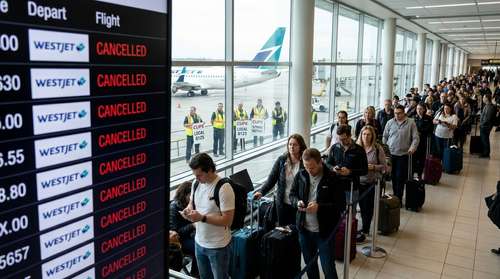
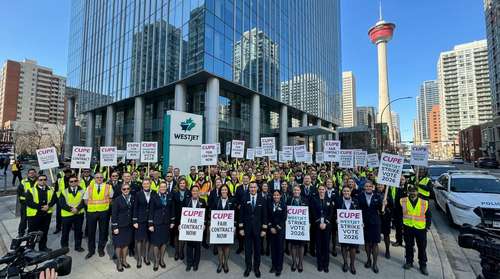
The busy summer travel season is facing a significant turbulence threat. On Tuesday, July 14, 2026, approximately 4,400 WestJet mainline flight attendants took to the streets for a massive demonstration, elevating tensions between the airline and its cabin crew. As the historic WestJet strike vote 2026 draws to a highly anticipated close on July 15, travelers across the country are closely monitoring the situation. With both sides locked in tense, federally conciliated negotiations, thousands of vacationers are left wondering whether their peak season flights are in jeopardy. The airline, which serves as a critical infrastructure pillar for Western Canada and beyond, has maintained its normal summer schedule during the voting process, but the anxiety among ticket holders is palpable.
The union representing the airline's frontline workers, the Canadian Union of Public Employees (CUPE) Local 8125, organized this high-profile event to rally support and send a clear message to management. A strong strike mandate does not guarantee an immediate walkout, but it serves as the ultimate leverage at the bargaining table. If the union authorizes a work stoppage and a negotiated settlement isn't reached, an official lockout or strike could legally commence within weeks, derailing the itineraries of thousands of passengers. The stakes for both the corporate executives and the workers have never been higher.
The Core Grievances Driving the CUPE 8125 Calgary Protest
At the heart of the CUPE 8125 Calgary protest is a fundamental dispute over how cabin crews are compensated for their time. Currently, WestJet flight attendants argue that they perform an average of 35 hours of unpaid work every single month. Much of this unpaid labor occurs on the ground—during boarding, deplaning, and pre-flight security checks—before the aircraft doors actually close. In an era where the cost of living continues to climb, union members maintain that performing required safety duties without compensation is no longer acceptable. Starting wages and scheduling practices have also been cited as major friction points during the negotiations.
Management, however, pushes back strongly against these assertions. WestJet Group CEO Alexis von Hoensbroech recently characterized the union's claim of 35 unpaid hours as "a wrong characterization" of the airline's pay structure. The airline maintains that its compensation model is competitive, aligned with standard industry practices, and reflects the current economic environment. WestJet officially stated that it remains focused on reaching an agreement that recognizes the professionalism of its cabin personnel while ensuring the business remains sustainable. Despite these reassurances from the corporate office, frustration among the ranks has continued to boil over, making the prospect of a WestJet flight attendants strike a very real possibility if a fair collective agreement is not finalized.
Will WestJet Strike in August? Key Dates to Watch
For anxious passengers tracking their itineraries, the most pressing question is simply: will WestJet strike in August? The current strike authorization vote runs from July 8 until July 15, 2026. Once the ballots are tallied, a "yes" vote gives the union the legal authority to call for a work stoppage. However, under Canadian labor laws, an immediate walkout is not permitted.
Federal conciliation and mandatory cooling-off periods dictate a strict timeline. Even if the negotiations completely collapse, the absolute earliest date a legal strike or employer lockout could take place is August 2, 2026. Both the union and the airline must also provide a minimum of 72 hours' advance notice before initiating any job action. For travelers with late July flights, your itineraries are currently secure. It is the early August departure window that now sits squarely in the crosshairs of this labor dispute.
Navigating Canada Summer Travel Warnings
The aviation industry is already stretched thin during the peak holiday season. Widespread WestJet summer flight disruptions would send shockwaves through Canadian airports, particularly at major hubs like Calgary, Vancouver, and Toronto. Recognizing the looming threat, several consumer advocacy groups are beginning to issue preliminary Canada summer travel warnings. Passengers booked for the first two weeks of August are strongly encouraged to monitor their flight status closely, ensure their contact details are updated in the airline's app, and consider purchasing comprehensive travel insurance that covers labor disputes.
Inside the WestJet Cabin Crew Day of Action
The WestJet cabin crew day of action on July 14, 2026, is designed to be a highly visible display of union solidarity. Held at 11:30 a.m. MST near the WestJet Campus on Aerial Place NE in Calgary, the informational picket aims to draw public attention to the reality of the crew's daily working conditions. Members of the media and the local community were invited to witness the demonstration firsthand. Alia Hussain, President of CUPE 8125, stressed that while the ultimate goal remains a fair, negotiated agreement at the bargaining table, the union members are completely unified in their demand for meaningful improvements to wages, scheduling, and overall work-life balance. The visuals of hundreds of off-duty crew members marching underscore the gravity of the situation.
How Travelers Should Prepare
While the headlines might sound alarming, industry experts advise against panic-canceling your August vacations. A strike mandate is fundamentally a negotiating tool used to apply pressure, and both WestJet and CUPE have explicitly stated they prefer to reach a settlement without disrupting passengers' lives. The federal conciliation process is specifically designed to bridge these wide gaps before operations are forced to a halt.
However, smart travelers should always prepare for the unexpected. Verify your ticket's fare rules regarding voluntary changes, keep an eye on official announcements from both the airline and the union after the July 15 vote concludes, and have a flexible backup plan ready just in case negotiations stall. Being proactive now could save you massive headaches if the bargaining table talks eventually break down.