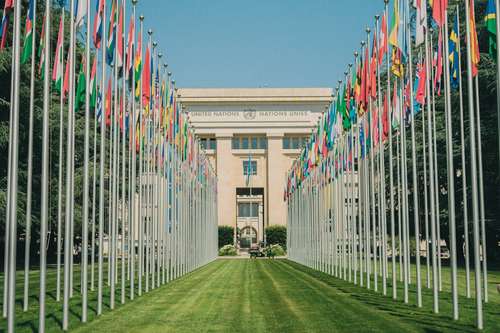
GENEVA — In a pivotal move defining his second term's foreign policy, President Donald Trump has dispatched top negotiators Jared Kushner and Steve Witkoff to Geneva for a critical second round of nuclear talks with Iranian officials. The high-stakes summit, which began Tuesday morning, aims to forge a lasting agreement following the volatile "12-Day War" of June 2025, which saw U.S. and Israeli forces strike key Iranian nuclear infrastructure.
Diplomacy Under the Shadow of Carriers
The U.S. delegation, led by the President's son-in-law Jared Kushner and Special Envoy to the Middle East Steve Witkoff, arrived in Switzerland amidst soaring tensions. While the talks are officially described as "indirect"—with Omani diplomats shuttling between the parties—the presence of Trump's closest confidants signals a serious push for a breakthrough. Iranian Foreign Minister Abbas Araghchi heads the counterpart delegation, tasked with navigating Tehran's precarious position after last year's military escalation.
Speaking from Air Force One en route to a domestic engagement, President Trump confirmed his close supervision of the proceedings. "I’ll be involved in those talks, indirectly. And they’ll be very important," Trump told reporters Monday. "I don't think they want the consequences of not making a deal." His comments come as the Pentagon confirmed the deployment of a second aircraft carrier strike group, the USS Gerald R. Ford, to the region to join the USS Abraham Lincoln, reinforcing American leverage at the negotiating table.
The Ghost of the '12-Day War'
The urgency of the Geneva peace summit is underscored by the violent precedent set just eight months ago. In June 2025, following the collapse of previous diplomatic efforts, the U.S. launched "Operation Midnight Hammer," a targeted bombing campaign utilizing B-2 stealth bombers to disable Iranian nuclear facilities at Fordow and Natanz. The strikes, which Trump referenced explicitly this week, fundamentally altered the strategic landscape.
"We could have had a deal instead of sending the B-2s in to knock out their nuclear potential. And we had to send the B-2s," Trump remarked, framing the current negotiations as Iran's final off-ramp to avoid regime-threatening devastation. Analysts suggest that Jared Kushner's Geneva 2026 mission is to capitalize on this military pressure to extract concessions that were previously impossible, specifically a total ban on uranium enrichment on Iranian soil.
Tehran's Economic Gambit
Facing crippling sanctions and the threat of renewed conflict, Tehran is reportedly attempting to appeal to President Trump's business instincts. Sources close to the negotiations indicate that Iranian diplomats are floating a "trillion-dollar" investment package, offering U.S. firms exclusive access to Iran's energy and mining sectors if sanctions are lifted. This economic pitch aims to bypass traditional diplomatic deadlock by framing the Iran nuclear deal 2026 as a lucrative business opportunity for American industry.
Hardliners and Red Lines
Despite the economic enticements, significant hurdles remain. The U.S. demands are extensive: the complete dismantling of remaining nuclear infrastructure, a halt to ballistic missile development, and the cessation of support for regional proxy groups. Conversely, Iran has drawn its own red lines, demanding the unfreezing of tens of billions of dollars in assets held abroad before any substantive nuclear concessions are made.
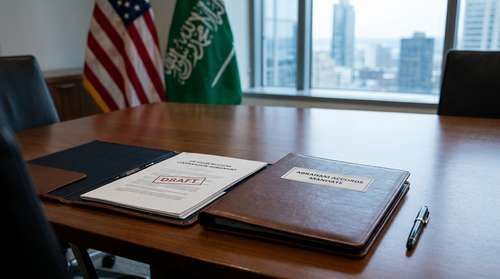
Steve Witkoff's diplomacy will be tested as he navigates these entrenched positions. Known for his tough negotiating style in the real estate world, Witkoff's pairing with Kushner—architect of the Abraham Accords—suggests the administration is looking for a comprehensive regional realignment rather than a narrow nuclear pact. "This isn't just about centrifuges anymore," said a senior State Department official. "It's about the future architecture of the Middle East."
What Comes Next?
As US-Iran nuclear negotiations continue behind closed doors in Geneva, the world watches with bated breath. The outcome will likely determine whether the region heads toward a historic détente or slides back into open conflict. With the USS Ford steaming toward the Persian Gulf and negotiators locked in hotel suites in Switzerland, the next 48 hours could define the geopolitical trajectory of the coming decade.