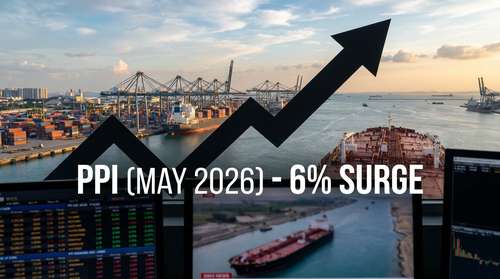
The latest US Producer Price Index report released on May 13 reveals a jarring economic reality: wholesale inflation has spiked to 6% year-over-year in April. This sudden acceleration marks the steepest increase since late 2022. The Wholesale inflation PPI May 2026 data reflects the mounting pressures from an escalating global energy crisis, driven directly by the severe disruption of shipping lanes in the Middle East. With fuel and freight expenses skyrocketing, American consumers and major corporations alike are bracing for a prolonged period of elevated costs.
The Strait of Hormuz Oil Supply Shock
The root cause of this alarming inflationary spike is undeniably geopolitical. A tense, 10-week conflict involving Iran has culminated in a near-total blockade of a vital maritime chokepoint, triggering the most significant global oil market disruption in modern history. Analysts are calling the Strait of Hormuz oil supply shock unprecedented, with more than 14 million barrels of daily crude production effectively shut in.
According to the latest industry assessments, global oil supply plummeted by millions of barrels in recent weeks, leaving markets deeply undersupplied. As vessels avoid the volatile region, the commercial shipping industry is scrambling to adapt. Many maritime operators are suddenly prioritizing supply security over baseline costs, pivoting toward alternative energy sources like liquified natural gas (LNG). However, this transition offers little immediate relief for the current bottleneck. As extended transit times compound with fuel scarcity, transportation costs are actively bleeding into nearly every consumer good.
Energy Price Surge 2026 Pushes Core Costs Higher
Digging into the Bureau of Labor Statistics data, the raw numbers are staggering. The energy price surge 2026 propelled the overall energy index up by 7.8% from March to April alone. Compared to this time last year, wholesale energy costs are up a massive 22.7%. The immediate breakdown of the April pricing data highlights several critical pressure points:
- Headline PPI: Rose 1.4% month-over-month, far exceeding analyst expectations of a 0.5% advance.
- Fuel Costs: Gasoline surged 15.6%, while diesel—the backbone of commercial shipping—jumped 12.6%.
- Core Inflation: Excluding volatile food and energy sectors, core producer prices climbed 1% month-over-month.
Transportation and Services Squeeze
The pain is not isolated strictly to the fuel pumps. Final demand services saw a substantial 1.2% monthly increase, marking the sharpest jump in over four years. Specifically, margins for machinery and equipment wholesaling surged by 3.5%, while truck transportation of freight spiked a staggering 8.1%. This dynamic clearly signals that the Middle East war economic impact is seeping deeply into the broader supply chain. When shipping costs double and raw materials become scarce, manufacturers are forced to absorb the losses or push the burden down the line.
Walmart Price Hikes Inflation and Retail Fallout
The mounting wholesale costs are creating severe headwinds for massive retailers and manufacturers, leading to immediate consumer-facing consequences. Walmart price hikes inflation discussions have dominated recent retail strategy forecasts. The retail giant, famous for its aggressive cost controls and "everyday low prices," now faces immense pressure to lift consumer prices simply to offset soaring freight and operational expenses.
The durable goods sector is bearing similar scars. Whirlpool recently reported a near 10% drop in revenue during its most recent quarter, citing a "recession-level industry decline" fueled by the ongoing geopolitical turmoil. To counter the squeezed margins, the appliance maker rolled out a massive 10% price increase in April—its largest single hike in a decade—and signaled that another 4% bump is slated for July. When companies of this immense scale drastically adjust their pricing models, it sets a troubling precedent for the entire retail landscape.
The Fed Interest Rate Decision 2026: Delayed Relief?
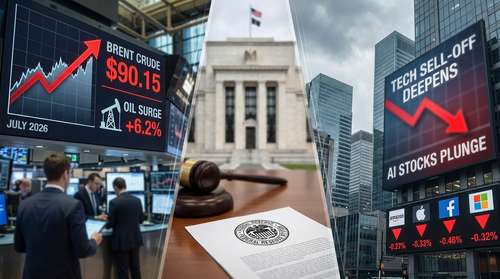
For American households, the timing of this inflation resurgence could not be worse. The sudden 6% wholesale inflation jump completely upends the central bank's timeline for economic relief. Heading into the year, markets widely anticipated a dovish pivot, but the Fed interest rate decision 2026 will now have to factor in structurally higher energy costs and a resilient core inflation rate.
Top financial institutions have already delayed their expectations for a Federal Reserve rate cut until at least December 2026. The persistence of the Middle East conflict ensures that energy markets will remain extraordinarily tight, keeping headline inflation uncomfortably hot throughout the upcoming summer months. Policymakers are now caught in a devastating bind: lowering interest rates to stimulate a softening manufacturing sector could exacerbate the very inflation they are trying to crush.
As Americans continue to grapple with a crippling cost of living, economic affordability is rapidly becoming the defining issue of the November midterm elections. For now, the economic pipeline points to one unavoidable conclusion: the era of elevated prices is firmly entrenched, and the shockwaves of the Hormuz blockade are just beginning to reach the American checkout counter.