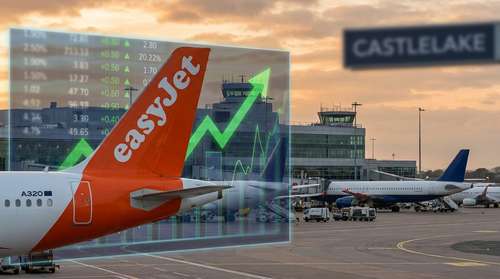
The European airline sector woke up to a seismic shift on Monday, June 1, 2026. An anticipated easyJet takeover bid is now taking form, sending shockwaves through the market and forcing the carrier's leadership onto the defensive. Shares in the British airline surged by more than 10% following confirmation that Castlelake, a U.S.-based alternative investment firm, is weighing a buyout worth at least £3 billion. EasyJet’s board swiftly pushed back against the overture, branding the timing "highly opportunistic". With the airline battling a depressed market valuation brought on by rising jet fuel costs and geopolitical tensions in the Middle East, the unfolding drama highlights a fierce battle for control over one of Europe's most recognized flight networks.
The Castlelake easyJet Acquisition Strategy
The prospect of a Castlelake easyJet acquisition became a concrete threat on Friday when the Minneapolis-headquartered firm confirmed it was exploring a potential offer. By Monday morning, Castlelake escalated the pressure by disclosing it had already quietly amassed a 2.14% stake in the Luton-based carrier. This footprint of approximately 16.2 million shares provides the U.S. firm a formidable baseline before formal negotiations have even begun.
Castlelake is far from a novice in aviation finance. Managing $36 billion in assets, the firm has built a deep portfolio of airline industry investments. It previously secured a 32% stake in SAS Scandinavian Airlines through a 2023 consortium and financed a $400 million loan for Virgin Atlantic in early 2025. Despite this pedigree, easyJet's leadership remains distinctly unimpressed.
In a terse regulatory statement released Monday, easyJet noted that it has not received a formal proposal or engaged in direct discussions with Castlelake. The board criticized the approach, arguing that the airline's current share price fails to reflect its underlying strength and long-term viability.
Decoding the easyJet Stock Price Surge
Following the weekend revelations, the market reacted violently. An intense easyJet stock price surge saw shares jump as much as 13% in early London trading, hitting a three-month high of 449.9 pence. The stock eventually settled to trade around 6.5% to 10% higher by mid-afternoon, valuing the company at roughly £3.4 billion ($4.59 billion).
Prior to this rally, easyJet investors had endured a punishing year. The airline's shares had tumbled by more than 20% since January 2026. A headline loss of £552 million for the first half of the 2026 financial year, combined with softened summer bookings linked to the ongoing conflict in Iran, severely battered investor confidence. Short sellers had aggressively targeted the stock, building positions equivalent to 5.5% of outstanding shares—the second-highest short interest among European airlines, trailing only Wizz Air.
Because Castlelake acquired shares just prior to announcing its interest, UK takeover rules dictate a strict floor for any upcoming bid. The American firm cannot offer less than 403 pence per share, though analysts expect any successful bid will require a significant premium over that baseline given the hostile reception from easyJet's boardroom.
Preparing a Defensive Formation
To counter the threat, easyJet has drafted heavy-hitting financial firepower. The airline tapped veteran UK bankers Simon Robey and Simon Warshaw from Evercore to craft a defense strategy, working alongside corporate brokers BNP Paribas and Panmure Liberum. The board is actively reinforcing its message to shareholders, pointing to an investment-grade balance sheet, a solid net cash position, and a medium-term target of generating over £1 billion in pre-tax profit.
European Budget Airlines News and Mergers
This buyout attempt currently dominates European budget airlines news, but it is hardly the first time easyJet has found itself in the crosshairs. The carrier represents a prized, yet notoriously difficult, target in the ongoing wave of low cost carrier mergers. A 2021 unsolicited approach from rival Wizz Air was summarily rejected by the board. Later rumors involving logistics giant MSC also failed to materialize into a firm offer.
Taking over easyJet requires navigating a labyrinth of unique obstacles. Founder Stelios Haji-Ioannou and his family retain a roughly 15% stake in the business. Furthermore, Haji-Ioannou controls the easyJet brand name, drawing a 0.25% revenue royalty that complicates the financials of any full buyout.
Beyond shareholder resistance, strict regulatory walls protect the European skies. Post-Brexit EU aviation rules require airlines holding European operating certificates to be majority-owned by European nationals. A full takeover by an American private credit firm like Castlelake would face massive regulatory scrutiny and require complex structural workarounds to avoid stripping easyJet of its European flying rights.
Aviation Market Trends 2026: The Ticking Clock
Reflecting broader aviation market trends 2026, private equity and alternative asset managers are increasingly hunting for bargains among publicly traded airlines weighed down by geopolitical volatility. However, Castlelake cannot afford to linger on the runway.
Under the UK City Code on Takeovers and Mergers, the clock is strictly enforced. Castlelake has until 5:00 PM on June 26, 2026, to "put up or shut up"—meaning it must either announce a firm intention to make an offer or formally withdraw its interest for the next six months.
Whether this maneuver results in a transformative £3 billion acquisition or ends as another failed attempt to capture Europe’s second-largest budget airline remains to be seen. For now, easyJet finds itself in a familiar position: fighting off predators while trying to convince the market that its standalone flight path is the most lucrative route forward.