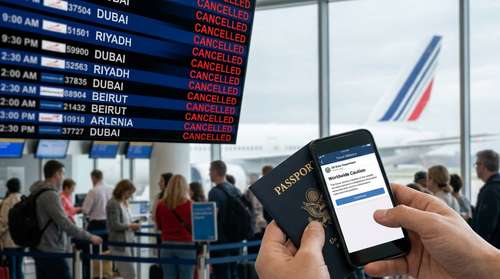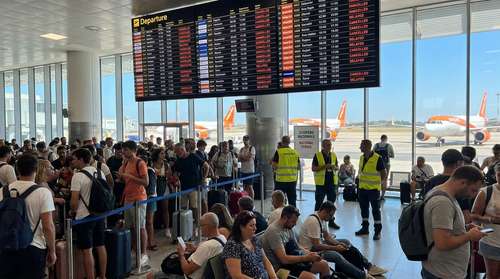
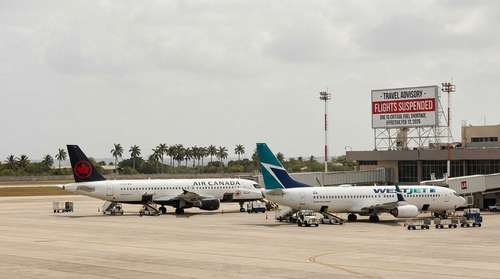
A rapidly escalating energy crisis in Cuba has left thousands of international tourists stranded and forced major governments to issue urgent travel warnings. As of Thursday, February 12, 2026, Canada, the United Kingdom, and Australia have upgraded their safety advice, urging citizens to avoid all non-essential travel to the island. The drastic move comes as the country's aviation fuel supply has effectively run dry, prompting Air Canada, WestJet, and Air Transat to abruptly suspend commercial operations.
Major Airlines Halt Service and Launch Rescue Flights
The situation reached a breaking point earlier this week when Cuban authorities issued a Notice to Aviation (NOTAM) warning that aviation fuel would be commercially unavailable at the island's airports as of February 10. In response, North American carriers moved quickly to protect their fleets and passengers.
Air Canada officially suspended all flights to Cuba effective February 9, citing the "unreliability of the aviation fuel supply." The flag carrier is currently operating empty ferry flights southbound to repatriate approximately 3,000 customers stranded in destinations like Varadero and Cayo Coco. These rescue aircraft are tankering in enough fuel from Canada to make the return journey without refueling on the ground.
Similarly, the WestJet Group—which includes Sunwing Vacations—has initiated an "orderly wind-down" of its winter operations. The airline has cancelled sales for all Cuban destinations and is focusing entirely on bringing guests home. Air Transat has also joined the exodus, suspending services until at least April 30, 2026. Travelers with upcoming bookings are being offered full refunds or options to switch to other Caribbean destinations.
Governments Issue 'Avoid All Travel' Warnings
Western governments have responded to the logistical collapse with their highest levels of travel discouragement short of a total ban. On Wednesday evening, Global Affairs Canada upgraded its advisory to Level 3, stating, "Avoid non-essential travel to Cuba due to worsening shortages of fuel, electricity, and basic necessities."
The UK Foreign, Commonwealth & Development Office (FCDO) followed suit, warning British nationals that "flight schedules are being disrupted due to aviation fuel shortages, with some airlines reviewing routes or temporarily cancelling services which risk visitors being unable to leave the country."
What This Means for Travelers
- If you are currently in Cuba: Contact your airline or tour operator immediately. Do not travel to the airport unless you have a confirmed seat on a repatriation flight.
- If you have a future booking: Your flight is likely cancelled. Airlines are processing refunds and rebookings, but volume is high. Travel insurance policies may trigger under the "trip cancellation" or "interruption" clauses due to the official government advisory upgrades.
- Emergency Contacts: Canadians requiring emergency consular assistance should contact the Embassy of Canada in Havana or the Emergency Watch and Response Centre in Ottawa.
Roots of the Crisis: Grid Collapse and Sanctions
The flight suspensions are the most visible symptom of a devastating energy crisis that has paralyzed Cuba for months. The island is currently generating less than 50% of its required electricity, leading to nationwide blackouts lasting up to 20 hours a day. This energy deficit has crippled water pumping stations, refrigeration for food, and telecommunications networks.
Experts point to a "toxic combination" of factors driving this collapse. Aging thermoelectric power plants, most over 30 years old, are failing frequently due to lack of maintenance parts. Simultaneously, fuel imports have plummeted. Historically dependent on subsidized oil from Venezuela, Cuba has seen these shipments dry up as its ally faces its own economic struggles. Furthermore, tightened sanctions and a "fuel blockade" enforced by the U.S. administration have severely restricted the island's ability to purchase oil on the open market.
Tourism Industry Faces Uncertain Future
The suspension of flights from Canada—historically Cuba's largest source of tourists—deals a catastrophic blow to the island's economy. Tourism is a vital lifeline for hard currency, which the government needs to import food and fuel. With the peak winter season effectively cancelled and flights tentatively scheduled to resume only in late April or May, the economic fallout for local Cubans working in the hospitality sector will be severe.
While resort areas like Cayo Coco and Varadero have typically been shielded from the worst of the shortages, the current crisis has breached those protective bubbles. Reports from returning travelers describe power outages affecting hotels, limited food buffets, and shortages of bottled water. For now, the "Pearl of the Antilles" remains accessible only to those willing to risk being stranded, a gamble that few are willing to take in 2026.