MINNEAPOLIS — The Department of Homeland Security (DHS) has launched a massive federal law enforcement operation in the Twin Cities, deploying roughly 2,000 agents to the region in what officials are calling a decisive move to combat rampant fraud and enforce immigration laws. The surge, which began early this week, represents one of the largest concentrations of federal agents in an American city in recent history and marks the first major offensive of the administration’s 2026 immigration crackdown.
Massive Deployment Targeting Fraud and Immigration
The operation involves a coordinated effort between Immigration and Customs Enforcement (ICE), its Enforcement and Removal Operations (ERO) branch, and Homeland Security Investigations (HSI). According to senior law enforcement officials, the 30-day surge is designed to address two converging crises: a widening investigation into alleged misuse of federal funds and an intensified directive to detain and deport undocumented individuals with criminal records.
“This is a multi-faceted operation to restore order and accountability,” said DHS Assistant Secretary Tricia McLaughlin in a statement. While declining to provide specific operational footprints for officer safety, McLaughlin confirmed that federal forces have already executed over 1,000 arrests nationwide as part of broader enforcement surges, targeting “murderers, rapists, pedophiles, and gang members.” In Minneapolis, however, the focus is uniquely dual-pronged, aiming to dismantle complex financial crimes while simultaneously executing high-visibility immigration enforcement.
The Shadow of the 'Feeding Our Future' Scandal
The arrival of HSI agents underscores the federal government’s deepening focus on Minnesota’s fraud landscape. The deployment comes in the wake of the sprawling “Feeding Our Future” scandal, a $250 million pandemic-era fraud scheme that has already resulted in dozens of convictions, including that of ringleader Aimee Bock. Federal prosecutors allege that the state has become a hub for exploiting social safety net programs, a narrative that has drawn intense scrutiny from Washington.
Tensions reached a boiling point last month following viral allegations regarding Somali-run day care centers. While state inspections later found many of the targeted facilities to be operating compliantly, the political firestorm prompted federal intervention. HSI agents are now tasked with auditing dozens of businesses suspected of inflating attendance records to siphon federal child care subsidies. “We are following the money,” a federal source familiar with the operation stated. “The scale of the alleged theft in the Twin Cities requires a federal response that state resources simply cannot match.”
Political Fallout and Local Response
The surge has triggered a seismic shift in Minnesota’s political arena. Amid the escalating scrutiny and mounting pressure over the state’s handling of fraud allegations, reports indicate Governor Tim Walz has faced significant political headwinds, with some sources suggesting the crisis could impact his future political ambitions. Meanwhile, Minneapolis Mayor Jacob Frey has found himself navigating a delicate path, acknowledging the presence of federal agents while attempting to calm a community on edge.
Immigration Crackdown Intensifies with 'Operation Metro Surge'
Beyond financial crimes, the deployment features a heavy component of ICE’s deportation branch. To lead the enforcement arm of the operation, the administration has tapped U.S. Customs and Border Protection Commander Gregory Bovino. Bovino, known for his aggressive tactical approach in previous operations in cities like Los Angeles and Chicago, brings a reputation that has already sparked anxiety among local immigrant advocacy groups.
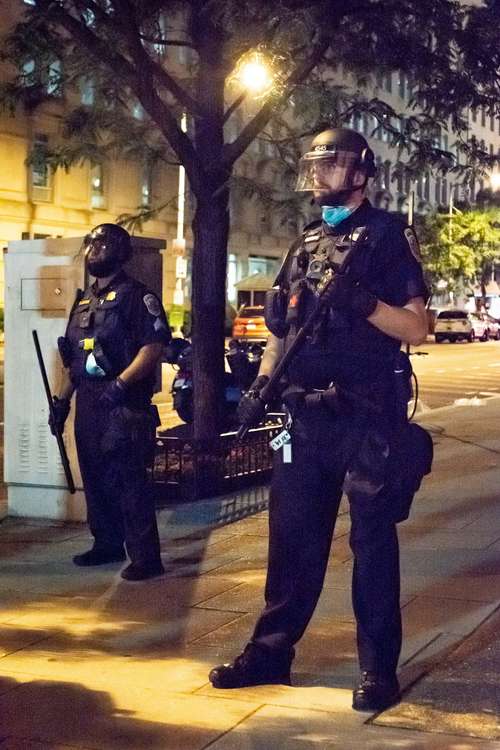
The operation, dubbed by some insiders as “Operation Metro Surge,” has reportedly mobilized tactical units, including Special Response Teams, to execute arrest warrants across Minneapolis and St. Paul. Community leaders describe a palpable sense of fear in neighborhoods like Cedar-Riverside, home to the nation’s largest Somali-American community. “People are terrified to leave their homes,” said a local community organizer. “This feels less like an investigation and more like an occupation.”
What Comes Next?
As the 30-day operation unfolds, the Twin Cities remain the epicenter of a national debate on federal overreach, fraud accountability, and immigration policy. With 2,000 agents on the ground, the coming weeks are expected to yield a significant number of indictments and deportations. For the federal administration, Minneapolis serves as a testing ground for a broader national strategy; for the residents of the Twin Cities, it is a month of uncertainty under the watch of federal law enforcement.