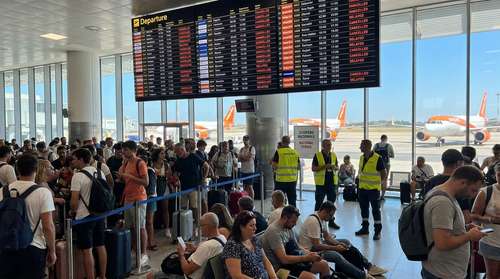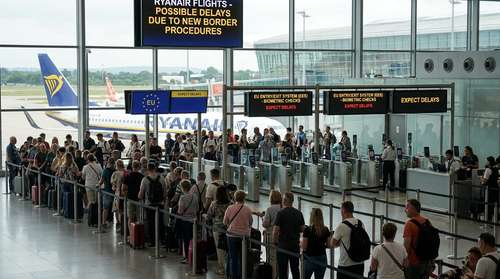
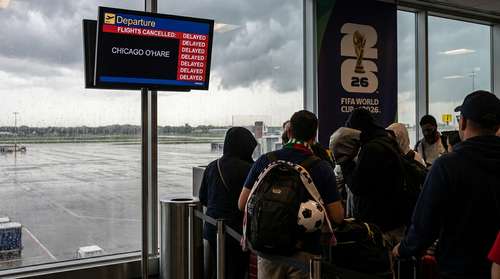
A sprawling system of severe thunderstorms and destructive winds is battering the U.S. Midwest, leaving hundreds of thousands without power and triggering widespread flight cancellations today. Just as thousands of international soccer fans finalize their World Cup 2026 travel plans for the tournament's highly anticipated kickoff, a volatile weather front has brought transit to a grinding halt. With multiple tornado warnings stretching from Kansas to Illinois, the extreme conditions have forced major airport ground stops at some of the nation's busiest transit hubs, creating a logistical nightmare for domestic and international travelers alike.
Midwest storms June 2026: Power Outages and Tornado Threats
The intense low-pressure system has unleashed a barrage of extreme weather across the Great Lakes region. Forecast discussions and real-time radar imagery indicate a highly volatile atmosphere stretching from eastern Iowa across northern Illinois and into western Michigan. The National Weather Service quickly issued severe thunderstorm and tornado watches covering large swaths of the Midwest, warning of localized torrential rainfall and flash flooding.
Wind gusts exceeding 60 mph have ripped through residential areas, downing mature trees and ripping utility wires from their poles. Currently, roughly 450,000 ComEd customers in Illinois alone have been plunged into darkness, grappling with power outages during an uncomfortable stretch of high heat and humidity that is concurrently baking the East Coast. Tragically, the extreme conditions have already turned fatal. Authorities in Des Moines, Iowa, confirmed a 54-year-old man died after a massive tree broke apart during the high winds and collapsed onto a local park encampment. Emergency crews are working around the clock to clear debris, but utility officials warn it could be days before the electrical grid is fully restored for all affected communities.
Chicago O'Hare Delays and Cascading Airport Ground Stops
The aviation impact of this storm corridor has been immediate, severe, and far-reaching. The Federal Aviation Administration (FAA) was forced to implement consecutive airport ground stops at both Chicago Midway and O'Hare International Airports as severe storm cells moved directly over the metropolitan area. A similar temporary hold was even issued at John F. Kennedy International Airport in New York as the massive system pushed eastward.
Airlines have reported more than 1,400 disrupted flights nationwide within a 24-hour window. Chicago O'Hare delays account for a massive chunk of these disruptions, as the airport struggles to manage congested airspace while simultaneously recovering from a string of accumulated positioning delays from previous weather events earlier in the week. The cascading effect of these severe weather flight delays is being felt from coast to coast. Aircraft and flight crews are left entirely out of position just as the peak summer travel season begins, severely hampering the recovery process once the skies finally clear.
World Cup 2026 Travel in Jeopardy
This widespread aviation gridlock comes at the worst conceivable moment for the global sports community. The expanded 2026 FIFA World Cup, featuring 48 teams and spanning three host countries, has officially begun. North America is currently absorbing an unprecedented influx of global tourists heading to matches across the continent.
Chicago sits at the very heart of the national air network. When a bottleneck chokes O'Hare, it instantly disrupts connecting flights bound for major host cities like Los Angeles, Houston, Atlanta, and New York. Fans who spent thousands of dollars securing match tickets and accommodations are now sleeping on terminal floors, anxiously refreshing departure screens to see if they will make it to the stadiums in time for the opening group stage matches. The sheer volume of travelers moving through the system leaves rebooking agents with very few empty seats to offer stranded passengers.
Navigating the Chaos: United Airlines Travel Waivers and Rebooking
If you are scheduled to fly through the Great Lakes region this week, expect significant friction at the airport. To mitigate the ongoing crisis and reduce security line congestion, major carriers are preemptively offering flexibility to passengers. United Airlines travel waivers have been activated for passengers flying through Chicago and surrounding Midwest hubs, allowing travelers to rebook their flights without incurring exorbitant last-minute change fees or fare differences.
American Airlines and Delta Air Lines have issued similar severe weather directives. They are strongly urging ticket holders to delay their trips if possible, or reroute through southern hubs like Dallas-Fort Worth or Charlotte to avoid the volatile weather corridor entirely. Taking advantage of these waivers before you arrive at the airport can save you from spending the night on a cot near baggage claim.
Before heading to the terminal, check your flight status directly through your carrier's mobile app rather than relying on third-party tracking sites. While the FAA generally lifts ground stops once immediate lightning and wind threats pass, the massive backlog of departed flights takes significantly longer to clear. If you absolutely must travel, avoid checking a bag. Rebooking onto an alternate flight is considerably faster and easier when you are traveling with just a carry-on.
Forecasters predict that the dangerous atmospheric conditions will persist as the frontal boundary slowly pushes toward the East Coast. Travelers are strongly advised to remain vigilant, keep mobile devices fully charged, and monitor real-time weather alerts. Until the weather pattern stabilizes, the collision of historic Midwest storms and the world's biggest sporting event will continue to test the limits of the American aviation system.