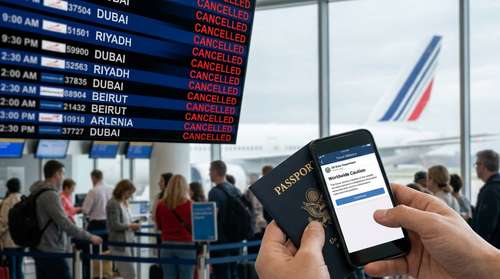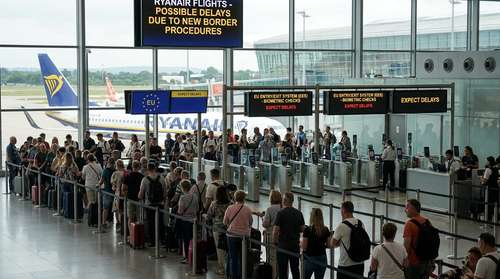
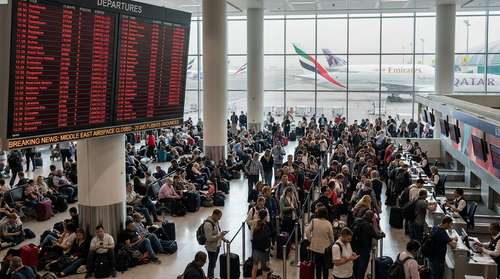
DUBAI — A catastrophic breakdown in global air travel has paralyzed the Middle East’s busiest transit hubs this week, leaving hundreds of thousands of passengers stranded and cutting a vital artery of international commerce. Following the escalation of conflict on February 28 involving US and Israeli airstrikes and subsequent Iranian retaliation, airspace across the Gulf has been largely shuttered. As of March 6, 2026, aviation analytics firm Cirium reports that over 23,000 flights have been cancelled across the GCC, wiping out nearly 4.4 million seats from the market in what experts are calling the most severe global aviation disruption March 2026 has witnessed.
Unprecedented Airspace Closures Ground Gulf Giants
The scale of the shutdown is historic. The conflict has forced the closure or severe restriction of airspace over Iran, Iraq, Qatar, Bahrain, and Kuwait. For the ‘super-connector’ airlines that built their business models on linking East and West, the impact has been immediate and devastating. Middle East flight cancellations 2026 have hit the region’s