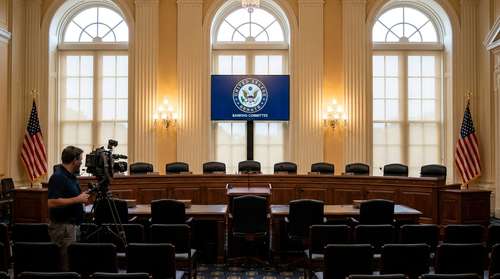

A high-stakes confrontation between Wall Street's most influential banker and the White House is intensifying as JPMorgan Chase CEO Jamie Dimon issues a stark warning regarding President Trump's economic policies. At the center of the storm is the administration's controversial proposal to implement a Trump credit card interest rate cap of 10%, a move Dimon argues could devastate credit access for millions of Americans. The clash comes amid a turbulent week for financial markets, with bank stocks stumbling as earnings season kicks off against a backdrop of political pressure on Federal Reserve Chair Jerome Powell.
The 10% Rate Cap: A "Dramatic" Threat to Credit Access
The latest flashpoint in the relationship between the financial sector and the administration is President Trump's surprise announcement of a temporary 10% cap on credit card interest rates, slated to effectively begin on January 20. The proposal, framed by the White House as a necessary measure to combat "rip-off" pricing and aid consumers struggling with affordability, has sent shockwaves through the banking industry.
During JPMorgan's fourth-quarter earnings call this week, Dimon and CFO Jeremy Barnum did not mince words. Barnum warned that such a cap would have the "exact opposite consequence" of its intended goal. Rather than making borrowing cheaper for everyone, executives argue it would force banks to simply stop lending to lower-income borrowers and those with subprime credit scores, as the 10% rate would not cover the risk of default.
"It would be dramatic on subprime," Dimon told analysts, emphasizing that the policy could shrink the credit box significantly. Industry groups estimate that nearly 80% of current credit card accounts could be negatively impacted, either through closure or severely restricted limits, if the cap were enforced. The news sent shares of major credit card issuers, including JPMorgan, Capital One, and Synchrony Financial, sliding as investors calculated the potential revenue hit.
Defending the Fed: The Fight for Institutional Independence
Beyond consumer lending, a deeper constitutional rift is forming over the independence of the central bank. Reports confirmed this week that the Department of Justice has opened an inquiry regarding Federal Reserve Chair Jerome Powell, a move widely interpreted by Wall Street news 2026 analysts as political leverage to force faster rate cuts.
Dimon, a long-time staunch defender of institutional stability, publicly backed Powell, warning that political interference in monetary policy plays with fire. "Anything that chips away at [Fed independence] is probably not a great idea," Dimon stated, adding that eroding the Fed's credibility would likely "raise inflation expectations and probably increase rates over time."
President Trump dismissed Dimon's concerns, firing back at the CEO during a press gaggle. "Jamie Dimon probably wants higher rates. Maybe he makes more money that way," Trump remarked, reiterating his view that Powell has been too slow to ease monetary policy despite cooling inflation data.
JPMorgan Earnings Beat Expectations Amidst the Noise
While the political drama captured headlines, the actual numbers from the bank earnings report told a story of resilience. JPMorgan reported a strong fourth quarter to close out 2025, delivering adjusted earnings per share of $5.23, which handily beat analyst expectations of $4.86. Revenue climbed 7% year-over-year to $46.8 billion, driven by robust performance in asset management and investment banking.
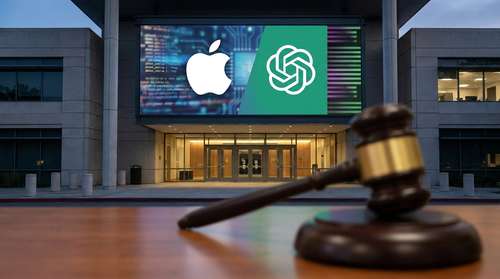
However, the results were complicated by a significant one-time item: a $2.2 billion reserve build tied to the bank's acquisition of the Apple Card portfolio from Goldman Sachs. This strategic move highlights JPMorgan's continued aggression in the consumer space, even as it battles the administration over the regulatory environment for those very products. Dimon noted that while the U.S. economy news remains generally positive, "potential hazards" including geopolitical instability and sticky inflation require constant vigilance.
Economic Fallout and the Midterm Horizon
As the 2026 midterm election cycle heats up, the administration's focus on populist economic measures like the rate cap is expected to intensify. For Jamie Dimon JPMorgan represents not just a bank, but a bellwether for the broader economy. The fear among economists is that price controls on credit, combined with attacks on the Fed, could spook global bond markets and paradoxically drive borrowing costs higher.
For now, the standoff remains unresolved. The administration has signaled it may try to enforce the rate cap through executive action if Congress stalls, setting the stage for potential legal challenges. As Wall Street digests the implications, the message from the nation's largest bank is clear: interfering with market pricing and central bank independence carries a heavy price tag.