The United States is bracing for its most spectacular birthday bash in half a century. As the nation readies for its monumental 250th anniversary on July 4, 2026, the July 4th travel 2026 rush is shattering every record on the books. According to fresh data, an astonishing 72.2 million Americans are hitting the roads and skies to participate in the festivities. Whether you are driving to a local barbecue or flying cross-country to witness the historic celebrations in Washington D.C., you are stepping into a massive logistical event. Between sky-high demand, simultaneous FIFA World Cup matches, and airspace restrictions over major metropolitan areas, holidaymakers must prepare for unprecedented congestion.
America 250 Travel Crowds Flood Historic Hubs
If you are consulting any credible Semiquincentennial travel guide, you already know that East Coast heritage cities are ground zero for this year's festivities. The America 250 travel crowds are descending heavily on Philadelphia, Boston, and New York City, where legacy celebrations have been meticulously planned for years.
Nowhere is the squeeze tighter than in the nation's capital. Washington D.C. is hosting the "Salute to America 250" celebration, an extravaganza promising the launch of 850,000 fireworks shells from 10 different sites. This unprecedented pyrotechnic display has hotels entirely booked out and local transit agencies begging visitors to use the Metro instead of driving. Because these historic hubs are anticipating hundreds of thousands of extra visitors, airspace restrictions will temporarily halt or reroute commercial traffic, leading to inevitable ripple effects across the national grid.
Decoding the AAA Holiday Travel Forecast
Just how massive is this migration? The latest AAA holiday travel forecast paints a staggering picture of domestic movement. Out of the 72.2 million travelers heading 50 miles or more from home, the vast majority—about 61.4 million—are loading up their cars.
Gas prices remain elevated compared to historical norms but are thankfully hovering lower than the painful peaks of 2022, keeping road trips the most economically viable choice for families. However, transportation data experts warn that drivers should treat this as a congestion week first and a celebration week second. If your itinerary requires highway travel on Thursday, July 2, you are driving squarely into the worst bottleneck of the summer. Experts strongly advise shifting your departure to the early morning hours—ideally before 11:00 AM—or delaying the outbound trip until Monday or Tuesday.
While road trips grab the headlines, the fastest-growing sector of the travel economy this week is alternative transportation. Nearly 5 million Americans are opting for trains, buses, and cruise ships. The cruising boom, in particular, has seen a 5% jump since last year, as vacationers lock in upfront costs to avoid the unpredictable pricing of hotels and rental cars, which have spiked 10%.
Navigating US Airport Delays 4th of July Weekend
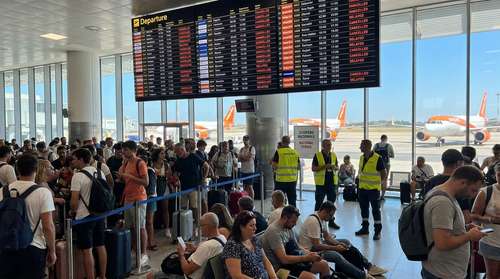
For those bypassing the asphalt, the skies offer little reprieve. Over 5.85 million people have booked 4th of July flights 2026, paying an average of $830 for domestic round-trip tickets. With airplanes flying at maximum capacity, US airport delays 4th of July weekend are practically guaranteed.
Multiple major carriers have proactively issued travel waivers. These waivers allow passengers to rebook flights without penalty, specifically targeting East Coast destinations where heavy traffic and VIP movement will tighten airspace capacity. Airports in host cities like Seattle, Houston, and New York are deploying extra staff, specialized canine units, and upgraded security lanes to handle the simultaneous wave of soccer fans and patriotic tourists. If you have a connection, a longer layover and a solid backup plan for checked bags are vital. Missing a tight transfer this week likely means waiting days, not hours, for an open seat.
Surviving Record TSA Checkpoint Lines
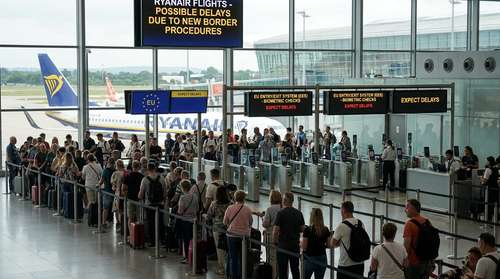
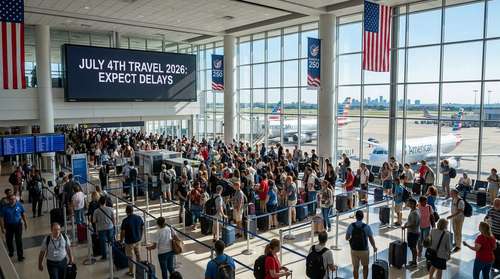
The Transportation Security Administration is bracing for an absolute onslaught. Between June 30 and July 6, agents expect to screen a record 18.7 million passengers. Thursday, July 2, stands out as the single busiest day, with projections exceeding 3 million travelers passing through security checkpoints in just 24 hours.
To avoid getting trapped in paralyzing TSA checkpoint lines, travelers must arrive significantly earlier than the standard two-hour domestic window. Security experts recommend ensuring your REAL ID or passport is readily accessible and utilizing expedited screening services like TSA PreCheck or CLEAR if you have them. Start packing with an empty bag to ensure prohibited items do not accidentally trigger secondary searches, which slow the entire line down.
Expert Advice for Your Independence Day Getaway
Surviving the Semiquincentennial requires strategic planning. Keep these essential tips in mind before locking the front door:
- Download Airline Apps: Keep your carrier's mobile app updated. It is the fastest way to get real-time delay notifications and rebook instantly if a flight gets canceled.
- Embrace Early Departures: Whether driving or flying, beating the afternoon rush is critical. Aim to hit the road before the midday rush or book the first flight out in the morning before storm systems and airspace limits compound delays.
- Track Alternate Routes: For drivers heading into major America 250 zones, keep a paper map or offline GPS route handy. Cell towers in D.C. and Philadelphia may become overloaded during peak fireworks displays.
This Independence Day is a once-in-a-generation milestone. With a little extra patience and proactive planning, you can focus on the historic festivities rather than the gridlock.