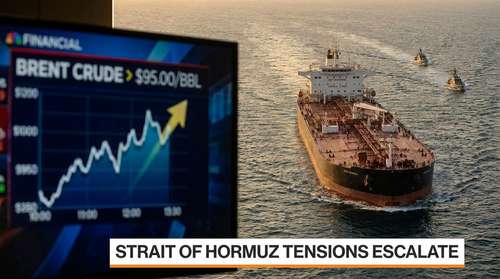
For anyone tracking oil prices today July 2026, the charts are flashing warning signs across the board. A massive brent crude price surge has pushed the international benchmark past the critical $95 per barrel threshold for the first time in six weeks. West Texas Intermediate (WTI) is also feeling the heat, jumping nearly 5% to settle above $88 per barrel. The dramatic intraday jump is the direct result of a rapidly deteriorating security environment in the Middle East, where an escalating tit-for-tat military exchange between Washington and Tehran has paralyzed critical shipping lanes.
As the Q2 corporate earnings season kicks off, this severe energy shock is already sending ripples through Wall Street. The combination of stalled peace negotiations and a tightening physical oil market has fundamentally altered the economic outlook for the third quarter.
The Catalyst: US-Iran Tensions in the Strait of Hormuz
The primary driver behind this week's strait of hormuz conflict oil premium is the total collapse of the mid-June diplomatic memorandum of understanding. Following an eleventh consecutive night of US military strikes targeting Iranian drone storage and operations centers, diplomatic channels appear entirely frozen. Secretary of State Marco Rubio firmly stated on Wednesday that Tehran is "not taking the negotiations seriously," dashing hopes for a near-term de-escalation.
Meanwhile, President Donald Trump has issued stark warnings, threatening overwhelming force against Iran's "Kuh-e Kolang Gaz La" (Pickaxe Mountain) underground nuclear facility if uranium enrichment activities resume. The Khatam al-Anbiya Central Headquarters of the Iranian Armed Forces immediately countered, stating any strike on their nuclear infrastructure would trigger a massive, regional military escalation.
The physical toll on maritime trade is staggering. The Strait of Hormuz—a crucial chokepoint that normally handles a fifth of global petroleum supplies—has seen commercial traffic collapse. Maritime intelligence data reveals that only 13 to 15 vessels are transiting the waterway daily, a sharp decline as operators steer clear of Iranian missile threats.
Houthi Blockade Compounds the Supply Shock
Adding intense pressure to us iran tensions global markets, a secondary maritime crisis has erupted in the Bab el-Mandeb strait. Iran-aligned Houthi forces in Yemen have officially announced a naval blockade specifically targeting Saudi Arabian oil shipments.
The European Union naval force has advised commercial vessels to completely avoid the Red Sea after credible threats from Houthi militants were verified. This two-front disruption means vessels attempting to bypass the Strait of Hormuz by navigating the Red Sea are facing credible, immediate threats. The financial cost of this prolonged engagement is mounting rapidly, with Pentagon estimates showing the U.S. has already expended $37.5 billion on regional military operations. The current supply chain landscape features several massive hurdles:
- Strait of Hormuz: Commercial transits collapsed to 13-15 vessels per day, essentially choking off the primary Gulf export artery.
- Bab el-Mandeb: Houthi blockades force multiple commercial ships to reverse course within 24 hours of approach.
- Energy Outlook: Goldman Sachs warns of $120 a barrel by year-end, with other models forecasting a worst-case spike to $125.
Economic Fallout: Inflation and Wall Street Pressure
The ripple effects of $95 crude extend far beyond the commodities pit. Rising fuel costs are actively altering the macroeconomic landscape, sparking intense debates about oil inflation fed rate cuts. Higher energy input costs threaten to reverse recent disinflationary trends just as central bankers were preparing to pivot.
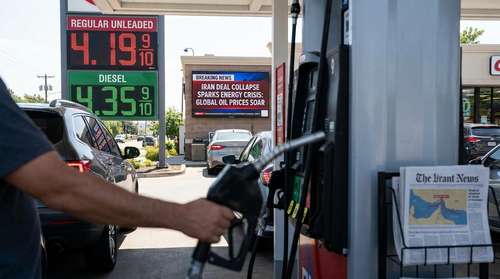
With national average pump prices in the U.S. climbing back past $4.06 per gallon, consumer discretionary spending is likely to take a severe hit. Federal Reserve officials, who have spent the better part of two years fighting sticky inflation, are now facing a worst-case scenario: a supply-driven inflation shock that cannot be fixed by monetary policy alone. The bond market is reacting swiftly, with rising Treasury yields reflecting the diminished likelihood of aggressive rate cuts in the second half of the year.
Q2 Earnings and Equity Markets
This dynamic is deeply complicating the narrative for energy prices stock market today. While major energy producers are reaping windfall profits—Norway's Equinor just reported a staggering $11.5 billion in quarterly earnings—the broader equity market is struggling to absorb the impact of rising yields. Transportation, manufacturing, and logistics sectors are already signaling margin compression. The rapid 55% year-to-date surge in oil prices is acting as a regressive tax on the global economy, leaving investors heavily exposed as they digest Q2 financial reports.
Navigating the Next Phase of Market Volatility
Market volatility indicators are flashing red as the perceived probability of fully reopening these vital shipping lanes collapses. While some institutional analysts at BCA Research maintain that political pressures on both Washington and Tehran could eventually force a return to a dynamic equilibrium between $70 and $90 per barrel, the current reality on the ground points toward sustained disruption.
Traders and supply chain managers must brace for erratic price swings. The structural deficit created by avoiding the Middle East's primary maritime corridors cannot be easily offset by surging production elsewhere. Until a credible, enforced ceasefire materializes, the global economy remains acutely vulnerable to the geopolitical tightrope walk playing out across the Persian Gulf.