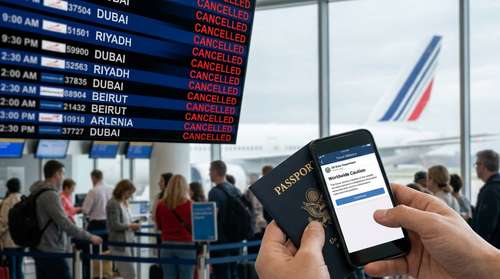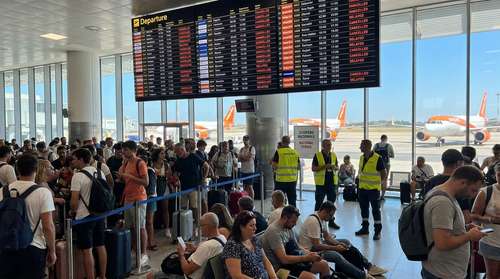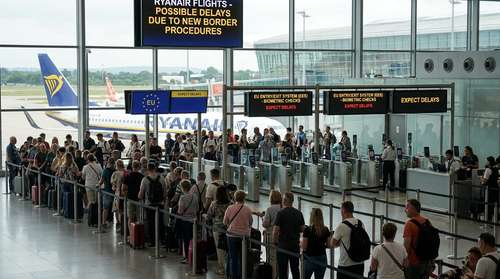
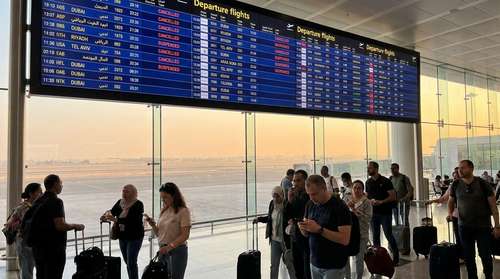
The escalating security crisis in the Gulf has triggered an unprecedented wave of Middle East flight cancellations, leaving millions of global travelers scrambling. Over 17 major international airlines—including heavyweights like British Airways, Lufthansa, KLM, and Singapore Airlines—have officially extended their regional flight suspensions into late October 2026. As the situation rapidly evolves this week, travelers are facing severe global flight delays, sudden route alterations, and strict new travel warnings from Western governments.
EASA Gulf Airspace Warning Triggers Massive Disruptions
The core catalyst for these airline suspensions in July 2026 is a rapidly deteriorating security environment. Over the weekend, the European Union Aviation Safety Agency (EASA) stepped in to issue an urgent Conflict Zone Information Bulletin (CZIB). The extended EASA Gulf airspace warning strongly advises carriers to avoid operating in the airspace over the United Arab Emirates, Bahrain, Qatar, Kuwait, and portions of the Gulf of Oman through at least August 31, 2026. A separate advisory was also issued warning aircraft away from Jordanian airspace due to unannounced military activity.
This critical safety mandate follows renewed military activities and consecutive nights of strikes that effectively shattered a temporary ceasefire. With the risk of misidentification, drone activity, and falling debris significantly heightened, safety regulators have left international carriers with little choice but to radically alter their summer and fall schedules. The UK Foreign, Commonwealth & Development Office, alongside authorities in the US, Canada, and Australia, have subsequently issued severe Middle East travel advisories urging citizens to reconsider or entirely avoid non-essential travel to the affected zones.
Dubai Flight Status Updates and Regional Airline Suspensions
For passengers trying to navigate the complex web of route adjustments, Dubai flight status updates paint a grim picture for the remainder of the year. Dubai International Airport, typically a bustling global transit hub bridging the West and Asia, is seeing vastly reduced traffic from European and North American operators.
British Airways has delayed its phased return, confirming that flights to Dubai, Bahrain, and Amman will remain suspended until October 25. Furthermore, the UK flag carrier announced it is permanently dropping its London-Jeddah route and paring back Riyadh services. Similarly, KLM announced that its operations to Dubai, Riyadh, and Dammam are halted until late August. Lufthansa and Swiss have suspended their Dubai routes until September 13, while Air Canada pushed its Toronto-to-Dubai resumptions back to October 24.
Regional Carriers Forced to Ground Flights
It isn't just Western airlines feeling the strain. Regional powerhouses are also grappling with the immediate operational fallout. Etihad Airways recently announced extended cancellations for flights between Abu Dhabi and Kuwait, citing ongoing airspace hazards. Qatar Airways has also temporarily suspended its regional passenger flights to Kuwait, Bahrain, and Erbil through the end of July. Flight durations and transit times are noticeably longer as airlines route around the prohibited zones, leading to compounding global flight delays. Passengers booked on these routes are being urgently advised to verify their flight statuses directly with the operators before heading to the airport.
ITA Airways Israel Flights Cancelled Amid Tel Aviv Groundings
The travel chaos extends well beyond the immediate Gulf region. In a major development over the weekend, Italy's flagship carrier became the latest to halt operations in the Eastern Mediterranean, with ITA Airways Israel flights cancelled effective immediately. This move mirrors actions taken by other legacy carriers that have completely severed air links to Tel Aviv for the foreseeable future.
Air Canada and Lufthansa Group airlines, including Austrian and Brussels Airlines, had previously paused their operations to Ben Gurion Airport, but those suspensions are now stretching deep into the fall. The sudden withdrawal of ITA Airways emphasizes just how volatile the regional airspace has become, pushing airlines to prioritize long-term safety over recovering heavily demanded summer revenue.
Navigating Global Flight Delays and New Travel Advisories
If you find yourself caught in the middle of these sweeping Middle East flight cancellations, you have specific rights regarding refunds and rebooking. The cascade of airline suspensions in July 2026 has triggered mandatory refund policies for canceled legs under EU and UK aviation laws. Most airlines, including Emirates and British Airways, are offering flexible rebooking options, free date changes, or full refunds for affected travelers.
Before you pack your bags, it is absolutely essential to consult the latest Middle East travel advisory issued by your home country. Ensure your contact details are updated in your airline booking portal so you can seamlessly receive SMS or email alerts regarding last-minute schedule changes. Navigating these unprecedented global flight delays requires patience and preparation this season. Consider securing comprehensive travel insurance that explicitly covers conflict-related disruptions, as the aviation landscape in the Middle East is expected to remain highly unpredictable through the end of 2026.