In a move that has stunned global leaders and polarized the international community, President Donald Trump officially launched his ambitious "Board of Peace" charter at the 2026 World Economic Forum in Davos. Standing alongside senior adviser Jared Kushner on Thursday, Trump unveiled a sweeping "master plan" to transform the war-torn Gaza Strip into a shimmering luxury seaside metropolis. The proposal, which demands the total disarmament of Hamas as a non-negotiable prerequisite, envisions a "New Gaza" replete with high-end high-rises, data centers, and a thriving coastal tourism industry. As key figures from the Middle East and South America signed on, Western European powers largely balked, setting the stage for a tense diplomatic standoff that could reshape Trump second term foreign policy.
Inside the 'New Gaza' Master Plan
The visual presentation, led by Jared Kushner, offered a stark contrast to the current reality on the ground in Gaza. Utilizing high-definition CGI renderings, Kushner showcased a futuristic skyline replacing rubble-strewn streets. The Gaza redevelopment plan outlines a phased reconstruction effort estimated to require at least $25 billion in initial private and state investment. "We decided to plan for catastrophic success," Kushner told the assembled delegates, dismissing the notion of a "Plan B."
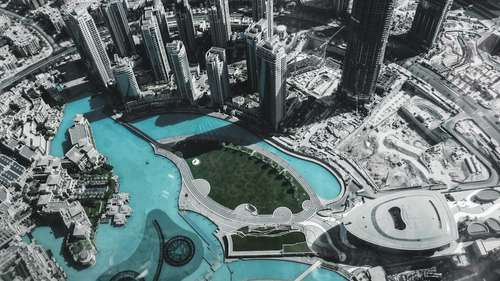
The blueprint divides the enclave into specific zones: bright pink areas designated for "coastal tourism," yellow sectors for residential high-rises, and green belts for parks and sports facilities. The proposal promises "100% full employment" for Gazans, driven by new tech hubs and advanced manufacturing complexes. "This could be the Riviera of the Middle East," Trump remarked during the signing ceremony. "I'm a real estate person at heart, and I see a beautiful piece of property with tremendous potential."
The Disarmament Mandate
Central to the Board of Peace Gaza initiative is a strict security mandate. The plan explicitly states that reconstruction funds and development projects will only proceed in zones that have been fully demilitarized. This "security-first" approach places heavy pressure on Hamas to disarm completely, a condition Kushner described as essential for the "New Gaza" to exist. "We are committed to ensuring Gaza is demilitarized, properly governed, and beautifully rebuilt," Kushner affirmed, signaling a shift toward a technocratic, Palestinian-run government overseen by the Board.
Global Reaction: A Divide at Davos 2026
The launch of the charter has exposed deep rifts in the international community. While representatives from nearly 20 nations—including Argentina’s Javier Milei, Hungary’s Viktor Orban, and officials from Saudi Arabia, Qatar, and Turkey—attended the signing, major Western European allies were notably absent. France, Sweden, and Norway declined to join the board as currently formulated, citing concerns over its potential to undermine existing United Nations frameworks.
This diplomatic snub did not go unanswered. True to his aggressive negotiation style, President Trump threatened punitive economic measures against nations that refused to back the initiative. "We are offering a path to prosperity," he declared, hinting at tariffs on goods like French wine if support was not forthcoming. This friction highlights the volatile nature of Middle East peace 2026 efforts, where economic incentives are increasingly weaponized to secure geopolitical compliance.
Kushner’s Role and the ‘Real Estate’ Vision
Jared Kushner Davos 2026 became a trending topic as the former real estate developer took center stage. His presentation was criticized by some humanitarian groups as being "sanitized" and disconnected from the immediate humanitarian crisis, yet it found a receptive audience among global investors looking for emerging markets. Kushner emphasized that the plan relies heavily on private sector efficiency rather than traditional aid models, which he argued have failed for decades.
The "Board of Peace" is structured to bypass traditional diplomatic gridlock, utilizing a corporate-style board of directors to approve projects and enforce milestones. Critics argue this commercialization of peace building ignores deep-seated political grievances, while supporters view it as a pragmatic, results-oriented alternative to a stagnant status quo. "It’s a board of action, not just words," Secretary of State Marco Rubio added, reinforcing the administration's commitment to this new diplomatic architecture.
What Lies Ahead for the Region?
As the Davos 2026 news cycle continues to be dominated by this announcement, the practical challenges remain immense. Implementing such a grand vision requires not just capital, but a stable ceasefire and the cooperation of a Palestinian population that may be skeptical of a plan focused so heavily on luxury development. The coming weeks will be critical as the administration seeks to secure the $25 billion funding goal and convince skeptical European allies to come to the table.
Whether the "New Gaza" becomes a reality or remains a digital dreamscape will depend on the Board's ability to navigate the complex security dynamics on the ground. For now, the Trump administration has made its position clear: peace will come through economic transformation, and they are ready to bulldoze the old status quo to build it.