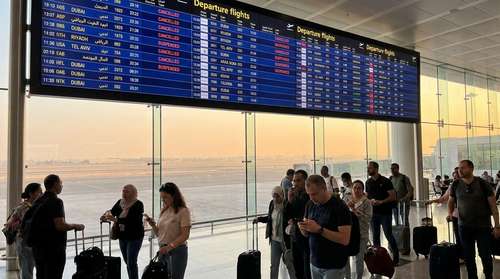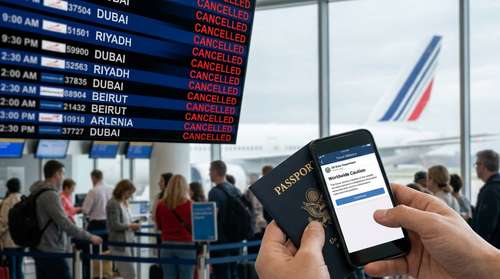
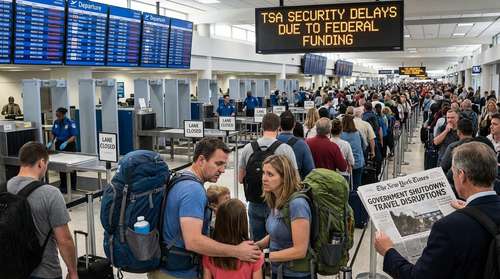
Millions of American travelers are walking into a perfect storm of aviation gridlock this weekend. An ongoing partial Department of Homeland Security (DHS) shutdown has collided with a historic surge of vacationers, triggering severe TSA staffing shortages 2026. With an estimated 171 million passengers expected to fly this spring, major hubs across the country are buckling under the pressure. The result is unparalleled gridlock, leaving thousands of passengers stranded at terminal gates and pleading for relief.
The Breaking Point: Spring Break 2026 Travel Chaos
The sheer volume of vacationers moving through the system right now is staggering. However, the root of the current Spring Break 2026 travel chaos lies not in passenger demand, but in a fractured security apparatus. Since the DHS funding lapse began on February 14, over 50,000 Transportation Security Administration officers have been mandated to work without pay. The financial strain has driven nearly 500 screeners to quit entirely, while thousands of others have been forced to call out sick to seek alternative income.
At heavily trafficked hubs like Hartsfield-Jackson Atlanta International, Houston's Bush Intercontinental, and Los Angeles International Airport (LAX), absentee rates have skyrocketed. Recent operational data showed call-out rates eclipsing 38 percent in Atlanta and reaching an alarming 55 percent at Houston Hobby on single days. This attrition has forced the consolidation or outright closure of numerous security lanes right as passenger volume hits its seasonal peak.
Assessing the Government Shutdown Airport Impact
The cascading government shutdown airport impact has essentially broken normal terminal operations. Airline executives from major carriers like Delta, American, and Southwest recently sent urgent letters to Congress, warning that the national aviation system is being used as a political football. They noted that expecting highly trained security personnel to work indefinitely for zero pay is unsustainable and inherently compromises operational efficiency.
Compounding the problem is the fact that standard digital tools are currently unavailable. The official MyTSA app and the agency's live website trackers are offline due to the funding lapse. Travelers attempting to verify airport security wait times today are instead forced to rely on individual airport websites or third-party tracking metrics, adding another layer of frustration to the departure process.
Unprecedented Delays at Major Checkpoints
For passengers navigating the terminals this weekend, the reality on the ground is grim. The combination of closed lanes and massive crowds has produced some of the highest wait times in the agency's history. In Atlanta, wait times have routinely exceeded three hours. At Chicago O'Hare and LaGuardia, lines have snaked out of the screening areas and into baggage claim.
The Surge in Missed Flights
Standard advice to arrive two hours prior to domestic departures is no longer sufficient. Aviation authorities are now urging travelers to arrive three to four hours early. Even then, social media is flooded with accounts of missed flights government shutdown style. Passengers are doing everything right—arriving at 4:00 a.m. for a 7:00 a.m. departure—only to watch their aircraft push back while they are still removing their shoes in the screening queue. These massive US travel disruptions March 2026 have already altered the vacation plans of countless families.
Will the New TSA Pay Executive Order Fix the Crisis?
In a late-breaking attempt to stem the bleeding, President Donald Trump signed a highly anticipated TSA pay executive order on March 27. The directive instructs the DHS Secretary to immediately utilize available funds to issue back pay to the agency's workforce, sidestepping the ongoing congressional deadlock over immigration and border enforcement funding. Officers could see their delayed compensation arrive within days.
While the administration also deployed Immigration and Customs Enforcement (ICE) agents to assist at critical checkpoints, labor leaders warn that the crisis will not evaporate overnight. Trust within the workforce is fractured. Until a permanent funding bill passes the Senate and House, staffing levels will likely remain volatile. It takes time to process payroll, convince absent workers to return, and hire replacements for those who formally resigned.
Expert Strategies for Navigating the Gridlock
If you are scheduled to fly during the remainder of the spring season, defensive planning is your best asset against the ongoing disruptions.
- Arrive Exceptionally Early: Treat domestic flights like international ones. Budget a minimum of three to four hours before boarding time.
- Check Local Trackers: Skip the offline federal apps. Monitor your specific departure airport's website and official social media channels for real-time updates.
- Leverage Expedited Screening: While TSA PreCheck and CLEAR lines are also experiencing delays, they remain significantly faster than standard screening. Note that some airports have reduced PreCheck lane hours due to the TSA staffing shortages 2026.
- Pack Light: Traveling with only a carry-on eliminates the need to wait in congested bag-drop lines before you even reach the security checkpoint.
The reality is that commercial aviation relies on a delicate balance of infrastructure, staffing, and technology. Until federal funding is fully restored and the workforce stabilizes, American travelers must prepare for a test of endurance before their vacations can officially begin.