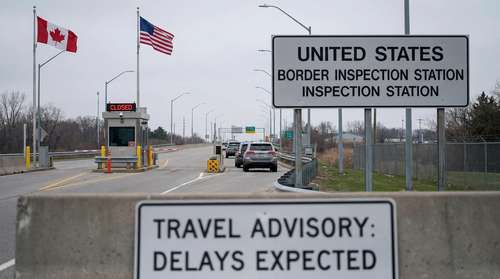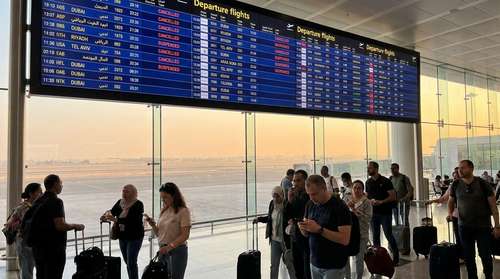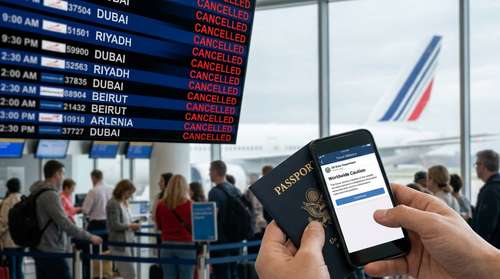
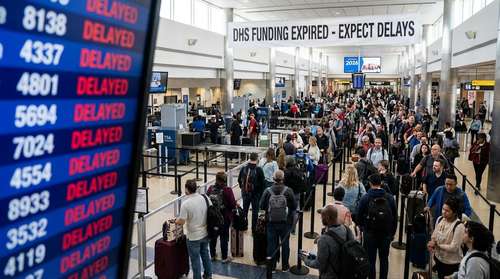
WASHINGTON — A partial US government shutdown 2026 has officially disrupted federal operations this Presidents' Day weekend, triggering widespread warnings of airport delays today and potential travel chaos just as the busy spring break season kicks off. The funding lapse, caused by a Senate deadlock over Department of Homeland Security (DHS) appropriations, has left thousands of Transportation Security Administration (TSA) officers and Customs and Border Protection (CBP) agents working without pay, raising fears of security checkpoint closures and "nightmare" wait times nationwide.
DHS Funding Expiration Sparks Travel Anxiety
The partial shutdown began at midnight on Friday, February 13, 2026, after the Senate failed to advance a spending measure to fund the DHS through the remainder of the fiscal year. While the rest of the federal government remains funded through September following the passage of broader appropriations bills, the DHS—which oversees critical travel infrastructure—was left in limbo due to fierce political disagreements over immigration enforcement reforms.
With Congress now on recess for the Presidents' Day holiday, no immediate resolution is in sight. This timing creates a "perfect storm" for travelers, as the DHS funding expiration coincides with one of the busiest travel periods of the year. Industry experts warn that while CBP travel disruptions may be mitigated by multi-year funding sources, the TSA workforce is immediately vulnerable, echoing the operational struggles seen during the record-breaking shutdown of 2019.
Spring Break Flight Delays and TSA Staffing Fears
The immediate concern for millions of Americans is the potential for spring break flight delays caused by staffing shortages. Although TSA officers are deemed "essential" government employees and are required to report for duty, they will not receive paychecks until the shutdown ends. Historical data suggests this financial strain often leads to a spike in unscheduled absences, known as the "blue flu," which can cripple airport security throughput.
"Travelers and the US economy cannot afford to have essential TSA personnel working without pay," warned a coalition of travel industry groups, including Airlines for America and the U.S. Travel Association, in a joint statement. "This increases the risk of unscheduled absences and call-outs, and ultimately can lead to higher wait times and missed connections."
Reports from major hubs like Houston and Atlanta already indicate rising tension. During previous shutdowns, major airports were forced to close entire security terminals due to a lack of screeners. With TSA security wait times already fluctuating, passengers are being urged to arrive at airports significantly earlier than usual—at least three hours for domestic flights and four for international travel.
Political Deadlock Over Immigration Reform
The root of the current federal government shutdown travel impact lies in a contentious dispute over immigration policy. Senate Democrats blocked the DHS funding bill, demanding stricter oversight and reforms for Immigration and Customs Enforcement (ICE) and CBP following the high-profile killing of Alex Pretti in Minneapolis earlier this year. The incident has become a flashpoint in negotiations, with lawmakers refusing to approve the agency's budget without attached policy changes.
Conversely, Republican leadership has pointed to the previously passed "One Big Beautiful Bill Act" (OBBBA) as providing sufficient resources for border agencies, arguing that the current blockade jeopardizes national security and commerce. With both the House and Senate scheduled to be away from Washington for the holiday recess, the standoff could drag on for days, if not weeks.
What Travelers Need to Know Right Now
If you are flying this week or planning a spring break trip, preparation is key. Here is how to navigate the current uncertainty:
- Monitor Wait Times: Check your departure airport's website and the MyTSA app for real-time updates on TSA security wait times.
- Arrive Early: buffer your arrival time by an extra hour to account for potential lane closures or staffing shortages.
- Check Flight Status: While air traffic controllers (FAA) are funded and working normally, cascading delays from security checkpoints can cause missed flights.
- Have Backup Plans: Ensure your travel insurance covers shutdown-related disruptions, though many policies exclude government actions.
As the standoff continues, the pressure is mounting on Capitol Hill to reach a deal before the full weight of the spring break rush—and the resulting airport chaos—overwhelms the nation's transportation network.