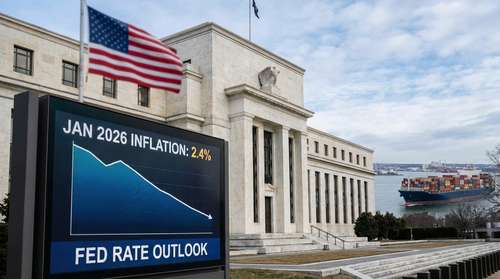
Washington, D.C. – The U.S. economy signaled a critical turning point this Friday as the Labor Department released highly anticipated US CPI data for 2026. The annual inflation rate cooled to 2.4% in January 2026, defying economist forecasts of 2.5% and marking the slowest pace of price increases since last spring. This cooling trend offers a shimmer of relief to consumers and policymakers alike, even as markets continue to navigate the complex ripple effects of new national trade tariffs.
Inflation Data Breakdown: A Mixed Bag for Consumers
The latest consumer price index report reveals a nuanced economic landscape. While the headline number dropped from December's 2.7%, the underlying details show a divergence in sector performance. Energy prices were the primary driver of the decline, plummeting 1.5% for the month, with gasoline prices specifically dropping 7.5% year-over-year. This sharp decrease provided a necessary buffer against rising costs in other areas.
However, the January 2026 inflation rate data indicates that core inflation—excluding volatile food and energy sectors—remains stubborn at 2.5% annually. Shelter and food costs continued their upward trajectory, rising faster than the overall average. Specifically, the shelter index climbed 3% over the year, reminding American households that the cost of living pressure has not fully dissipated. "While the headline number is a win, the persistence in housing and food costs suggests the battle isn't entirely won," noted a senior analyst at Bankrate.
Tariff Impact on Prices and Supply Chains
A central theme of the January report is the tangible tariff impact on prices. Following the implementation of new national tariffs late last year, businesses are grappling with fluctuating input costs. The US economic trends for early 2026 show that while some tariff-induced spikes have leveled off, specific sectors like apparel and electronics are seeing price stickiness. Apparel prices, for instance, edged up 0.3% in January, a move analysts attribute directly to higher import duties on textiles.
Manufacturing and Logistics Under Pressure
For the manufacturing sector, the business market outlook 2026 remains cautiously optimistic but fraught with challenges. Logistics companies are reporting increased inventory valuations as they adjust to the new tariff regimes. Major retailers have indicated that while they are absorbing some costs, the pressure to pass these on to consumers is growing. The effective tariff rate, now estimated to be hovering near 10%, is forcing a structural reset in supply chains, with many firms accelerating "nearshoring" strategies to mitigate future volatility.
Federal Reserve Interest Rates: Will They Cut?
The cooling inflation data has immediately shifted investor focus to the Federal Reserve interest rates. The Fed held rates steady at the 3.50%-3.75% target range during its January meeting, maintaining a wait-and-see approach. However, with inflation now trending closer to the central bank's 2% target, Wall Street is ramping up speculation regarding a potential rate cut in the upcoming quarter.
Bond markets are already pricing in a high probability of a cut by March or June. "The data gives the Fed the green light to consider easing monetary policy further," said a chief economist at Goldman Sachs. "If this cooling trend persists without a recessionary dip, we could see a 'soft landing' scenario fully materialize by mid-year." The delicate balance for the Fed will be ensuring that lower rates don't reignite demand too quickly, especially with the tariff-related supply constraints still in play.
Outlook: Navigating the 2026 Economic Landscape
As the U.S. moves deeper into Q1, the narrative is shifting from crisis management to stabilization. The US CPI data 2026 for January serves as a critical benchmark. Consumers are beginning to feel the benefit of lower fuel prices, though the relief is tempered by high rents and grocery bills. For investors and business leaders, the key will be monitoring how the impact of new trade tariffs evolves and whether the Federal Reserve signals a dovish pivot in the coming weeks.
Ultimately, while the path forward is not without obstacles, the drop to 2.4% inflation provides a much-needed foundation for economic stability. The resilience of the labor market, combined with easing price pressures, suggests that the U.S. economy is finding its footing in this new era of trade policy and monetary adjustment.