The grueling security bottlenecks that defined the first half of this season's travel are finally clearing up. After a historic 47-day partial federal funding lapse that forced thousands of screeners to work without pay, aviation operations are returning to normal. For millions of flyers checking TSA wait times 2026, the recent legislative resolution brings immediate relief. Checkpoints at major hubs are rapidly stabilizing as agents return to paid status, closing a deeply disruptive chapter just as the busy travel season reaches its final peak.
The End of the Security Squeeze
The government shutdown travel impact was severe, pushing wait times at airports like Houston Hobby and Atlanta Hartsfield-Jackson well past the three-hour mark throughout March and early April. Driven by financial strain, frontline absenteeism had reached an alarming 35% at certain international hubs. The crisis drastically reduced the number of open security lanes, prompting massive lines and even a public offer from billionaire Elon Musk to personally fund screener salaries.
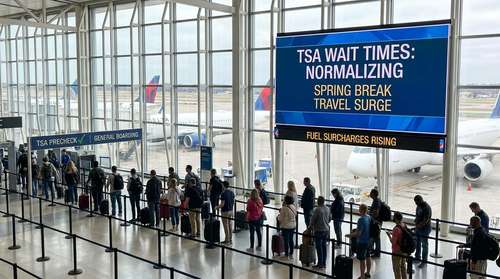
Now, following the mid-April legislative compromise that fully funded the Department of Homeland Security, the tide has turned. US airport security updates confirm that staffing levels are rebounding to pre-crisis targets. As back pay lands in bank accounts, the widespread sick-outs have ceased, allowing the Transportation Security Administration to handle passenger volumes efficiently. Travelers passing through major terminals this weekend are already reporting standard processing times, effectively ending the daily cycle of missed flights and concourse congestion.
Navigating a Historic Passenger Rush
The operational recovery arrives just in time to salvage the remainder of a heavily booked travel corridor. According to Airlines for America, the industry is in the midst of handling spring break travel records. An unprecedented 171 million passengers are scheduled to fly between March 1 and April 30, averaging 2.8 million travelers and 26,000 flights per day.
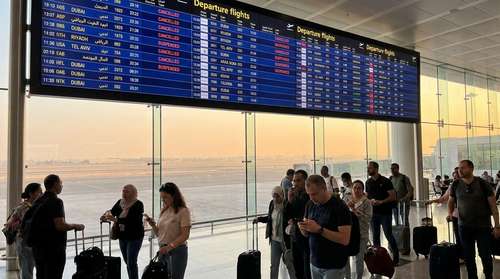
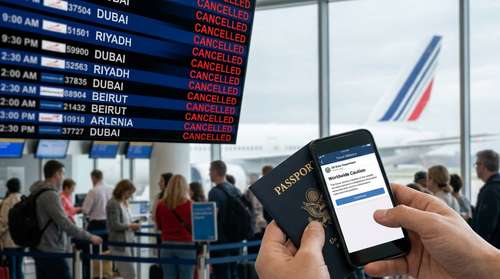
While the systemic checkpoint bottlenecks are clearing, passengers shouldn't abandon all caution. Navigating travel delays today requires paying close attention to airline operational constraints rather than federal security hold-ups. The sheer volume of this 2026 surge—up 4% from last year—means terminals remain incredibly crowded. Furthermore, spring storm systems across the East Coast continue to trigger localized cancellations, meaning flyers still need to actively monitor their flight status before heading to the airport.
The New Sting: Skyrocketing Fees and Fuel Levies
Although the time cost of flying has improved, the financial burden has drastically worsened. A severe spike in global oil prices following geopolitical disruptions in the Middle East—specifically the closure of the Strait of Hormuz—has crippled airline operating budgets. The global average price of jet fuel hit $197 per barrel in late March, representing a 105% jump in just four weeks. Consequently, carriers are passing the pain directly to consumers.
Anyone booking flights or managing existing reservations is now facing massive airline fuel surcharges 2026. International carriers like Cathay Pacific have roughly doubled their levies, adding upwards of $200 per one-way, long-haul segment. European low-cost carriers like Volotea are even enforcing post-booking surcharges on already-ticketed passengers, citing fair price clauses to offset emergency fuel costs. These surcharges are hitting everyone, making even free award ticket redemptions significantly more expensive.
Beyond the Ticket: Baggage Costs Surge
The effort to achieve full US aviation crisis recovery extends beyond fuel mitigation. Major domestic operators have aggressively raised checked baggage fees in recent weeks to pad revenue. For United Airlines, executives warned that elevated fuel prices could add up to $11 billion in annual costs, making fee hikes a necessary financial defense mechanism. The combined effect of fuel adjustments and baggage price hikes means your flight will cost noticeably more than it did just two months ago.
Looking Ahead to the Summer Outlook
As the aviation industry closes the books on a chaotic April, the landscape of American air travel is fundamentally shifting. The resolution of the 47-day federal shutdown has restored confidence in the physical infrastructure of airport security, averting total system failure.
However, the legacy of this spring will be defined by the surging cost of travel. Passengers heading to the gate this weekend will undoubtedly enjoy much shorter security queues, but they must prepare to open their wallets wider to keep their travel plans aloft. Securing early bookings and packing lighter have never been more critical strategies for the budget-conscious traveler.