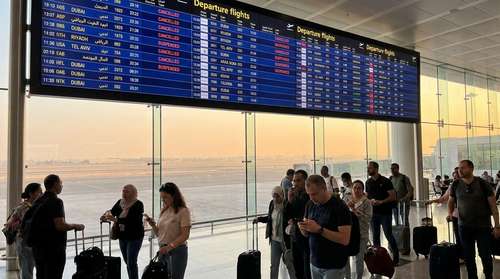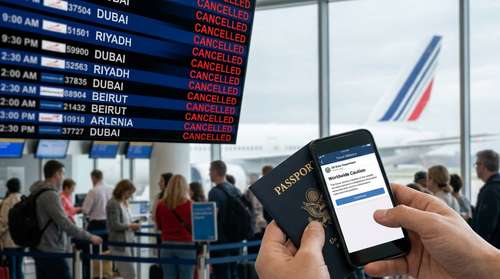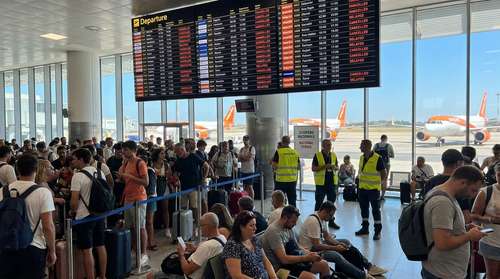
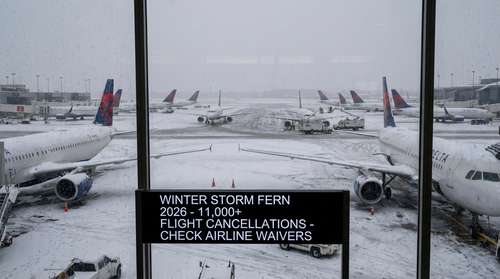
A catastrophic collapse of the U.S. aviation network is underway as Winter Storm Fern pummels the nation, grounding over 11,000 flights in a single day—the most severe air travel disruption since the onset of the COVID-19 pandemic in March 2020. As of Monday morning, January 26, 2026, major transit hubs across the Northeast, South, and Midwest remain virtually paralyzed, leaving hundreds of thousands of passengers stranded amid dangerous ice and heavy snowfall.
'Complete Standstill': Aviation Chaos by the Numbers
Data from flight tracking service FlightAware reveals a staggering grim reality for travelers. On Sunday alone, U.S. airlines canceled more than 11,000 flights, with another 3,500+ already grounded for Monday. The total number of cancellations since the storm began on Saturday has now eclipsed 13,000, creating a backlog that analysts warn could take days, if not over a week, to clear.
The scale of the disruption is historic. Aviation analytics firm Cirium confirmed that Sunday's cancellation rate reached levels not seen since the global travel shutdowns of early 2020. "We aren't just looking at delays; we are looking at a system-wide reset," noted one industry analyst. "When you have hubs like Atlanta, Dallas, and New York offline simultaneously, the network simply breaks."
Major Hubs Closed: NYC, D.C., and Texas Hit Hardest
Winter Storm Fern's massive footprint has targeted the country's most critical aviation arteries. In the Northeast, air travel has effectively ceased. LaGuardia Airport (LGA) in New York reported a near-total shutdown, with 91% of scheduled flights canceled on Sunday. Nearby John F. Kennedy International (JFK) fared little better, scrubbing nearly 80% of its departures.
The situation is equally dire in the nation's capital. Ronald Reagan Washington National Airport (DCA) halted operations almost entirely, canceling 97% of outbound flights as runways became unmanageable. Meanwhile, in the South, the ice storm component of Fern has wreaked havoc. Dallas-Fort Worth International (DFW), a primary hub for American Airlines, and Nashville International (BNA) saw operations grind to a halt due to rapidly accumulating ice, contributing to massive ripple effects throughout the network.
Airline-Specific Impact
No carrier has been spared, but the largest U.S. airlines are bearing the brunt of the storm's fury:
- American Airlines: Canceled over 1,800 flights on Sunday, heavily impacted by the freeze in Dallas and Charlotte.
- Delta Air Lines: Grounded approximately 1,500 flights as ice threatened its primary fortress hub in Atlanta.
- Southwest Airlines: Reported over 1,300 cancellations, struggling with disruptions at its Dallas Love Field headquarters and across the Midwest.
- JetBlue: With its heavy exposure to the Northeast corridor, the airline canceled roughly 71% of its entire Sunday schedule.
Travel Waivers and Passenger Rights
In response to the crisis, every major U.S. airline has issued broad travel waivers allowing passengers to rebook without penalty. These waivers generally cover travel dates through January 29, 2026. Travelers are strongly urged to utilize airline apps to change their itineraries rather than heading to the airport, where staff availability is limited and conditions are treacherous.
"If you do not have to fly today or tomorrow, don't," advised a Department of Transportation spokesperson. "Refunds are available for canceled flights if you choose not to travel, but rebooking options are extremely limited due to full loads on surviving flights."
Broader Impact: Power Outages and States of Emergency
The chaos in the skies mirrors the emergency on the ground. Winter Storm Fern has left over 1 million customers without power, with Tennessee and Georgia reporting the most significant outages. Governors in more than 20 states—including New York, New Jersey, Kentucky, and Maryland—have declared states of emergency, mobilizing National Guard units to assist with stranded motorists and emergency response.
As the storm center shifts gradually eastward, the immediate forecast offers little relief for Monday travelers. With de-icing equipment overwhelmed and flight crews displaced, the "Fern Freeze" of 2026 is already cementing its legacy as one of the most disruptive winter events in modern U.S. aviation history.