
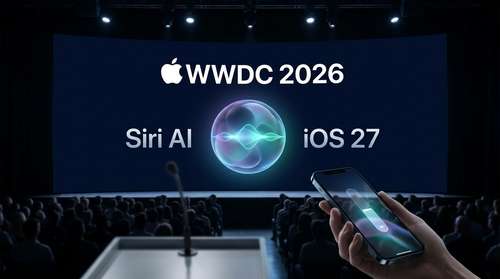
The tech world's eyes were fixed on Cupertino this week for the highly anticipated WWDC 2026 announcements, and the software showcase delivered on years of speculation. During what felt like a monumental pivot for the company, Apple officially took the wraps off its completely overhauled virtual assistant, introducing robust Apple Siri AI features. Furthermore, the tech giant debuted iOS 27, which tackles widespread user interface complaints with a brand-new iOS 27 Liquid Glass transparency slider and sweeping performance upgrades.
Beyond the code and the cloud, this year's developer conference carried a deep historical weight. It marked CEO Tim Cook's final WWDC keynote before he officially steps down on September 1, 2026. While Tim Cook successor John Ternus—the company's current head of hardware engineering—did not take the main stage, his presence loomed large over the event. Ternus mingled with developers and press behind the scenes as Cook ended the presentation with an emotional sign-off, calling his tenure the "honor of a lifetime".
The Long-Awaited Debut of Siri AI
After two years of teasing a smarter, more context-aware assistant, Apple finally delivered on its promises. The newly branded Siri AI has been rebuilt from the ground up, utilizing a massive 1.2-trillion parameter custom Google Gemini model to process complex requests seamlessly across the device and the cloud. This represents a significant leap forward in Apple Intelligence iOS 27 integration, fundamentally changing how the iPhone operates.
You can now converse naturally with the assistant, ask multi-layered follow-up questions, and rely on it to pull specific contextual information across third-party apps. For developers, this means the older SiriKit framework has been officially deprecated in favor of mandatory App Intents, forcing a massive architectural shift in how apps communicate with iOS. As for the highly anticipated Siri AI release date, developers have immediate access to the foundation models in Xcode 27, while the general public can expect a beta launch later this fall for devices set to English.
iOS 27 Liquid Glass Gets a Necessary Fix
When Apple introduced the translucent "Liquid Glass" design language last year, it looked undeniably futuristic. However, it quickly garnered criticism from everyday users who struggled with readability in bright sunlight and cluttered backgrounds. Apple clearly listened to the feedback, using this cycle to execute a "soft reset" on its visual identity.
The centerpiece of the UI changes this year is the revamped iOS 27 Liquid Glass experience. Apple has implemented a system-wide transparency slider nestled within the Settings app. This gives iPhone users granular control over their interface, allowing them to adjust the visual effect from completely sheer to fully opaque. Additionally, Apple added darkened edges and brighter specular highlights to floating toolbars, naturally creating depth and separation to keep text crisp and legible without sacrificing style.
A Focus on Core Performance and Accessibility
While artificial intelligence naturally stole the headlines, iOS 27 is fundamentally a foundational update aimed at stability. Apple is actively doubling down on core performance, boasting up to 30% faster app launch speeds. The tech giant also overhauled the native keyboard, rolling out advanced dictation tools backed by the same Gemini architecture powering Siri AI. It now seamlessly auto-corrects grammar, punctuation, and capitalization on the fly.
In a nod to global accessibility, the keyboard update introduces native support for several new languages, including the Philippine script Baybayin, as well as Afrikaans, Basque, and Zulu. A highly requested "paste from screenshots" feature also makes its debut, allowing users to temporarily hold copied text and recent captures directly above the keyboard.
Expanding the Ecosystem: macOS Golden Gate
The updates weren't limited to the iPhone. Apple expanded its refinements to the Mac with the announcement of macOS 27, officially dubbed "Golden Gate". The desktop operating system mirrors the iOS enhancements, bringing the new Liquid Glass adjustments to application sidebars and introducing more uniform toolbars. Golden Gate also marks the absolute end of support for Intel-based Macs, fully cementing the Apple Silicon era.
Apple WWDC 2026 Recap: A Foundation for the Future
As we process this comprehensive Apple WWDC 2026 recap, it is clear that Cupertino is using this cycle to steady the ship. Between refining polarizing design choices and launching a legitimately competitive AI assistant, Apple is setting the stage for its next decade. According to industry analysts, Apple's overarching goal is to make AI a seamless part of the operating system rather than a separate destination, and Siri AI is the central pillar of that ambition.
The lack of flashy new hardware or foldable iPhone announcements wasn't an oversight—it was a deliberate choice to focus on the software backbone that billions rely on. As Tim Cook prepares to hand the reins to John Ternus this September, he leaves behind an ecosystem that finally feels modern, responsive, and fully equipped for an AI-driven future.