The neon lights of Las Vegas have dimmed, but the shockwaves from the Best of CES 2026 winners are just beginning to ripple through the tech world. In a year defined by the transition from generative chatbots to "physical AI," the official awards ceremony crowned 22 major breakthroughs that promise to redefine how we live and work. While competition was fierce among the 4,000+ exhibitors, two clear titans emerged: Nvidia's 'Rubin' AI platform, which claimed the coveted Best in Show award for its revolutionary efficiency, and Boston Dynamics' Atlas 2026, the electric humanoid that proved it's finally ready for the factory floor.
Nvidia Rubin: The Engine of the AI Future
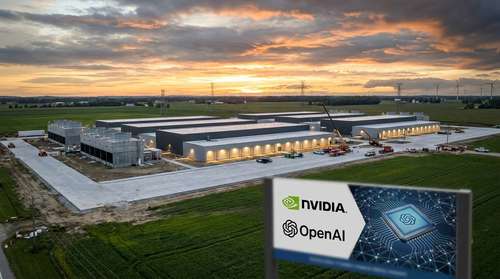
Nvidia has long been the backbone of the artificial intelligence boom, but their Best of CES 2026 win for the 'Rubin' architecture signals a massive leap forward. Named after pioneering astronomer Vera Rubin, this platform isn't just about raw speed—it's about the sustainable scaling of intelligence. Judges were particularly impressed by the platform's ability to slash the energy cost of processing data tokens, addressing one of the industry's most critical challenges.
The architecture features a unique six-chip design, integrating the new "Vera" CPU with the "Rubin" GPU. This combination allows for a staggering 3.6 terabytes per second of bandwidth, effectively unclogging the bottlenecks that have historically slowed down massive AI models. For consumers, this means the future tech trends 2026 promised—like real-time voice translation and instant video generation—are now computationally viable without bankrupting energy grids.
"Rubin is the blueprint for the next decade of computing," stated the judges during the award presentation. By optimizing for "agentic AI"—systems that can reason and take multi-step actions—Nvidia has secured its place not just as a hardware manufacturer, but as the architect of the autonomous future.
Boston Dynamics Atlas: The Worker Robot Arrives
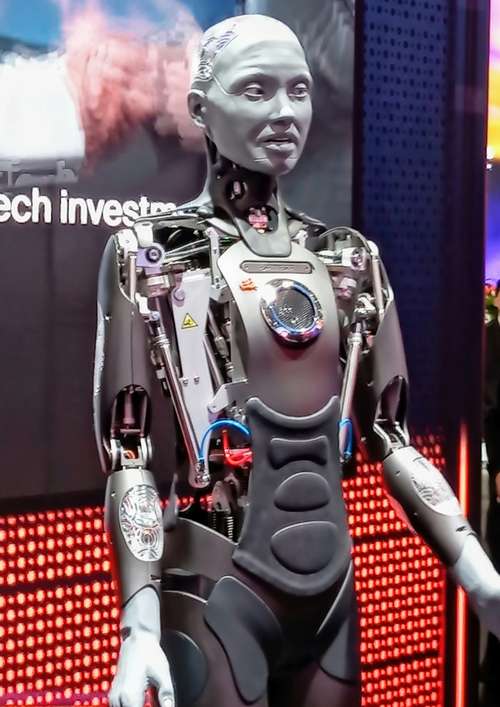
If Nvidia provided the brain, Boston Dynamics' Atlas 2026 provided the brawn. Taking top honors in the Robotics category, the fully electric Atlas stunned attendees not with backflips, but with boring, beautiful reliability. Unlike its hydraulic predecessors, this production-ready model is quieter, stronger, and designed specifically for commercial deployment.
The new Atlas boasts 56 degrees of freedom and the ability to lift 110 pounds, making it an ideal colleague for heavy manufacturing tasks. What sealed its victory as a CES 2026 top tech winner was its immediate application: fleets of Atlas robots are already scheduled for deployment in Hyundai's manufacturing facilities this year. The robot's "swappable battery" system allows for near-continuous operation, solving the downtime issue that has plagued humanoid robotics for years.
Beyond the Factory Floor
While its initial role is industrial, the implications of Atlas's success reach far wider. The integration of AI foundation models allows the robot to adapt to new tasks in under a day, a flexibility that traditional automation lacks. This adaptability suggests that the dream of general-purpose service robots is moving from science fiction to a quarterly roadmap.
Lifehacker Best of CES: Hidden Gems and Consumer Favorites
While industry giants dominated the headlines, the Lifehacker Best of CES list highlighted innovations that solve everyday problems. Among the standouts was the Tombot Jennie, a hyper-realistic emotional support robot dog designed for seniors with dementia. Launching finally in 2026, Jennie uses advanced sensors to mimic the affection of a real pet without the caretaking burden, earning the Best Age Tech award.
Another crowd favorite was the Pebble Index 01, a minimalist AI wearable that pushes back against the screen-heavy trend. Instead of doom-scrolling, users simply speak notes and questions into the device, which uses an onboard LLM to organize their life. It’s a prime example of "calm tech," a growing trend where devices recede into the background rather than demanding constant attention.
Lenovo's Qira also turned heads, winning Best AI for its hybrid approach. Qira seamlessly switches between on-device processing for privacy and cloud computing for power, offering a personal assistant that feels genuinely personal rather than just a search bar with a voice.
Future Tech Trends 2026: The Era of Physical AI
Looking at the slate of CES 2026 innovation awards, a clear theme emerges: AI is getting a body. The buzzword of the show was "Physical AI"—intelligence that understands the laws of physics and can interact with the real world. From Nvidia's simulation engines that train robots in the metaverse to the tactile sensors in Atlas's fingers, the digital and physical worlds are merging.
As we move further into 2026, expect to see these technologies trickle down from enterprise pricing to consumer reality. Whether it's a smarter assistant on your wrist or a robot handling the heavy lifting at your local warehouse, the winners of CES 2026 have proven that the future isn't just coming—it's already on the production line.