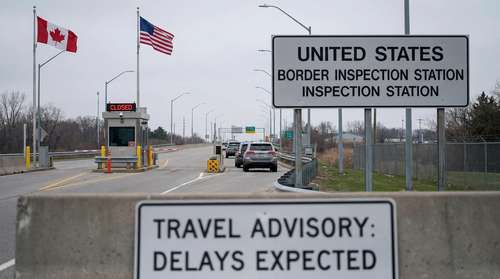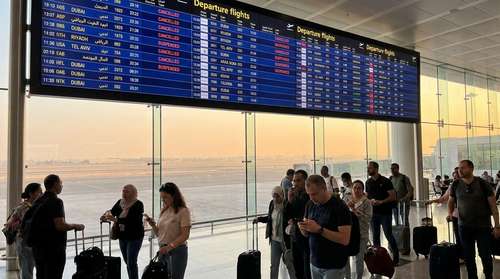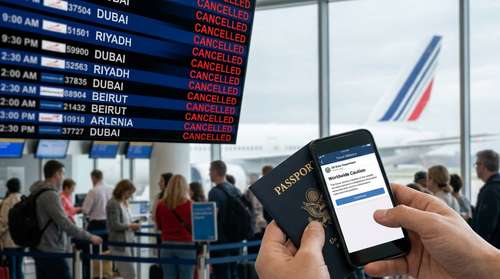
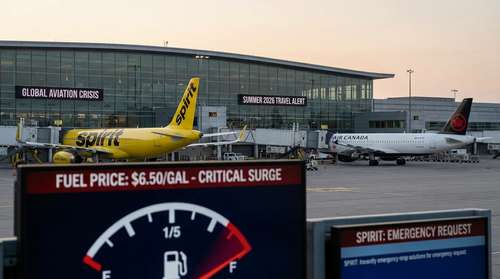
The aviation sector is facing a severe financial reckoning as the jet fuel price travel impact 2026 becomes painfully apparent to operators and passengers alike. Just weeks ahead of the busiest season of the year, requests for Spirit Airlines emergency funding have been submitted to the U.S. federal government. The dramatic appeal comes as skyrocketing operational costs ripple across North America, notably triggering Air Canada JFK flight suspensions. As international conflicts severely disrupt energy supply chains, travelers are bracing for soaring summer travel 2026 flight costs and widespread route cancellations across the globe.
Inside the Spirit Airlines Bailout News
Following a devastating surge in global oil prices, Spirit Airlines has formally approached the Trump administration seeking hundreds of millions of dollars in federal assistance. The carrier, which was already navigating its second Chapter 11 bankruptcy restructuring in a year, is fighting to stave off total liquidation. Creditors have actively questioned the airline's ongoing viability, expressing concern that the discount carrier will be unable to make an upcoming multimillion-dollar debt payment.
Sources indicate that executives representing several low-cost carriers are scheduled to meet with Transportation Secretary Sean Duffy next week to assess the overall health of the domestic market. This budget airline crisis stems directly from geopolitical instability in the Middle East. Following the outbreak of the US-Israel-Iran war in late February, the temporary closure of the Strait of Hormuz sent jet fuel prices spiraling out of control. According to Argus Media data, the spot price for a gallon of jet fuel skyrocketed from roughly $2.50 before the conflict to an astronomical $4.32 by mid-April. For an ultra-low-cost carrier like Spirit, which relies on thin margins and high volume, an overnight doubling of its largest operating expense has proven catastrophic.
Air Canada JFK Flight Suspensions Signal Broader Cuts
Legacy carriers are not immune to these sudden supply shocks. In a move that highlights the severity of the situation, Air Canada announced it will temporarily halt services from Toronto Pearson and Montreal Trudeau to New York's John F. Kennedy International Airport. The Air Canada JFK flight suspensions will take effect on June 1 and remain in place until at least October 25.
Airline representatives explicitly cited the fact that fuel costs have doubled since the onset of the conflict, rendering lower-profit routes economically unviable. While the Canadian flag carrier will continue to operate 34 daily flights to nearby LaGuardia and Newark Liberty airports, the strategic retreat underscores the heavy burden airlines are currently shouldering. Aviation experts note that Air Canada's flights to JFK were primarily intended to provide connections to other international carriers. With a standard long-haul flight from Montreal to the Middle East requiring around 275,000 pounds of fuel, a price jump to $4.60 per gallon adds roughly $30,000 in costs for a single 13-hour leg.
Global Repercussions: The 2026 Aviation Industry News
The latest 2026 aviation industry news paints a grim picture for global connectivity. Beyond North America, European giants are rapidly trimming their networks. Lufthansa recently shut down its regional CityLine subsidiary to ground 27 older, less fuel-efficient aircraft, while KLM has slashed 160 flights from its schedule. In Asia, major carriers including Cathay Pacific and IndiGo have introduced aggressive fuel surcharges, with some per-ticket fee increases reaching up to 174 percent.
The crisis is even threatening domestic stability in some regions. In Africa, the Airline Operators of Nigeria have warned of a nationwide suspension of flights, citing an astronomical and unsustainable 300 percent spike in local aviation fuel prices over a matter of weeks.
Summer Travel 2026 Flight Costs: A Perfect Storm for Passengers
For consumers planning vacations, the financial outlook is equally concerning. Industry analysts estimate that the recent fuel price spike adds approximately $40 to the cost of a short-haul ticket and upwards of $250 for long-haul transatlantic routes. Operators with limited fuel hedges are actively passing these premiums directly onto travelers to remain solvent.
If you are booking flights for the upcoming months, anticipate noticeably higher summer travel 2026 flight costs. Beyond fare hikes, passengers should prepare for unpredictable schedules. The fuel crisis is colliding with severe Transportation Security Administration staffing shortages, creating major logistical hurdles. Officials warn that massive events, such as the upcoming 2026 FIFA World Cup matches in Atlanta, could face severe disruptions as airlines aggressively cut capacity to limit unprofitable flights.
Is Relief on the Horizon?
A glimmer of hope emerged late last week when crude oil prices dropped roughly 10 percent following reports that commercial tankers were once again moving through the Strait of Hormuz. However, aviation experts warn that the complex global supply chain requires significant time to normalize. John Gradek, a faculty lecturer in aviation management at McGill University, noted it will likely take an estimated two months to fully replenish depleted jet fuel reserves across North American and European airports.
Until the fuel supply stabilizes, the threat of further bankruptcies and route contractions remains high. Whether the federal government intervenes with the Spirit Airlines bailout news making headlines remains to be seen, but the current financial turbulence guarantees that the upcoming summer travel season will be heavily impacted.