With just weeks remaining until kickoff, the 2026 FIFA World Cup is facing an unprecedented public health hurdle. In response to a rapidly escalating health emergency in Central Africa, the host nations have drawn a hard line. On Thursday, May 28, the United States, Canada, and Mexico issued a landmark trilateral agreement to implement unified Ebola travel restrictions 2026. The decisive action aims to shield the continent from the Bundibugyo virus strain, which has already claimed hundreds of lives in the Democratic Republic of the Congo (DRC) and neighboring nations.
While the immediate risk to the North American public remains low, the looming influx of millions of global tourists has prompted government officials to prioritize tournament security over standard international health recommendations. The coordinated approach ensures that fans, athletes, and residents remain safe, even as the global health community fiercely debates the necessity of these border closures.
US Canada Mexico Joint Travel Measures
The joint statement released by Global Affairs Canada and its North American counterparts emphasized that protecting the continent during the massive sporting event is their ultimate priority. The US Canada Mexico joint travel measures target individuals traveling from the DRC, Uganda, and South Sudan—the epicenter of the current crisis.
Canadian Health Minister Marjorie Michel directly acknowledged that the upcoming tournament was the driving force behind the severe measures. Beginning May 27, Canada paused the processing of all final immigration and travel documents for foreign nationals from the affected countries for an initial period of 90 days. Furthermore, Canadian citizens and permanent residents returning from these regions must observe a mandatory 21-day quarantine under the Quarantine Act.
Mexico has adopted a similarly cautious stance. Mexican Health Secretary David Kershenovich confirmed tighter airport controls, strongly urging the public to avoid all travel to the DRC while enforcing strict 21-day isolation periods for anyone arriving from the impacted zone. Together, the three nations are presenting a united front to minimize any potential exposure.
CDC Airport Ebola Screening and US Border Controls
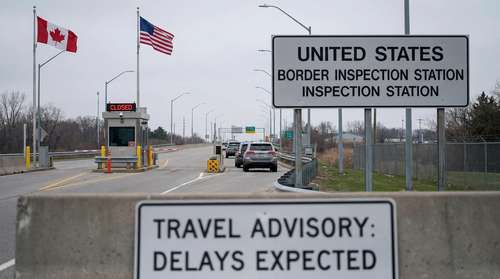
In the United States, federal agencies have mobilized to enact stringent entry bans and health checks. Washington recently prohibited non-citizens who have been in the DRC, Uganda, or South Sudan within the last 21 days from entering the country. The ban was quickly extended to include green card holders, reflecting the severity of the administration's containment strategy.
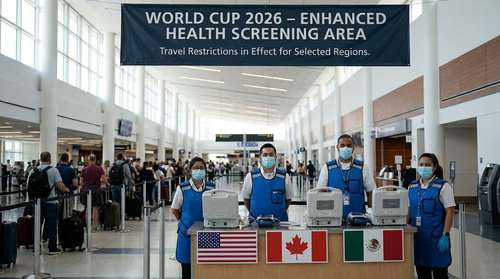
For American citizens and nationals returning home, the Centers for Disease Control and Prevention (CDC) has activated specialized protocols. CDC airport Ebola screening is now fully operational at three major international hubs: Washington-Dulles (IAD), Hartsfield-Jackson Atlanta (ATL), and George Bush Intercontinental in Houston (IAH). Passengers arriving from the at-risk African nations are immediately diverted from standard customs lines.
During these enhanced screenings, CDC personnel evaluate travelers for symptoms such as fever, nausea, or unexplained bleeding. Officials also conduct detailed interviews regarding potential exposure to rural outbreak areas, healthcare facilities, or animal vectors. Houston health officials have publicly reassured residents that these controlled checkpoints are highly effective and essential for keeping the surrounding communities safe during the summer tourism surge.
Balancing Commerce and Containment
Despite the rigid entry barriers, the North American coalition insists that regular travel and commerce across their shared borders will remain uninterrupted. By funneling high-risk travelers through designated airports and standardizing quarantine timelines, officials aim to isolate the threat without paralyzing the continent's vital economic networks.
WHO Pushback on World Cup Tourist Health Protocols
The swift implementation of these policies has not been universally applauded. Following the World Health Organization's May 17 declaration of the Ebola outbreak as a Public Health Emergency of International Concern, the UN agency explicitly recommended against sweeping travel and trade restrictions. WHO experts argue that blanket border closures rarely prevent the spread of infectious diseases and often hinder crucial medical and humanitarian aid from reaching the epicenters.
The Bundibugyo strain has already caused over 1,100 suspected cases and more than 260 deaths in the DRC, spreading steadily into neighboring Uganda. Because there are currently no approved vaccines or targeted treatments for this specific strain, the World Cup tourist health protocols have become a polarizing subject. Infectious disease specialists suggest that rigorous screening upon exit from affected countries is far more effective than blocking immigration wholesale.
However, the Public Health Agency of Canada (PHAC) firmly defended the temporary bans. A spokesperson stated that taking a precautionary approach is entirely justified given the staggering logistical challenges of hosting a massive, multi-city international sporting event where millions will congregate in confined spaces.
Navigating FIFA World Cup Travel Health
For the vast majority of football fans traveling to the matches this June and July, these regulations will require no changes to their itineraries. However, it is vital to remain vigilant. The situation in Central Africa is evolving rapidly, and governments may adjust their border policies if the virus breaches containment lines into other regions.
Travelers should consistently monitor the latest Ebola outbreak travel warnings issued by the US State Department and equivalent international bodies. Those with travel histories involving Central Africa must prepare for potential flight rerouting, mandatory airport health evaluations, and extended isolation periods upon arrival.
As the countdown to the opening match continues, the host nations are signaling that they will take whatever steps necessary to preserve the safety and spectacle of the tournament. The unprecedented alignment of health policies demonstrates just how heavily the shadow of global disease outbreaks factors into the modern realities of FIFA World Cup travel health.