As the lights dim on the Las Vegas Strip, CES 2026 concludes with a clear message: the era of static screens is ending, and the age of "Physical AI" has officially begun. While generative AI dominated headlines in previous years, this week's showcase proved that intelligence is finally putting on work boots. From Samsung's expanding 10-inch pocket cinema to Boston Dynamics' electric gymnast, the CES 2026 highlights paint a future where technology doesn't just process data—it moves, adapts, and physically interacts with our world.
Samsung Galaxy Z TriFold: The New Shape of Productivity
Undoubtedly the star of the exhibition, the Samsung Galaxy Z TriFold secured the coveted "Best of Show" award, validating years of speculation about multi-folding devices. Samsung has moved beyond the simple book-style fold, introducing a dual-hinge mechanism that allows the device to unfurl from a standard 6.5-inch phone into a massive 10-inch tablet. The engineering marvel lies in its "G-shaped" folding technique, where one panel folds in while the other folds out, creating a seamless expansive workspace without the bulk previously feared.
The Samsung Galaxy Z TriFold features are nothing short of overkill for the average user, but a dream for power users. Sporting a Snapdragon 8 Elite chipset and a 5,600mAh split battery system, it manages to run three full-sized apps simultaneously without stuttering. During our hands-on time at the booth, the sheer utility of having a desktop-class interface in a pocketable device was undeniable. However, innovation comes at a premium—with a rumored price tag hovering between $2,500 and $3,000, this is strictly early-adopter territory. Yet, it sets a high bar for what mobile computing should look like in the latter half of the decade.
Boston Dynamics Atlas 2026: The Electric Acrobat
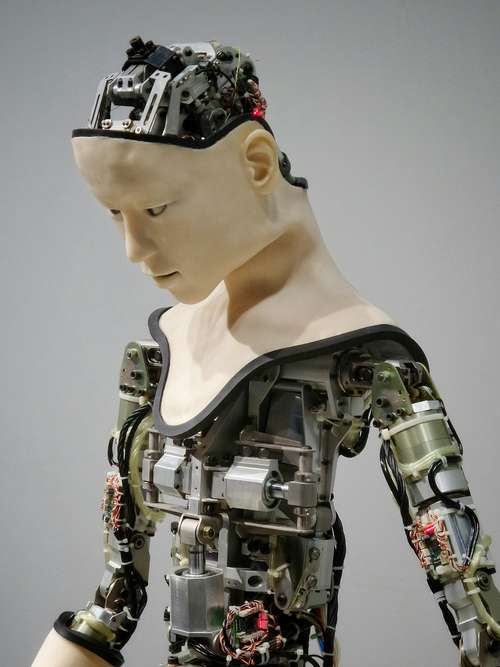
If Samsung won on style, Boston Dynamics won on sheer awe. The fully electric Boston Dynamics Atlas 2026 model has officially retired its hydraulic predecessor, bringing a terrifyingly capable fluidity to humanoid robotics. Gone are the jerky, loud movements of the past; the new Atlas moves with near-silent precision, utilizing 360-degree rotational joints that allow it to swivel and pivot in ways the human body simply cannot.
The demonstration at the Hyundai booth was less of a tech demo and more of a performance. Atlas didn't just carry boxes; it performed complex sorting tasks, corrected its own mistakes, and autonomously swapped its own battery when power dipped low. This reliability is the missing link for industrial automation. By removing the vulnerable hydraulic lines, Boston Dynamics has created a robot that is not just a research project, but a viable factory worker ready for deployment. It is a defining moment for physical AI trends 2026, shifting the conversation from "can robots walk?" to "when do they start?"
LG CLOiD: The Humanoid Butler Arrives
While Atlas aims for the factory, LG is eyeing your living room. The reveal of the LG CLOiD robot marked a significant pivot for the company's "Zero-Labor Home" vision. Unlike the bipedal Atlas, CLOiD opts for a stable wheeled base, prioritizing safety and practical home navigation over terrain agility. Its upper body, however, is fully humanoid, featuring dual 7-DOF arms capable of delicate tasks like loading a dishwasher or folding laundry—a demo that drew consistent crowds throughout the week.
Powered by LG's Q9 AI agent, CLOiD integrates deeply with the ThinQ ecosystem, acting as a mobile commander for your smart home. While the LG CLOiD robot price remains unconfirmed, industry whispers suggest a subscription-based model to lower the upfront hardware cost, making advanced home robotics accessible to a wider demographic. It represents a softer, more approachable side of the robotic revolution, designed to serve as a helper rather than a tool.
Physical AI: The Trend Defining 2026
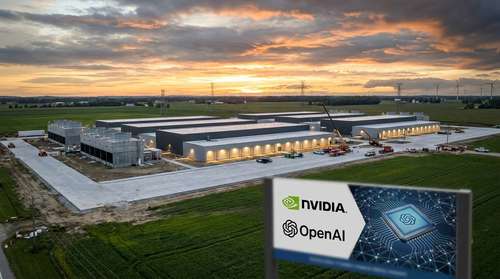
The unifying theme among the Best of CES 2026 winners is the convergence of digital intelligence with physical action. We are seeing the rise of "Physical AI," where digital twins—virtual replicas of physical systems—are used to train robots in simulation before they ever touch a real object. Siemens and NVIDIA showcased factory floors where robots learn remotely, slashing development time and error rates.
This trend extends beyond robots. It's in the software-defined vehicles that adjust their suspension based on road conditions they "see" miles ahead, and in the smart prosthetics that predict user intent. CES 2026 has proven that the next great leap in technology isn't about faster processors or higher resolution screens; it's about breaking the glass barrier and bringing AI into the physical realm to do the heavy lifting—literally.