As the 2026 summer tourism season approaches, a deepening jet fuel shortage 2026 is forcing major international carriers to ground fleets and hike ticket prices. The catalyst is an ongoing blockade at the Strait of Hormuz, cutting off a critical supply artery for the global aviation industry. For passengers expecting a routine getaway, the cascading effect means widespread flight cancellations today and a historic airfare price surge that shows no signs of cooling.
Airline Fuel Crisis News: Down to Six Weeks of Supply
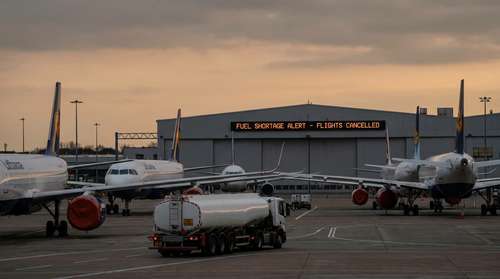
According to the International Energy Agency (IEA), Europe is facing what Executive Director Fatih Birol calls the "largest energy crisis" on record. Current estimates indicate that European airports have barely six weeks of jet fuel remaining. Kerosene-based fuel requires specialized storage, making it much harder to stockpile than standard consumer gasoline. If inventories drop below a critical 23-day threshold, physical shortages will halt departures directly at the tarmac.
Jet fuel accounts for nearly 30% of a carrier's operating expenses, and prices have completely doubled since the conflict in the Middle East escalated in late February. Legacy carriers and low-cost operators alike are trapped. They cannot legally pass on the doubled cost of kerosene to passengers who bought their summer tickets months ago, leaving the airlines to absorb massive financial blows.
Strait of Hormuz Aviation Impact
The root of the supply shock lies in the geopolitical standoff between the U.S., Israel, and Iran. While Iranian officials indicated a willingness over the weekend to let commercial tankers pass, the United States Navy has maintained a strict blockade pending a comprehensive ceasefire agreement.
"The strait accounts for around 40% of Europe's jet fuel imports, but no jet fuel has passed the strait since the war broke out," said Amaar Khan, head of European jet fuel pricing at Argus Media. The sudden closure has stripped the global market of 10 to 15 million barrels of oil per day, leaving refineries scrambling to meet the relentless demands of international transit.
Flight Cancellations Today: Carriers Slashing Routes
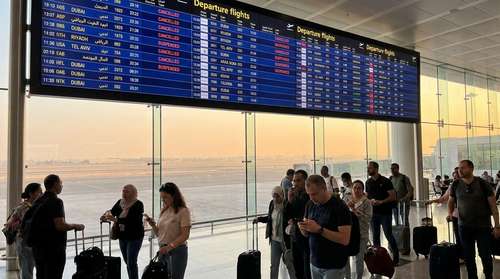
Airlines are no longer just warning about the international travel disruptions—they are actively cutting schedules to survive the financial squeeze. This week, Air Canada suspended six domestic and cross-border routes, explicitly stating that soaring fuel costs made the flights economically unfeasible. Their cuts include halting service from Toronto and Montreal to New York's JFK airport until at least late October.
Across the Atlantic, the reductions are even steeper. Scandinavian Airlines (SAS) axed roughly 1,000 flights for April alone. KLM Royal Dutch Airlines trimmed 160 European flights for the upcoming month, while Germany's Lufthansa accelerated the shutdown of its regional subsidiary CityLine, forcing 27 older, less fuel-efficient aircraft into early retirement. Budget carriers are feeling the burn as well; Wizz Air sank nearly 8% in the stock market Monday after suspending routes to major Middle Eastern hubs and warning of a 50 million euro loss.
Asian carriers are equally exposed to the squeeze. Vietnam Airlines suspended seven domestic routes and warned it could slash its total flight volume by up to 20% in the next quarter if fuel barrels push past the $160 mark. Switzerland's Edelweiss Air abruptly dropped planned routes to Denver and Seattle, citing a combination of lagging demand and brutal operating costs.
Summer Travel 2026 Alerts: The Airfare Price Surge
Travelers immune to canceled routes are instead getting hit directly in the wallet. The supply constraints have triggered a massive airfare price surge, with U.S. carriers hiking fares on select long-haul routes by 10% to 50%. EasyJet warned investors on Thursday to expect a pretax loss stretching up to 560 million pounds ($758 million) for the first half of the 2026 fiscal year, despite historically strong passenger demand during the Easter holiday.
Aviation consultants warn that the disruption will outlast any immediate political resolution. "The reality is that this is not a days or weeks issue. It's a months and a years issue," noted Richard Mann of R.W. Mann & Co. "There will be some disruption. There is just a question of how much".
While European and Asian hubs are bearing the brunt of the immediate physical fuel shortage, North American travelers are hardly insulated. Delta Air Lines noted it is monitoring the European supply closely but doesn't expect near-term operational impacts at its own domestic hubs. However, the interconnected nature of global aviation means a grounded flight in Frankfurt or Amsterdam quickly cascades into missed connections in Atlanta or Chicago.
What Travelers Can Do During the Airline Fuel Crisis
With the airline fuel crisis news worsening by the day, proactive planning is no longer optional for international flyers. Industry experts recommend taking immediate steps to protect your itinerary. First, prioritize direct flights whenever possible. The fewer layovers you have—especially in heavily impacted European transit hubs like Amsterdam or Frankfurt—the lower your risk of getting stranded due to a sudden fuel shortage.
Second, invest in comprehensive travel insurance that explicitly covers carrier-initiated cancellations and geopolitical disruptions. Since airlines are citing external geopolitical forces rather than mechanical failures, securing standard compensation for stranded passengers may prove legally complex. Finally, build flexibility into your arrival dates and budget for elevated auxiliary fees, as desperate carriers look to offset their kerosene expenses through higher baggage and seat selection charges.