
The escalating geopolitical conflict in the Middle East took an unexpected diplomatic turn on Monday, July 27, 2026, triggering an immediate market reaction as global oil prices drop by more than 7%. Following two weeks of intense airstrikes and retaliatory military posturing, the United States and Iran have mutually suspended hostilities. This sudden pause to allow room for ceasefire negotiations has fundamentally shifted market sentiment. The decision has unblocked a critical diplomatic logjam, easing widespread anxiety over a protracted conflict and immediately cooling an overheated commodity market that had threatened the broader global economy.
Brent Crude Price Decline Shakes Energy Markets
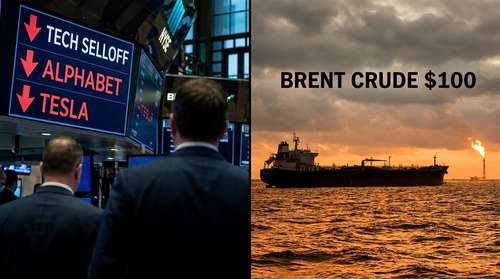
The international energy markets experienced a dramatic and rapid sell-off early Monday morning. As traders digested the news of the temporary truce, the Brent crude price decline saw contracts tumbling past key psychological support levels. Reversing weeks of aggressive gains that had recently pushed futures near the triple-digit mark, Brent slid below $90 a barrel, settling near $87.34. Market participants who had priced in a severe disruption to Middle Eastern output rapidly unwound their long positions.
WTI Oil Price Drop Follows Suit
The domestic United States market mirrored this aggressive bearish momentum. The resulting WTI oil price drop pulled West Texas Intermediate down sharply, reaching approximately $84.40 per barrel by midday trading. Energy analysts note that the geopolitical premium—which had inflated barrel prices by nearly $15 over the past two weeks—began evaporating the moment administration officials confirmed the temporary halt in airstrikes. With speculators stepping back, the immediate fear of a broader regional war that could severely throttle international supply has been sidelined, at least temporarily.
Strait of Hormuz Shipping and the Middle East Energy Crisis
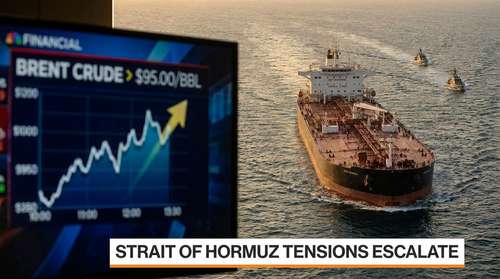
At the heart of the recent market panic is the operational status of the Strait of Hormuz. Over the past month, the escalating Middle East energy crisis effectively paralyzed one of the world's most vital maritime chokepoints. Transporting roughly 20 million barrels of crude daily, representing approximately 25% of global seaborne oil trade, the strait became a central flashpoint in the military standoff.
During the height of the recent hostilities, commercial shipping faced an impossible operating environment. Daily transit numbers plummeted dramatically, dropping from a baseline of over 60 vessels to fewer than ten ships navigating the corridor on peak conflict days. Commercial operators faced skyrocketing insurance premiums, direct physical threats, and alleged mine deployment, prompting massive rerouting efforts.
The current ceasefire framework heavily emphasizes securing these maritime routes. If the diplomatic memorandum holds, analysts expect a swift resumption of regular Strait of Hormuz shipping, eliminating the worst-case scenario of a prolonged global supply shock. Restoring this trade flow is essential for regional stability and international energy security.
US Iran Peace Talks Provide Diplomatic Relief
The pivot from kinetic strikes to the negotiating table represents a crucial diplomatic breakthrough for the region. Regional partners, specifically Qatar and Oman, have stepped in as central mediators. These nations facilitated the initial framework that brought both Washington and Tehran to a temporary halt in fighting over the weekend. The emerging US Iran peace talks are slated to address immediate de-escalation measures.
- Naval De-escalation: Rolling back blockades and restoring safe transit corridors for commercial tankers.
- Air Campaign Suspension: Formalizing the halt of drone and missile exchanges across territorial borders.
- Economic Stabilization: Evaluating the temporary lifting of specific maritime sanctions to encourage diplomatic progress.
While both sides maintain entrenched negotiating positions, the mere willingness to pause airstrikes suggests a mutual recognition of the devastating economic and political costs of a wider war. Markets are currently pricing in a cautious optimism that this temporary ceasefire could evolve into a binding resolution, though regional specialists warn that the path to a formalized agreement remains fraught with decades of historical distrust.
How Inflation and Oil Prices Impact the Global Economy
The rapid deflation of energy costs is delivering an immediate psychological boost to global equities. A massive relief rally swept through Wall Street, European bourses, and Asian markets on Monday, as institutional investors recalculated the macroeconomic outlook. The correlation between inflation and oil prices cannot be overstated; the recent spike in crude had threatened to unravel months of central bank progress in containing consumer prices across Western economies.
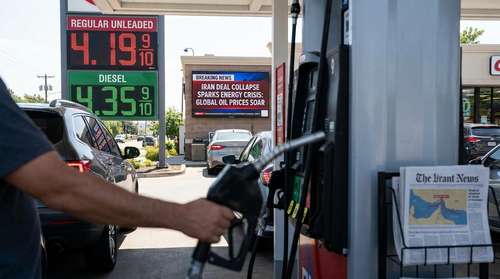
When global oil prices drop this sharply, the immediate threat of a secondary inflation wave diminishes. Reduced fuel and logistics costs take the pressure off manufacturers, supply chains, and everyday consumers at the gas pump. If crude can stabilize in the $80 range, central banks—including the Federal Reserve—gain significant breathing room to hold or even lower interest rates in the upcoming fall quarters. While the geopolitical landscape remains incredibly fragile, today's diplomatic pause has temporarily pulled the global economy back from the brink of a severe, energy-driven recession.