The official Memorial Day 2026 travel forecast is here, and it reveals a startling paradox: Americans refuse to stay home. Despite severe economic headwinds, AAA projects a staggering 45 million people will travel at least 50 miles from home between Thursday, May 21, and Monday, May 25. This record-breaking figure edges past 2025's 44.8 million travelers, showcasing an unyielding demand for getaways. Yet, this domestic travel boom collides with unprecedented industry turmoil. Travelers are steering straight into a storm of soaring fuel costs, widespread aviation disruptions, and the ripple effects of international conflict.
Record AAA Road Trip Statistics Amidst Fuel Shocks
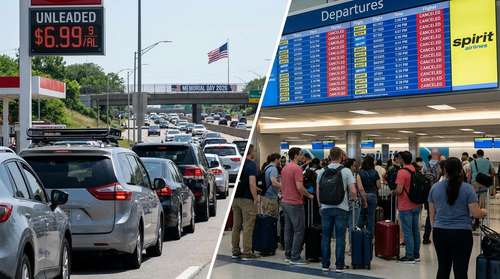
For the vast majority of vacationers, the highway remains the primary route to relaxation. The latest AAA road trip statistics indicate that 39.1 million Americans will drive to their holiday destinations, representing 87 percent of all travelers this weekend. This massive migration comes with a steep price tag. Anyone hitting the road must confront the harsh reality of gas prices May 2026. Currently hovering around $4.55 per gallon nationally, fuel costs have surged dramatically since the year began. A family driving a typical 600-mile round trip in a vehicle averaging 25 mpg will consume roughly 24 gallons—a significant and unavoidable hit to the household budget.
What is driving this pain at the pump? The Iran conflict travel impact cannot be overstated. Following weeks of blockades and recent military clashes in the Strait of Hormuz, global crude oil supplies have tightened considerably. The recent Project Freedom initiative to guide commercial vessels through the contested waterway has placed the fragile US-Iran ceasefire under extreme duress. Energy analysts warn that if the geopolitical friction continues without diplomatic resolution, a national average of $5 per gallon could be locked in within weeks. Still, drivers are simply absorbing the costs. Many are adjusting their dining and lodging budgets rather than canceling their well-earned time away. Interestingly, car rental prices offer a slight reprieve, running about 1 percent cheaper than last year, with high demand concentrated in markets like Orlando, Las Vegas, and Denver.
Aviation Industry Turmoil and the Spirit Airlines Shutdown News
While drivers face expensive fill-ups, flyers face a structurally damaged airline industry. Approximately 3.66 million Americans plan to fly this Memorial Day, but they are navigating skies that are far less friendly and considerably more expensive. The biggest shockwave hit the sector on May 2, 2026, when budget carrier Spirit Airlines officially ceased operations. Battered by high energy prices and the blocked 2024 merger with JetBlue, the airline simply ran out of runway.
The Spirit Airlines shutdown news dominated headlines as the company laid off nearly 5,000 workers and permanently closed facilities at major hubs, including Fort Lauderdale, Orlando, and Atlanta. The closure even left smaller regional hubs, such as Arnold Palmer Regional Airport in Pennsylvania, entirely without commercial air service. Without Spirit's signature canary-yellow planes and budget-friendly fares keeping competitors in check, average ticket prices have spiked. Aviation analytics show that airfares climbed 23 percent almost immediately in markets where Spirit previously operated. Passengers looking for last-minute flights are finding that the $800 average round-trip domestic ticket—a figure calculated before the worst of the fuel spikes—is now a relic of the past.
How Jet Fuel Crisis Flight Cancellations Are Reshaping Travel
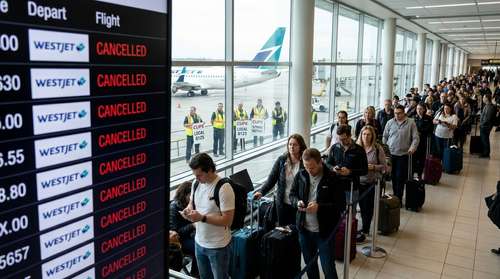
The collapse of a major airline is only part of the equation. The broader jet fuel crisis flight cancellations are compounding the misery for passengers. The same Middle East tensions driving up automotive gas have sent aviation fuel costs into the stratosphere. Airlines, operating on razor-thin margins, are thinning their schedules and consolidating routes to survive the financial squeeze.
Passengers holding tickets on legacy carriers should prepare for crowded cabins, overbooked flights, and a heightened risk of delays. The industry is frantically scrambling to absorb displaced Spirit customers while managing escalating operational costs. Customer satisfaction metrics across the aviation sector are expected to be severely tested as irregular operations and sudden schedule changes become the norm.
Summer Vacation Trends 2026: What Travelers Should Expect
This Memorial Day serves as a critical bellwether for broader summer vacation trends 2026. The data points to a season characterized by travel resilience mixed with strategic, defensive budgeting. Consumers are fiercely protecting their leisure time, prioritizing experiences over physical goods, even when the logistical hurdles are daunting. With an additional 2.2 million people opting for alternative transport like buses, trains, and cruises, the sheer volume of movement is staggering.
If you are among the millions packing your bags this holiday weekend, preparation is your best defense against the chaos. Drivers should map out gas stations utilizing fuel-price tracking apps to find regional deals before crossing state lines. Flyers need to arrive at the airport earlier than usual, download their carrier's mobile app for real-time boarding updates, and pack endless patience. The 2026 travel landscape is undoubtedly fractured, yet the fundamental American drive to explore remains entirely intact.