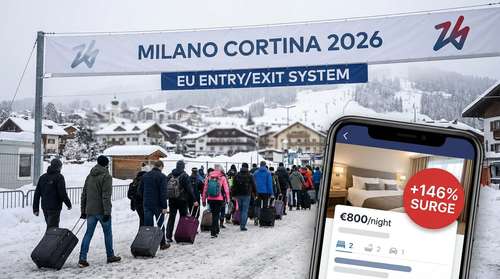
MILAN, Italy – The wait is finally over. As the sun sets over the San Siro Stadium tonight, the 2026 Winter Games opening ceremony will officially launch the XXV Olympic Winter Games. But for the estimated one million visitors descending upon Northern Italy, the "Armonia" (Harmony) theme of tonight's show stands in stark contrast to the chaotic reality on the ground. Travelers are navigating a perfect storm of logistical hurdles, from a staggering Winter Olympics hotel price surge to confusing new digital border checks.
Sticker Shock: The 146% Accommodation Surge
While excitement builds for the performances of Mariah Carey and Andrea Bocelli at tonight's ceremony, many attendees are still reeling from the cost of their stay. Data released this week confirms what many budget-conscious travelers feared: accommodation rates have shattered records.
Reports indicate that nightly rates across the host regions have spiked dramatically, with the sharpest increase projected for February 13—the middle of the games—where prices are up a verified 146% compared to non-Olympic years. In Milan alone, average room rates for the opening weekend have jumped 119%, with many standard four-star hotels commanding over €400 per night.
The situation is even more acute in the mountain clusters. Last minute Olympic accommodation is virtually nonexistent in Cortina d'Ampezzo, where luxury stays have soared to over €7,500 for a three-night block. Surprisingly, the remote alpine town of Livigno has emerged as one of the costliest destinations for spectators, challenging the assumption that staying further afield would save money.
EES Confusion and Border Bottlenecks
Getting a room was hard; getting into the country has proven harder for some. The rollout of the European Entry/Exit System delays has become a major talking point among international arrivals. Although the EU Commission recently floated extending the full implementation deadline to avoid summer chaos, partial activations and "soft launches" at key entry points have created bottlenecks.
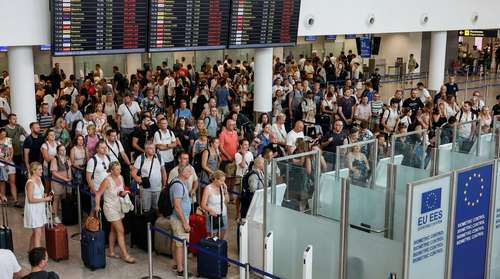
Travelers arriving via Switzerland to reach the alpine venues reported significant queues at Geneva Airport earlier this week, with processing times stretching up to four hours for non-EU nationals. The new biometric kiosks, designed to replace manual passport stamping, have struggled to handle the sudden influx of Olympic traffic. "It was a digital parking lot," said Sarah Jenkins, a Canadian spectator who arrived on Tuesday. "We missed our connecting train to Milan because the facial scan line wasn't moving."
A Logistical Puzzle: Transport and Italy Flight Capacity 2026
This year's games are unique in their geography, spread over 22,000 square kilometers across Lombardy, Veneto, and Trentino. This "multi-hub" model is testing Italy flight capacity 2026 to its limits. Flight bookings to Milan and Venice are up 160% compared to last winter, forcing airports to impose strict slot restrictions.
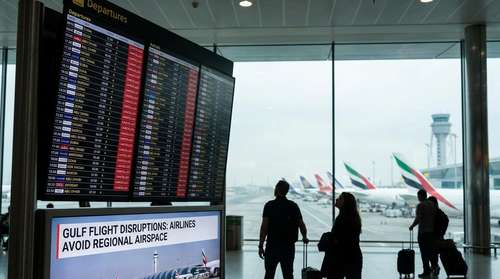
Milan Linate and Malpensa airports have moved to an authorization-based access system for the duration of the games, severely limiting private aviation and unscheduled charters. For attendees relying on public transport to move between the ice events in Milan and the snow events in the Dolomites, the weather is the final variable. Heavy snowfall in the Alps is currently forecasted for the opening weekend, potentially complicating the five-hour overland transfer to Cortina.
Venice Tourism Impact 2026: New Rules in Effect
Venice, serving as a key secondary hub for the games, is simultaneously grappling with its own battle against overtourism. Visitors taking a day trip to the lagoon city between events are encountering strict new municipal regulations. The city has fully enforced its ban on tour groups larger than 25 people and prohibited the use of loudspeakers by guides.
Furthermore, the Venice tourism impact 2026 strategy includes a mandatory access fee for day-trippers, a system that was tested in previous years but is now fully operational and rigorously enforced during the Olympic window. Travelers hoping to squeeze in a gondola ride before the closing ceremony in Verona should book their access codes days in advance to avoid fines.
Milan-Cortina 2026 Travel Tips for Late Arrivals
For those still en route or planning a last-minute trip, flexibility is key. Here is essential advice for navigating the next two weeks:
- Download Official Apps: Use the official transport app to track real-time train delays between Milan and the mountain clusters.
- Carry Paper Backups: With EES systems under strain, having printed copies of travel documents and accommodation confirmations can speed up manual checks if digital systems fail.
- Look South for Beds: With Milan and Cortina sold out, consider staying in Verona or Brescia, which offer high-speed rail connections to the main event hubs at a fraction of the price.