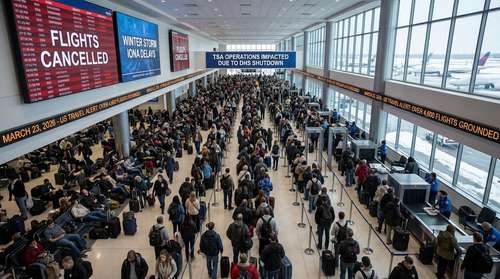
The Spring Break 2026 flight cancellations have officially reached a breaking point. What was supposed to be the season's busiest travel window has devolved into unprecedented chaos across the United States. A devastating trifecta—a bitter partial Department of Homeland Security shutdown, mass Transportation Security Administration (TSA) absenteeism, and the punishing arrival of Winter Storm Iona—has grounded over 4,600 flights in just 48 hours. Major hubs are completely gridlocked, leaving hundreds of thousands of travelers stranded in terminal corridors, sleeping on floors, and desperate for answers.
For families trying to escape on vacation, the reality at the gates is grim. Wait times are stretching well beyond two hours at security checkpoints, baggage claims are overflowing with unclaimed luggage, and immediate rebooking options are virtually non-existent.
The DHS Shutdown Travel Impact Reaches Critical Levels
The bureaucratic standoff in Washington has real-world consequences playing out right now in terminal concourses. Since the congressional dispute over the DHS budget began on February 14, front-line aviation security personnel have been caught in the crossfire. The DHS shutdown travel impact hit a fever pitch this week as TSA officers faced their first fully missed paychecks.
Financial hardship is driving severe staffing shortages across the aviation sector. Sick calls have skyrocketed as unpaid agents are forced to secure second jobs or simply cannot afford the fuel to commute to work. The situation has become so dire that local food banks in major metro areas have begun organizing emergency distributions specifically to support the very workers tasked with keeping American skies safe. Community outreach programs are setting up pop-up pantries near airport employee parking lots, distributing basic staples to screeners who are struggling to feed their families while reporting for mandatory shifts.
Atlanta Airport Security Lines and Nationwide Checkpoint Chaos
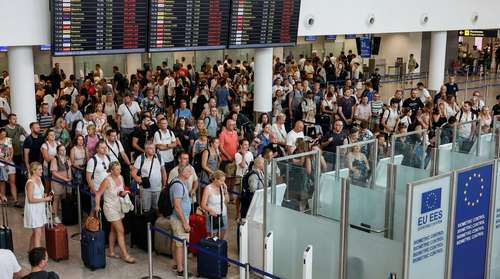
Travelers brave enough to weather the storm are colliding with historic TSA wait times today. The staffing collapse is most visible at massive connecting hubs. Atlanta airport security lines have swelled to unmanageable lengths, with delays regularly topping two hours at domestic checkpoints. At Hartsfield-Jackson, wait times over the last few days have spiked by more than 220% compared to typical Sundays earlier this year. Checkpoint bottlenecks are cascading into the concourses, creating massive logistical hurdles for airlines trying to board planes that are already significantly delayed by the winter freeze.
Similar scenes are unfolding at New York's JFK and Fort Lauderdale-Hollywood International Airport. Snaking queues of frustrated vacationers are wrapping around ticket counters and spilling out toward baggage claim areas. With fewer lanes open and passenger volume surging for the holiday, security infrastructure simply cannot keep pace with the seasonal demand. The TSA's PreCheck lanes, usually a reliable shortcut for frequent flyers, are experiencing unprecedented congestion as staffing reallocations force airport authorities to consolidate passenger screening points.
Spirit Airlines Bankruptcy Updates Compound the Crisis
Securing a seat on a different flight is normally the default fallback when severe weather hits. That safety net is practically gone. The latest Spirit Airlines bankruptcy updates reveal a carrier aggressively downsizing to survive. Following its second Chapter 11 filing late last year, the ultra-low-cost airline announced plans just days ago to shrink its fleet from over 200 aircraft to fewer than 80 jets.
This massive fleet reduction removes crucial capacity from the domestic market just when stranded passengers need it most. Budget travelers seeking last-minute rebookings out of Fort Lauderdale or Orlando are finding empty flight schedules. Larger legacy carriers, already overwhelmed by the 4,600+ cancellations triggered by Winter Storm Iona, have no remaining inventory to absorb the overflow. The sudden drop in available budget fares means that families desperately trying to buy walk-up tickets on alternative airlines are facing sold-out cabins across the board.
Navigating the Storm: US Travel News March 2026
If you are scheduled to fly this week, aggressive preparation is your only defense against the gridlock. Monitoring your Winter Storm Iona flight status should be done hourly before you even leave for the airport. Airlines are actively issuing travel waivers, allowing passengers to rebook without penalty, but getting through to customer service hotlines currently requires a wait of several hours. The freezing rain and heavy snowfall blanketing crucial air traffic corridors are expected to persist through tomorrow, meaning the ripple effects will disrupt routing networks through the weekend.
Aviation experts dominating US travel news March 2026 segments are issuing stark advice: arrive at least three to four hours early for domestic departures. With the current security bottleneck, a standard two-hour buffer will almost certainly result in a missed flight. Furthermore, travelers should pack essential medications and snacks in their carry-on luggage, as airport concessions are facing their own supply chain hiccups and massive lines.
The aviation system is buckling under the weight of political stalemates, severe weather, and corporate restructurings. Until the DHS secures funding and the ice thaws, American travelers are left navigating one of the most hostile Spring Break environments in modern commercial aviation history.