The global economy received a much-needed lifeline on Tuesday, April 14, 2026, as oil prices today retreated from their historic highs following a major geopolitical breakthrough. Wall Street and international exchanges recorded a widespread global market rally after reports confirmed that a second round of diplomatic negotiations between Washington and Tehran is imminent. This potential de-escalation offers a critical reprieve from the crippling fuel inflation news that has defined the first quarter of the year. Investors and everyday consumers alike are now watching closely, hoping that these renewed diplomatic efforts will finally resolve the ongoing Strait of Hormuz oil crisis and stabilize an increasingly fragile global economy.
Navigating the Strait of Hormuz Oil Crisis
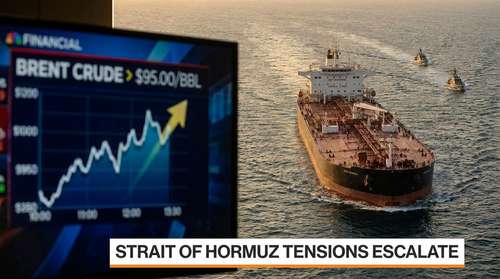
For the past six weeks, the Strait of Hormuz oil crisis has dominated headlines and boardroom discussions around the world. This 21-mile-wide chokepoint, which traditionally processes nearly 20% of the world's daily oil supply—amounting to roughly 20 million barrels—has been heavily restricted by military blockades and escalating conflict. After traffic collapsed in late February, shipping insurance premiums skyrocketed, forcing many commercial tankers to halt operations or take the costly detour around the Cape of Good Hope.
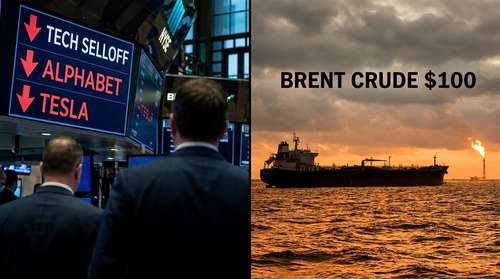
In response to the crisis, crude benchmarks surged past $120 and temporarily threatened the catastrophic $150 per barrel mark, triggering a wave of energy-driven inflation. The White House even introduced an unprecedented $20 billion federal maritime insurance program designed to coax tankers back into the contested waters. However, the real catalyst for today’s market optimism isn't just financial intervention—it's the tangible progress seen in the US-Iran peace talks.
Inside the US-Iran Peace Talks
Diplomatic efforts to restore stability have been nothing short of grueling. After an initial round of high-stakes negotiations in Islamabad—mediated by Pakistani officials—ended without a comprehensive agreement, fears of a broader regional conflict loomed. However, both sides have demonstrated a willingness to keep the dialogue alive. Key figures, including U.S. Vice President J.D. Vance and Iranian Foreign Minister Abbas Araghchi, have reportedly signaled that enough common ground was established to warrant further discussions.
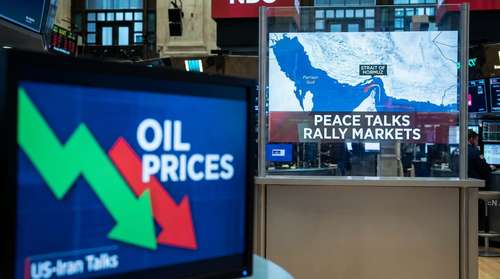
With the current two-week temporary ceasefire slated to expire on April 21, urgency has reached a fever pitch. Sources suggest that the next round of US-Iran peace talks could take place in Geneva later this week. The primary demands on the table include the complete reopening of the Strait of Hormuz and long-term resolutions regarding Iran's nuclear program. The mere announcement of these impending talks was enough to spark the global market rally, driving up the Dow Jones and stabilizing international crude benchmarks.
Rebuilding the Energy Supply Chain 2026
The disruptions of early 2026 have exposed severe vulnerabilities in global logistics. As policymakers and corporate leaders review the latest business market updates, a major theme has emerged: the urgent need to overhaul the energy supply chain 2026. The crisis has not only impacted traditional fossil fuels but has also forced a reckoning regarding alternative energy investments.
One unexpected geopolitical shift involves China's strategic maneuvering. Reports indicate that Chinese-owned vessels were granted selective access through the strait during the height of the blockade, giving Beijing a temporary but significant advantage as the world's largest oil importer. This dynamic has added another layer of complexity to the energy supply chain 2026, forcing Western nations to reconsider their reliance on vulnerable maritime routes.
While oil markets panicked, renewable energy sectors experienced a surprising boom. European nations with robust wind and solar infrastructure, such as Denmark, managed to shield their populations from the worst of the energy shock. Consequently, renewable energy stocks like Vestas, GE Vernova, and First Solar have seen significant gains. Analysts predict that even if the strait fully reopens, the push to diversify energy infrastructure will accelerate aggressively to prevent future economic blackmail.
Fuel Inflation News and What to Expect Next
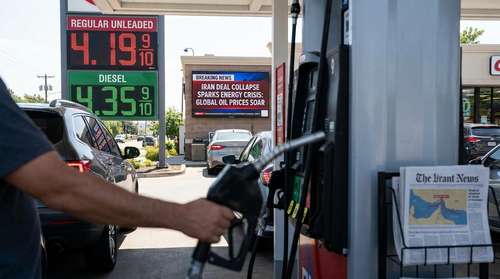
For everyday consumers, the immediate concern remains the cost of living. The sudden onset of the conflict caused U.S. domestic gas prices to jump from under $3.00 to roughly $3.45 per gallon almost overnight. This spike triggered a cascade of negative fuel inflation news, raising the costs of logistics, groceries, and consumer goods across the board.
Financial institutions are closely monitoring these developments. Today's business market updates reflect a surge in consumer discretionary stocks and transportation indices, both of which had been heavily battered by the threat of sustained inflation. Airlines, shipping giants, and logistics firms led the charge in Tuesday's trading session, riding the wave of optimism generated by the diplomatic pivot.
Fortunately, oil prices today are finally showing signs of cooling off. If the upcoming Geneva negotiations yield a permanent ceasefire and successfully reopen the critical shipping lanes, economists anticipate a rapid correction in energy markets. Conversely, if talks break down before the April 21 deadline, the current global market rally could easily collapse, sending prices back toward record highs.
As global leaders brace for the coming days, the stakes couldn't be higher. The resolution of this standoff will dictate the trajectory of global commerce for the remainder of the decade. For now, the markets watch and wait, banking on diplomacy prevailing over devastation.