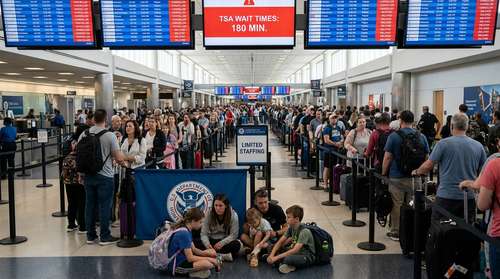
A historic crisis is unfolding at U.S. airports this week as a projected 171 million Spring Break travel 2026 passengers collide with a crippling Department of Homeland Security (DHS) government shutdown. The resulting perfect storm has triggered massive flight delays, unprecedented security queues, and mounting frustration for flyers across the nation. With essential personnel missing paychecks and global energy markets reeling from international conflicts, the aviation system is buckling under the pressure.
The Government Shutdown Travel Impact on Record Airport Crowds
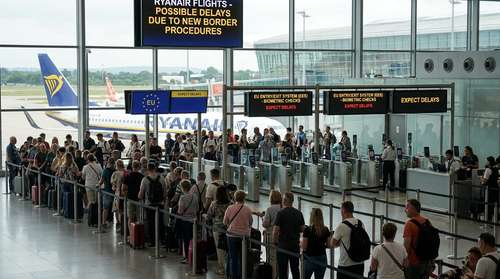
The partial DHS shutdown, which began on February 14, has decimated airport screening operations nationwide. Transportation Security Administration officers are classified as essential workers, requiring them to report for duty without pay. The financial strain has reached a breaking point. Since the lapse in funding started, over 400 TSA officers have resigned, and absentee rates are skyrocketing across major hubs.
During a March 22 appearance on ABC's "This Week," Transportation Secretary Sean Duffy warned that the situation will deteriorate further as the next missed payday approaches this Friday. The starting salary for many of these officers hovers around $50,000, making it nearly impossible to endure prolonged periods without income in major metropolitan areas. This TSA staffing shortage news translates directly into a painful reality for passengers: fewer open security lanes precisely when record airport crowds demand maximum capacity.
The economic fallout is also compounding. The U.S. Travel Association previously noted that extended government shutdowns can drain billions from the travel economy, heavily penalizing airlines, hotels, and local businesses that rely on smooth passenger flow. When travelers face unpredictable chaos, consumer confidence in the aviation network plummets.
TSA Wait Times Today: Which Airports Are Hit Hardest?
If you are flying out of a major hub this week, checking TSA wait times today is no longer optional—it is a mandatory survival tactic. The cascading effects of sickouts and resignations have pushed security lines to the brink.
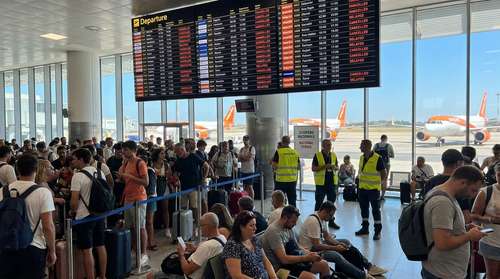
At Atlanta Hartsfield-Jackson International Airport, internal absentee data revealed that over 37% of TSA screeners called out earlier this week. Standard security lines at the world's busiest airport have routinely stretched past the two-hour mark, with some peak periods hitting 120 to 180 minutes. The chaos is equally severe in New York and Texas. At LaGuardia's Terminal A, standard screening queues surged past 40 minutes before sunrise. Meanwhile, Houston airports saw staggering call-out rates, prompting officials to deploy ICE agents to local terminals to assist with general operational support.
Survival Tactics for the Week Ahead
Airlines and local port authorities have overhauled their standard guidance. Passengers without PreCheck are now universally urged to arrive at least three to four hours before domestic departures and up to five hours for international routes. Missing your flight due to security bottlenecks is a real threat, as gate agents cannot hold aircraft for delayed screeners.
Jet Fuel Price Spike Forces Flight Cancellations March 2026
The misery on the ground is compounded by a secondary crisis in the skies. A severe jet fuel price spike linked to ongoing military conflicts in the Middle East and attacks on oil infrastructure near the Strait of Hormuz has thrown airline balance sheets into turmoil. Global average jet fuel prices recently surged past $175 per barrel, nearly doubling the rates seen at the start of 2026.
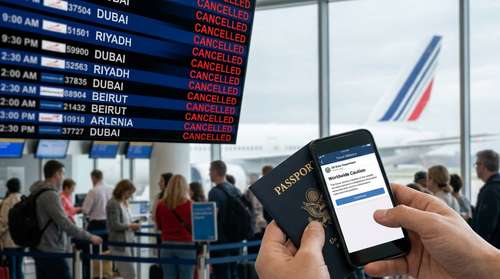
In response to soaring operating costs, carriers are scrambling to adjust. Many international airlines, including Air France-KLM and Air India, have already implemented fuel surcharges ranging from $50 to $57 on long-haul routes. Domestic airlines are taking a different approach by quietly raising base fares and actively reducing capacity. This capacity reduction is driving a wave of flight cancellations March 2026 travelers are currently navigating. Airlines are consolidating half-empty flights to conserve expensive fuel, leaving stranded passengers with very few rebooking options due to the peak holiday demand. The combination of grounded flights and massive spring break volumes—further inflated by events like the NCAA March Madness tournament—has removed almost all the slack from the system.
How to Protect Your Spring Break Getaway
Navigating this unprecedented travel environment requires extreme patience and proactive planning. To minimize your exposure to the ongoing meltdown, adhere to these strategies:
- Track your flight relentlessly: Monitor your airline's app for last-minute equipment changes or cancellations. Fuel-related consolidations often happen 12 to 24 hours before departure.
- Arrive earlier than ever: Treat the recommended three-hour arrival window as a hard rule, not a suggestion. The unpredictable nature of the government shutdown travel impact means a checkpoint that took 15 minutes yesterday could take two hours today.
- Pack light and fly direct: Checked bags are highly vulnerable to delay during staffing shortages. Whenever possible, carry your luggage and book nonstop flights to eliminate the risk of missing tight connections.
Until lawmakers in Washington resolve the DHS funding lapse and energy markets stabilize, the 2026 spring break season will remain a true endurance test for American travelers.