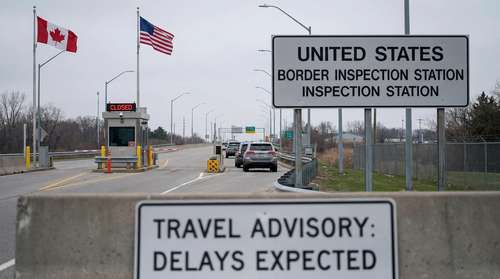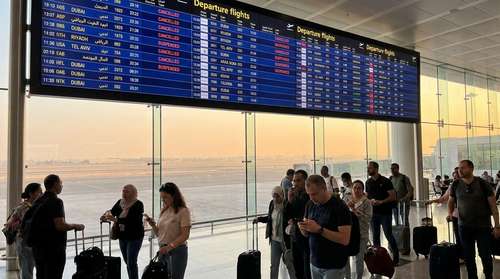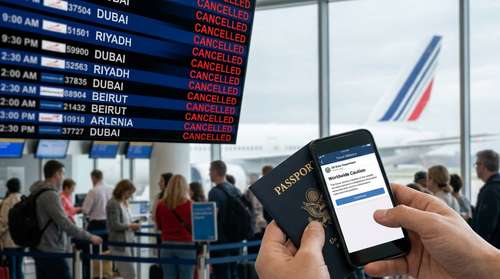
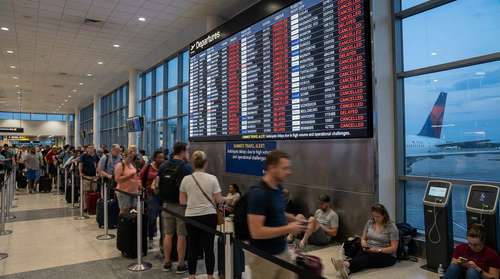
The post-holiday rush has officially collided with global sporting events and international aviation bottlenecks, resulting in unparalleled summer flight cancellations 2026. If you are stuck in an airport terminal today, you are far from alone. Millions of domestic and international travelers are currently navigating a historic logistical nightmare. A perfect storm of overlapping mega-events—ranging from the aftermath of the United States Semiquincentennial to the knockout stages of the FIFA World Cup—has severely paralyzed global air travel networks.
The Perfect Storm: America 250 Travel Delays Meet World Cup Crowds
The first week of July is traditionally a heavy travel period, but this year's passenger volume has shattered previous records. As the historic July 4th celebrations wrap up, a massive wave of America 250 travel delays is rippling across the nation. Record-breaking crowds who flocked to Washington D.C. for the Freedom 250 events and New York Harbor for the International Naval Review are now rushing home simultaneously.
Compounding this post-holiday exodus are severe World Cup 2026 flight disruptions. With the tournament entering its critical quarter-final stages, hundreds of thousands of international soccer fans are migrating between North American host cities. The logistical strain of moving teams, media, and fans from the West Coast back toward the East Coast ahead of the July 19 final at New York New Jersey Stadium has overwhelmed domestic carriers. Weather patterns have not cooperated either, with heavy summer thunderstorms grounding planes and displacing crews across the Midwest and Eastern Seaboard.
European Airspace Meltdown 2026: The Transatlantic Bottleneck
While North American airports struggle with sheer passenger volume, the situation overseas is entirely systemic. The European airspace meltdown 2026 stems from a combination of labor disputes, air traffic control capacity limits, and new technological friction at the borders.
The EU Entry/Exit System Factor
The European Union's new biometric Entry/Exit System (EES) became fully operational on April 10, 2026. This July marks the system's first peak summer stress test, and the results have been turbulent. Because the EES requires facial and fingerprint scans for non-EU nationals rather than traditional passport stamping, border processing times have noticeably increased. Travelers missing their connecting flights due to passport control queues have caused airlines to hold outbound aircraft, triggering a cascading delay effect that eventually hits inbound flights from the Americas.
Add in rolling strikes by European air traffic control unions demanding better staffing ratios, and you get a heavily restricted airspace where daily cancellations are the norm rather than the exception.
Ground Zero: Airport Delays Reagan National Newark
Certain major hubs are bearing the brunt of this historic congestion. When analyzing the most severe airport delays, Reagan National, Newark, and JFK consistently top the charts this week.
At Ronald Reagan Washington National Airport (DCA), the fallout from the America 250 celebrations remains palpable. Special airspace restrictions implemented over the National Mall for the world's largest fireworks display and military flyovers temporarily reduced arrival and departure slots. The airport is still working through a massive backlog of displaced aircraft and rested crews.
Meanwhile, Newark Liberty International Airport (EWR) is caught in a dual squeeze. As a primary gateway for transatlantic flights, it is absorbing the shockwaves of the European airspace meltdown 2026. Simultaneously, it serves as the main entry point for fans arriving for the upcoming World Cup Final in East Rutherford. Baggage system overloads, gate shortages, and tarmac delays have left thousands sleeping on terminal floors.
Protecting Your Flight Cancellation Compensation Rights
With airlines scrambling to recover, passengers must be proactive. Understanding your flight cancellation compensation rights is your best defense against unexpected out-of-pocket expenses.
- U.S. Department of Transportation Rules: If an airline cancels your flight for any reason and you choose not to travel, you are legally entitled to a full cash refund—not just a travel voucher. Additionally, many major U.S. carriers have committed to providing meals and hotel accommodations if the delay or cancellation is within their control.
- European Protections (EU261): If your flight departs from an EU airport or arrives in the EU on a European carrier, you have robust protections. You may be entitled to up to €600 in compensation if your flight arrives more than three hours late, provided the cause is not an extraordinary circumstance.
- Document Everything: Keep all receipts for food, lodging, and alternative transport. Take screenshots of the airline's official delay reason in their app, as this will be critical when filing a compensation claim later.
Navigating the summer flight cancellations 2026 crisis requires patience and a clear understanding of airline policies. As the World Cup crowds peak and the America 250 cleanup continues, travelers should monitor their flight status continuously, arrive at the airport earlier than usual, and pack essential items in their carry-on bags to survive potential overnight strandings.