The geopolitical landscape has reached a boiling point as the Trump Iran war 2026 enters a volatile new phase. In a stark ultimatum issued on Monday, President Donald Trump threatened to annihilate critical Iranian civilian infrastructure, including the nation's vital desalination plants, if a truce is not reached immediately. This aggressive maneuver marks a significant escalation in ongoing US Iran conflict news, sending global energy markets into a frenzy and drawing severe condemnation from international law experts. With Brent crude oil soaring to $115 a barrel and domestic unrest mounting rapidly across major cities, the White House faces immense pressure to resolve the crisis before it irrevocably alters the Middle East and the upcoming domestic electoral landscape.
A Severe Iran Infrastructure Threat
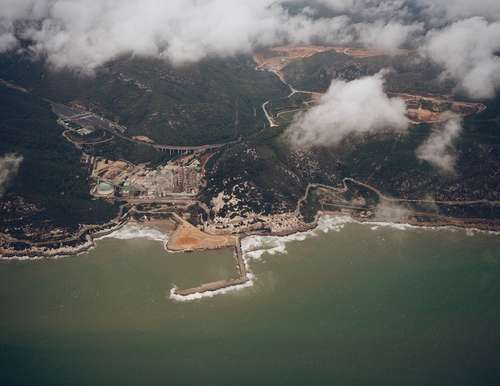
In a fiery Monday post on his Truth Social platform, President Trump declared that if the Strait of Hormuz is not swiftly reopened, the US military would move toward "completely obliterating" Iran's electric generating plants, oil wells, and the Kharg Island export hub. Most alarmingly, the president specifically targeted the country's drinking water supply, adding that the strikes would possibly include "all desalinization plants". This specific Iran infrastructure threat represents a drastic and highly controversial shift in military strategy.
Legal scholars immediately warned that targeting drinking water facilities would cross a severe legal threshold. Yusra Suedi, an international law expert, noted that such actions constitute "collective punishment," which is strictly prohibited under the Fourth Geneva Convention. Human rights advocates echo these concerns. Raed Jarrar, an advocacy director, stated that destroying a nation's water supply to coerce its government is not a standard negotiating tactic but rather "textbook collective punishment and a war crime". Despite these warnings, the administration appears resolute in utilizing maximum pressure to force an end to the hostilities.
Complex Iran Ceasefire Negotiations
Despite the administration's aggressive public rhetoric, there are indications of diplomatic movement behind the scenes. Trump recently claimed that "great progress" is being made with what he termed a "new, and more reasonable, regime" in Tehran. Following the death of Supreme Leader Ali Khamenei in the initial February airstrikes of Operation Epic Fury, his son Mojtaba Khamenei has assumed control of the theocracy. Currently, Iran ceasefire negotiations are reportedly being facilitated by intermediaries from Pakistan, Egypt, and Turkey, as direct communication between Washington and Tehran remains frozen.
The administration has purportedly floated a 15-point framework to end the hostilities, demanding that Iran dismantle its nuclear capabilities and hand over its enriched uranium stockpile. However, Trump's simultaneous deployment of thousands of additional US troops to the region has left regional observers questioning the true intent of Donald Trump foreign policy. Iranian officials have publicly dismissed the backchannel talks as a mere cover for imminent American ground deployments, further complicating the delicate path to peace.
"No Kings" Anti-War Protests Sweep the Nation
The escalation abroad has triggered explosive domestic backlash. Over the weekend, massive "No Kings" demonstrations swept across the country, firmly cementing anti-war protests USA as a defining feature of the current cultural climate. Organizers estimate that millions of Americans took to the streets in cities ranging from Los Angeles to Washington, D.C., demanding an immediate end to the conflict and protesting the administration's broader agenda. Protesters voiced profound opposition to the war's civilian toll and the looming threat of an American ground invasion.
Polling data reflects this growing public discontent. Recent surveys indicate that a majority of Americans oppose the current military campaign, with resistance to deploying ground troops being particularly fierce. Even among conservative voters, there is a pronounced generational divide. At a recent conservative conference in Texas, younger right-leaning voters expressed feelings of betrayal over a Donald Trump foreign policy that once promised to keep America out of endless overseas entanglements.
Economic Fallout and 2026 Midterm Election Issues
As the conflict stretches through its second month, its economic shockwaves are rapidly becoming central 2026 midterm election issues. The disruption in the Strait of Hormuz has caused Brent crude prices to spike by nearly 60% since the war's onset, severely straining household budgets at the gas pump. For most Americans, skyrocketing energy and grocery costs provide the most vivid indication of the war's domestic impact.
This inflationary pressure is proving devastating for the incumbent party. Trump's overall approval rating has recently dipped to 36%, a dangerous threshold historically associated with massive congressional seat losses for a president's party during midterm cycles. With the Trump Iran war 2026 continuing to dominate headlines, Republicans face an increasingly uphill battle. Unless the administration can successfully navigate the crisis toward a swift and decisive resolution, the combination of soaring gas prices, widespread public protests, and intense international legal scrutiny may heavily penalize the party at the ballot box this November.