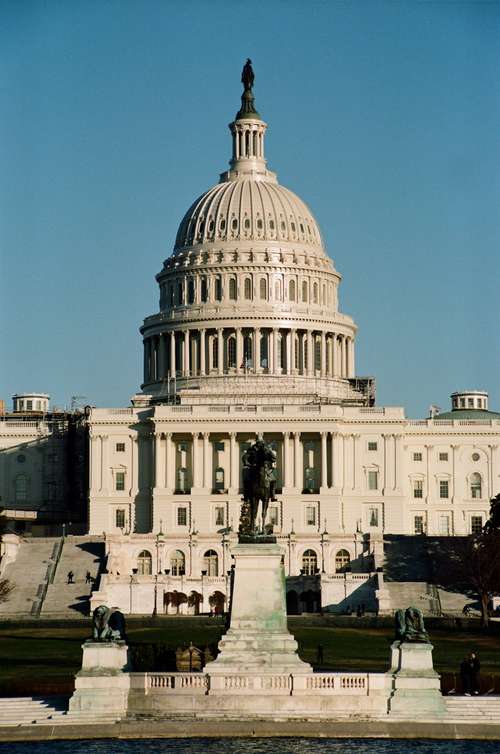
March 11, 2026 – In a high-stakes legislative ultimatum that threatens to bring Washington to a standstill, President Donald Trump has declared he will not sign any new bills into law until Congress passes the controversial SAVE America Act. The hardline demand sets the stage for a bitter showdown in the Senate, with funding for national security and key domestic programs hanging in the balance ahead of the highly anticipated 2026 midterm elections.
The president took to social media earlier this week to make his position clear, stating that the sweeping Trump voting bill "supersedes everything else" and "must go to the front of the line". His aggressive push for strict voter citizenship requirements and a near-total mail-in ballot ban has energized his conservative base while drawing fierce opposition from Democratic lawmakers and civil rights organizations.
Inside Trump's Legislative Ultimatum
Trump’s declaration is a blunt tactic designed to force the Senate’s hand. By pledging a legislative freeze, the president is effectively holding routine government operations hostage. Currently, critical measures—including funding for the Department of Homeland Security and the confirmation of key national security officials—are stalled.
"I, as President, will not sign other Bills until this is passed," Trump wrote, emphasizing that he will not accept a "watered down version" of the legislation. While a bill can technically become law if a president refuses to sign or veto it within 10 days while Congress is in session, this antagonistic posture guarantees a severe slowdown of all congressional work.
This unprecedented gridlock strategy relies on mounting pressure against Senate Majority Leader John Thune. While the House narrowly passed a version of the election reform package in February, it faces a steep climb in the upper chamber. Hardline conservative representatives are furious with the Senate's pace. Representative Mark Harris recently fumed that "trust in the Senate is at rock bottom," while Representative Andrew Clyde urged House Republicans to refuse the Senate’s priorities until the voting legislation is passed. They are urging Senate Republicans to force a "talking filibuster" to bypass the traditional 60-vote threshold.
Strict Voter Citizenship Requirements and the Mail-In Ballot Ban
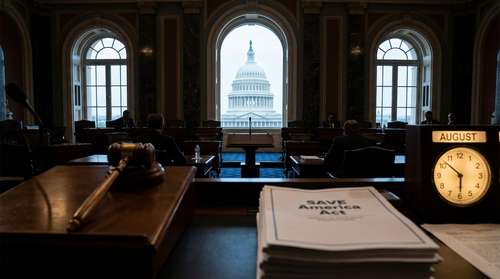
At its core, the SAVE America Act (Safeguard American Voter Eligibility) represents a historic overhaul of the federal electoral process. The legislation would enact some of the most stringent election integrity laws in modern American history.
If enacted, the bill would require all Americans to present documentary proof of citizenship—such as a U.S. passport or a certified birth certificate—when registering to vote. Because these documents must be physically presented and verified, the mandate would effectively eliminate remote and online voter registration for millions of citizens who currently rely on those accessible methods.
Furthermore, Trump is demanding that the final Senate version include a sweeping mail-in ballot ban. Under his proposed framework, absentee voting would be strictly limited to active-duty military personnel, individuals with severe illnesses or disabilities, and those traveling away from their home districts. This would dismantle permanent mail-in voting lists currently utilized by millions of voters, forcing Americans in states that conduct all-mail elections to drastically alter how they cast their ballots.
Controversial Non-Voting Additions
Complicating matters further, the White House has signaled a desire to bundle the legislation with unrelated social issues. Recent statements from the president indicate he wants the final text to include national restrictions on gender-affirming medical care for minors and bans on transgender athletes participating in women's sports—demands that make bipartisan compromise virtually impossible.
Senate Democrats Push Back on Election Integrity Laws
The Senate has so far resisted taking up the measure, setting up a brutal legislative clash. Senate Minority Leader Chuck Schumer swiftly condemned the president's demands, labeling the SAVE America Act as "Jim Crow 2.0" and warning that the documentary proof of citizenship requirements would disenfranchise tens of millions of legally eligible voters.
"If Trump is saying he won’t sign any bills until the SAVE Act is passed, then so be it: there will be total gridlock in the Senate," Schumer responded publicly.
Critics, including prominent nonpartisan voting rights organizations, note that the bill would disproportionately impact rural Americans, college students living out of state, and married women whose current legal names do not perfectly match their birth certificates. An estimated 69 million American women currently have identification documents that differ from their original birth records due to marriage, divorce, or assimilation, meaning they could face significant administrative hurdles just to maintain their active voter status.
High Stakes for the 2026 Midterm Elections
As the nation inches closer to the 2026 midterm elections, the battle over the SAVE America Act highlights the deepening partisan divide over ballot access and election security. Supporters of the bill argue that presenting a photo ID and proving citizenship are commonsense safeguards necessary to prevent noncitizen voting and restore public trust in the electoral system. Proponents point out that a vast majority of Republican voters, and a significant percentage of the general electorate, support standard voter ID measures.
However, with neither side showing a willingness to compromise, Washington is bracing for a protracted freeze. If the president follows through on his veto threats, the resulting legislative vacuum could severely impact everything from domestic agricultural programs to international trade operations amid ongoing global tensions.
For now, all eyes remain on the Senate to see if Republican leadership will bow to the president's demands and alter long-standing procedural rules to pass the Trump voting bill, or if the federal government will remain paralyzed in a high-stakes game of political chicken.