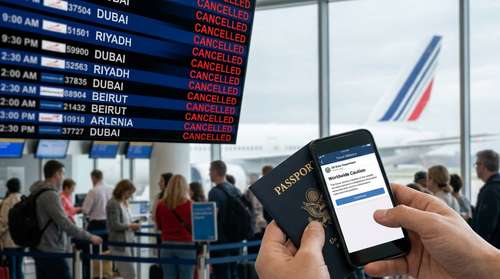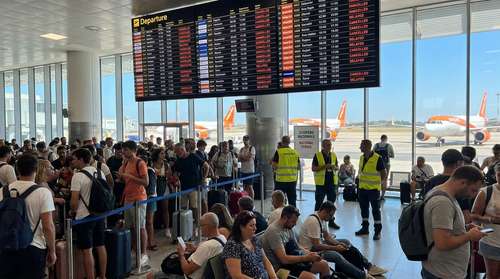
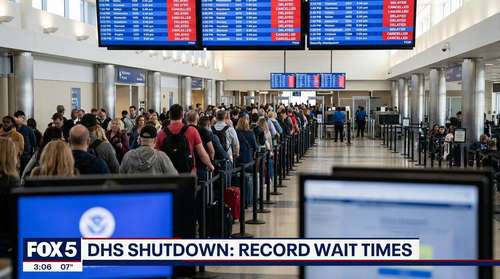
If you are flying this week, prepare for a grueling experience at the security checkpoint. The sheer scale of TSA airport delays today has reached a breaking point, transforming routine travel into a sprawling test of endurance. Driven by a partial Department of Homeland Security (DHS) shutdown that began in mid-February, the crisis has collided directly with the peak of the seasonal travel rush. Thousands of passengers are currently stranded in terminal lobbies, watching their departure times vanish from the boards.
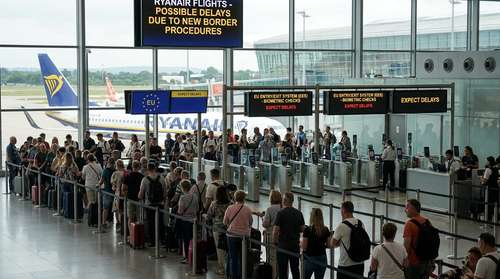
With no immediate political resolution in sight as of Thursday, March 26, the ongoing financial freeze has devastated checkpoint operations nationwide. Passengers at major hubs are routinely encountering security queues stretching across multiple terminal floors, prompting airlines and mobility managers to issue urgent warnings.
The Root of the Crisis: DHS Shutdown 2026 Travel Impact
The current paralysis stems from a deep legislative impasse over immigration enforcement funding. Since the partial government shutdown commenced on Valentine's Day, Transportation Security Administration (TSA) personnel have been working without pay. The resulting DHS shutdown 2026 travel impact is now cascading through the entire U.S. aviation network.
During a stark congressional hearing on Wednesday, TSA top official Ha Nguyen McNeill delivered a grim assessment of the agency's stability. She warned lawmakers that if the shutdown persists through Friday, the workforce will have suffered nearly $1 billion in missed paychecks. The financial strain has forced many officers into impossible situations, facing eviction notices and repossessed vehicles. Consequently, the threat of a missed flights government shutdown scenario is no longer a warning—it is a daily reality for thousands of Americans who cannot reach their gates in time.
Senate negotiations remain deeply stalled. On Wednesday afternoon, Senate Majority Leader John Thune dismissed a Democratic counteroffer regarding Immigration and Customs Enforcement (ICE) reforms, calling the proposal "not even close to being real". Unless lawmakers bridge the gap before their scheduled recess on March 27, the funding lapse will drag into April.
Severe TSA Staffing Shortages Trigger Extreme Measures
Unpaid labor has predictably led to a massive exodus of security personnel. As of this week, the DHS confirmed that over 480 TSA officers have resigned completely. The attrition compounds an already dire situation fueled by skyrocketing absenteeism. At certain airports, daily callout rates have surged past 40%, leaving bare-bones crews to manage massive crowds.
These severe TSA staffing shortages prompted unprecedented executive action over the weekend. President Donald Trump ordered the deployment of ICE personnel to at least 11 major U.S. airports starting Monday. While federal officials clarified that these deployments are strictly to assist with crowd control and line management—not immigration enforcement—the presence of ICE officers underscores the severe operational distress at security checkpoints.
The Training Gap
Compounding the immediate crisis is the long-term damage to the aviation security infrastructure. Replacing the hundreds of officers who have quit is not an overnight fix. Each new TSA hire requires four to six months of rigorous training and certification. Even if funding is restored tomorrow, airports will operate at a deficit for the remainder of the year.
Major Airport Wait Times Surge Past Four Hours
The physical manifestation of this political standoff is most visible in the terminals. When analyzing major airport wait times, Houston's George Bush Intercontinental Airport (IAH) and Hartsfield-Jackson Atlanta International Airport have emerged as ground zero for the meltdown.
On Tuesday and Wednesday, wait times at IAH's Terminal E exceeded four hours. The staffing deficit was so extreme that only two of eight checkpoints remained open for much of the day. Premium screening options offered no sanctuary, as both CLEAR and TSA PreCheck lanes were shuttered to consolidate the remaining workforce.
Travelers facing these long airport security lines March 2026 are experiencing unpredictable fluctuations. At Atlanta, wait times at the main domestic checkpoint have swung violently from 15 minutes to over three hours, prompting airport officials to beg domestic travelers not to crowd the international screening lanes in search of a shortcut.
Navigating Spring Break Flight Disruptions
The timing of this funding lapse could not be worse for the travel industry. The collision of a depleted workforce with peak seasonal volume has engineered widespread Spring Break flight disruptions. Airlines are terrified that cascading delays will deter discretionary travel and disrupt the lucrative corporate travel season.
To survive the current operational environment, passengers must radically adjust their expectations. Aviation authorities recommend the following emergency protocols:
- Arrive drastically early: Plan to be at the terminal four to six hours prior to domestic departures.
- Monitor checkpoint status: Check specific terminal queues online before leaving for the airport, as wait times can shift by the hour.
- Protect your purchase: Opt for refundable fares and register for real-time flight status alerts.
As lawmakers continue their political wrangling in Washington, the men and women tasked with securing the nation's skies remain unpaid, and the American traveler continues to pay the price in lost time, missed connections, and mounting frustration.