The perfect storm has officially grounded the American vacation. As more than 2.8 million passengers per day flood terminals for the busiest spring break season in history, the US air travel system has hit a breaking point. A grueling 47-day government lapse in funding has left 50,000 security officers working without pay, triggering staggering TSA wait times 2026 travelers simply weren't prepared for. When combined with a crippling aviation fuel price surge and widespread schedule reductions from major airlines, passengers are finding themselves caught in a historically bad April 2026 travel crisis.
The Government Shutdown Impact on Travel Reaches Critical Levels
The prolonged lapse in federal funding has steadily eroded airport operational capacity over the last seven weeks. Under the ongoing shutdown, approximately 50,000 Transportation Security Administration personnel are classified as essential and mandated to work without paychecks. Unsurprisingly, the financial strain has triggered significant staffing shortages as officers resign or call out sick to seek alternative income.
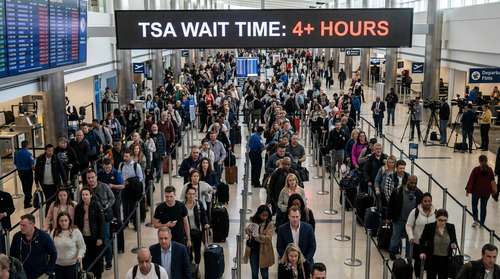
This workforce depletion is directly translating to nightmare scenarios at the checkpoints. The government shutdown impact on travel has manifested in unprecedented security bottlenecks. At major hubs like Houston's George Bush Intercontinental Airport, lines have snaked outside terminals and down escalators to the airport tram, with average wait times recently surpassing four to six hours. Hartsfield-Jackson Atlanta International has faced similarly crippling absentee rates hovering near 38%, forcing the emergency consolidation of screening lanes right as passenger volumes peaked.
Compounding these challenges, the protracted shutdown has completely stalled the pipeline of new security recruits. Because training programs require four to six weeks to complete, the staffing deficit will likely haunt the industry well into the summer, even if legislators reach a funding agreement today. For passengers navigating these spring break travel delays, airport authorities have issued dire guidance: arrive a minimum of three to four hours prior to domestic departures.
Aviation Fuel Price Surge Threatens Airlines and Regional Carriers
As if labor shortages weren't disruptive enough, the airline industry is simultaneously battling severe economic headwinds. Recent geopolitical conflicts and the disruption of critical maritime channels in the Middle East have caused jet fuel prices to roughly double since late February. In a matter of weeks, the cost per gallon spiked drastically, inflating industry operating costs by billions of dollars.
This aviation fuel price surge is already claiming victims across the sector. Regional carriers, which typically operate on razor-thin margins, face the very real threat of collapse if crude oil markets do not stabilize. These smaller airlines lack the massive cash reserves or aggressive fuel hedging strategies employed by legacy operators. As operating costs eclipse revenue on shorter routes, analysts warn that a wave of grounded regional fleets could be imminent.
Major carriers are also feeling the squeeze and passing the financial pain onto consumers. United Airlines CEO Scott Kirby recently indicated that maintaining current fuel prices would cost the airline an additional $11 billion this year—a staggering burden that would require fare hikes of up to 20% just to break even. Rather than shocking consumers with immediate, massive base fare increases, airlines are quickly pulling other levers. Both United and JetBlue implemented $10 increases for checked baggage fees in early April 2026, desperately trying to offset the soaring cost of petroleum.
Flight Cancellations Today: Why Major Airlines Are Slashing Schedules
The sheer cost of operating aircraft right now has fundamentally changed route profitability. Because fuel accounts for 20% to 30% of an airline's total expenses, running half-empty flights or maintaining frequency on less lucrative routes is no longer financially viable. Consequently, major airlines are quietly slashing their spring schedules to consolidate passengers onto fewer, fully booked aircraft.
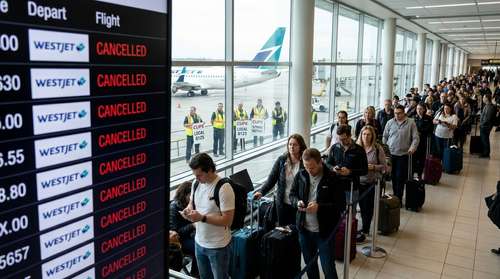
Travelers checking flight cancellations today are noticing a distinct pattern: airlines are rapidly pruning regional connections and reducing daily frequencies between major hubs to preserve cash. When a flight is grounded due to a sudden crew shortage or minor mechanical issue, the lack of backup aircraft and alternative flights means stranded passengers might not secure a rebooking for days. The leisure traveler ultimately loses the most in this scenario, facing diminished route choices and fiercely competitive standby queues.
How to Navigate the US Airport Security Lines
If you are booked to fly during this turbulent window, defensive travel strategies are mandatory. The reality of the current landscape means you cannot rely on old habits.
- Arrive Exceptionally Early: Three hours is the new bare minimum for domestic flights. For international departures at mega-hubs like LAX or JFK, arriving four hours ahead of boarding is highly recommended.
- Monitor Security Apps: Use the MyTSA mobile app or individual airport websites to check live wait estimates before leaving your home. Be aware that heavily short-staffed checkpoints may struggle to update data in real-time.
- Utilize Alternative Clearances: Biometric identity services like CLEAR bypass the standard document checking phase, which can shave crucial minutes off your queueing experience, even if you still must clear the physical X-ray screening.
- Pack Light: With baggage fees actively climbing and airlines mishandling luggage during the chaos, traveling with only a carry-on allows you to skip the ticketing desk entirely and head straight for the US airport security lines.
Until federal funding is fully restored to compensate the essential aviation workforce and global oil markets cool down, the friction in the travel system will remain severe. For now, flying requires a surplus of patience, a highly flexible itinerary, and an extremely early alarm clock.