
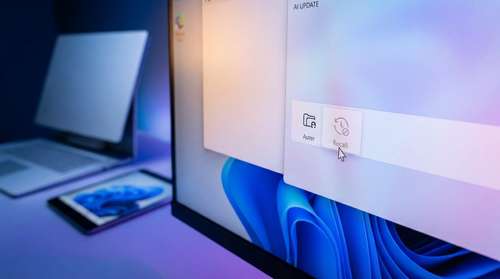
In what is undoubtedly the most significant development in tech privacy news 2026, Microsoft is executing a dramatic course correction. Responding to a tidal wave of consumer backlash and damning new telemetry data, the tech giant has officially begun rolling out a landmark Windows 11 AI update 2026. This critical patch fundamentally alters the operating system by unbundling Copilot from core applications and aggressively removing intrusive AI 'Recall' entry points. For millions of frustrated users, this pivot represents the exact Microsoft privacy backtrack they have been demanding for nearly two years.
The Numbers Behind the Retreat: Windows vs Mac Stability 2026
While privacy concerns sparked the initial outrage, raw performance data ultimately forced Microsoft's hand. The decision to strip out heavy AI integrations directly correlates with severe Windows 11 performance issues that have plagued the OS since its aggressive AI push. According to the newly published 2026 State of Digital Workspace report by Omnissa—which analyzed millions of managed endpoints across sectors like healthcare, finance, and education—the Windows vs Mac stability 2026 debate has temporarily been settled, and the results are brutal for Microsoft.
The telemetry revealed that Windows users experience a staggering 7.5 times more application freezes and 2.2 times more total app crashes compared to their macOS counterparts. Furthermore, Windows machines are subjected to 3.1 times more forced shutdowns. In an enterprise context, these crashes aren't just minor inconveniences; they create a devastating refocus penalty, costing businesses an estimated 24 minutes of lost productivity per disruption.
Apple's long-standing claims of superior stability are now backed by hard 2026 telemetry. To stop the bleeding and prevent further enterprise flight to macOS, Windows chief Pavan Davuluri recently admitted that the OS had drifted off track, promising a core engineering focus to fix Windows 11 for good.
Executing the Ultimate Microsoft Privacy Backtrack
When the photographic memory tool Recall was first unveiled, cybersecurity experts immediately labeled it a privacy nightmare, comparing its behavioral documentation capabilities to corporate surveillance operations. The system, originally designed to take screenshots of active windows every few seconds to build a searchable semantic timeline, was fundamentally at odds with modern data security standards.
Although Microsoft attempted to introduce safeguards in 2025—such as local encryption and Windows Hello authentication—the sheer existence of the tool left users deeply uneasy. This late March update is the ultimate concession. Instead of requiring users to dig through complex registry edits or external scripts to disable Microsoft Recall, the company has systematically purged its entry points from the standard user interface. By changing the default architecture, Microsoft is transforming Recall from an omnipresent surveillance mechanism into an isolated, strictly opt-in feature that most users will never see.
Unbundling the OS: A Native Copilot Removal Tool
The rollback doesn't stop at Recall. Over the past year, Microsoft integrated its Copilot AI into virtually every corner of the operating system, from the Snipping Tool and Photos to Notepad and Widgets. This ubiquitous presence contributed significantly to the memory bloat and app hangs highlighted in the Omnissa report.
Now, Microsoft is reversing course by unbundling these features. This update effectively serves as a native Copilot removal tool, giving users the power to strip the AI assistant from core applications. By detaching these heavy large language models from basic system apps, the operating system reclaims valuable processing power. Users can finally enjoy a streamlined experience, complete with a highly requested Windows 10-style compact taskbar that prioritizes speed over AI suggestions.
Fixing the Windows Update Nightmare
Alongside the AI unbundling, Microsoft is addressing another major culprit behind user frustration: the notoriously disruptive update process. Moving forward, users will have the ability to skip updates during the initial device setup, pause cumulative updates indefinitely, and execute basic system restarts without being forced into an hour-long update installation. This paradigm shift marks a return to user autonomy that hasn't been seen since the Windows 8 era.
Can This Update Save Windows 11?
This massive strategic retreat is a defining moment for Microsoft. By actively prioritizing system stability and user privacy over the aggressive deployment of generative AI, the company is attempting to rebuild broken trust. The simultaneous rollout of this non-security preview update across Windows 11 versions 24H2 and 25H2 shows a renewed commitment to core functionality.
While it remains to be seen if stripping out these controversial features will be enough to reverse the concerning enterprise hardware trends—where Macs are now lasting an average of five years compared to three for PCs—this update is undoubtedly a step in the right direction. For the first time in recent memory, Windows is actively becoming lighter, faster, and substantially more respectful of user boundaries.