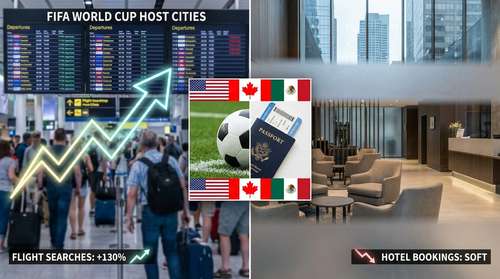
The buildup to the biggest sporting event in North American history has hit a strange logistical roadblock. New travel data released this week reveals a striking anomaly in FIFA World Cup 2026 travel planning: while flight searches to major host cities have skyrocketed, the expected rush for lodging hasn't materialized. Search volume for domestic flights and international arrivals into central hubs like Dallas and Kansas City has surged by more than 130% over the past month. Yet, instead of panic-inducing sellouts, local hospitality markets are seeing unexpectedly soft booking numbers. This unprecedented travel paradox is leaving industry analysts scrambling to understand why millions of eager fans are planning their routes but refusing to secure their beds.
Decoding the Flight Versus Hotel Disconnect
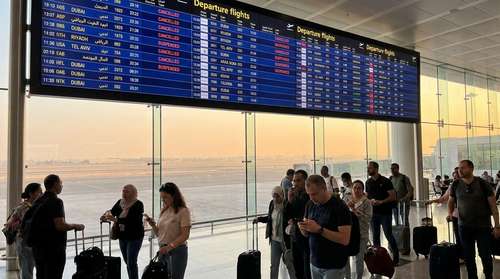
When evaluating World Cup flight price trends, the data paints a picture of massive global interest. Major airline carriers and travel aggregators are reporting record-breaking search queries for travel windows between June and July 2026. Fans from Europe, South America, and Asia are aggressively monitoring routes into North America.
However, the typical conversion rate from flight search to hotel booking has plummeted. In past tournaments, securing a flight and a room went hand-in-hand. Today, travelers are treating flights as the primary hurdle and treating lodging as an afterthought. This hesitation stems from a perfect storm of economic pressures and logistical anxiety. Fans are realizing that navigating World Cup host city logistics requires a different playbook when the tournament is spread across three massive countries. Many are holding out for last-minute vacation rental listings or relying on regional transit options instead of committing to traditional downtown hotel rates.
Kansas City and Dallas Face Shifting Demand
Nowhere is this trend more visible than in the American Midwest and Texas. Kansas City World Cup tourism officials initially braced for an overwhelming immediate sellout of the metro's hotel inventory. Arrowhead Stadium is slated to host major matches, and while airline data shows fans are locking in their arrivals at Kansas City International, local hoteliers are staring at surprisingly open calendars.
The situation is nearly identical in Texas. Dallas boasts the massive 92,967-capacity AT&T Stadium and serves as a major international gateway via DFW Airport. Fans are aggressively securing airfare to the region, planning to use Dallas as a base camp. Yet, World Cup hotel availability in the immediate stadium entertainment districts remains stubbornly fluid. Travelers seem fully aware that the sprawling nature of these metro areas means they can potentially stay further out—perhaps even renting a car to drive between Dallas and Houston—prompting them to delay booking expensive immediate-vicinity rooms.
The Impact of High Match Ticket Costs
The sheer financial weight of securing stadium access is clearly altering traveler behavior. With tournament crowds expected to heavily inflate local costs, the average fan's budget is severely compromised. Travelers are prioritizing their non-negotiable expenses—stadium entry and airfare—while gambling that lodging prices, which can surge 31% or more on match days, will eventually cool off.
International Travel Visa Barriers Disrupt Plans
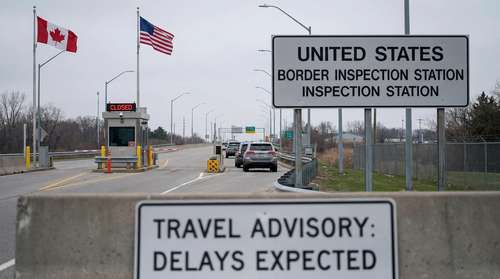
A less publicized but equally critical factor driving this booking lag is the bureaucratic friction at international borders. International travel visa barriers are actively forcing overseas fans to delay their financial commitments. While fans from the UK might glide through with the U.S. Visa Waiver Program, visitors from countries requiring full visitor visas are currently facing extensive interview wait times at embassies worldwide.
For a fan in Bogotá or Istanbul, dropping thousands of dollars on a non-refundable hotel room in Miami or Philadelphia is an unacceptable risk without a guaranteed visa stamp. Airline tickets often offer more flexible cancellation policies or credit options compared to strict special-event hotel rates. Until these fans have their travel documents physically secured, they are choosing to wait out the market, directly contributing to the soft lodging numbers seen in early May 2026 data.
The AHLA Hotel Outlook 2026: A Sudden Supply Shift
Adding fuel to this unexpected market dynamic is a massive internal shift in room inventory. The latest AHLA hotel outlook 2026 briefings align with a crucial development: the sudden release of previously held corporate and organizational room blocks. For the past two years, massive swaths of hotel inventory in all 16 host cities were essentially frozen, reserved specifically for officials, broadcast partners, and national team delegations.
As these organizations finalize their exact footprints, they are releasing thousands of unneeded rooms back into the public market. This sudden injection of supply arrived at the exact moment international fans hit pause due to visa and budget concerns. The result is a highly unusual buyer's market for accommodations. Travelers who held their nerve are now seeing better nightly rates and more central locations than were available just three months ago.
Strategy for the Late Booker
If you are still mapping out your tournament footprint, the current landscape offers a distinct advantage. Monitor airline pricing closely, as flight inventory remains the genuine bottleneck. For lodging, watch the secondary releases in mid-tier cities. As more unutilized institutional blocks hit the open booking engines, savvy fans who deferred their hotel reservations might just secure the best deals of the summer.