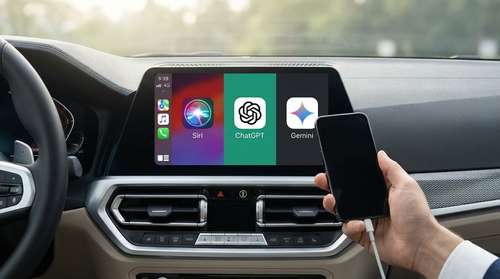
For over a decade, Apple’s CarPlay has been a walled garden, with Siri serving as the exclusive gatekeeper for voice interaction behind the wheel. That era is officially ending. In a landmark shift reported this week, Apple is preparing to open its automotive ecosystem to third-party AI assistants, allowing drivers to use powerful large language models (LLMs) like OpenAI’s ChatGPT and Google’s Gemini directly through their vehicle’s dashboard. This Apple CarPlay AI update represents one of the most significant changes to the platform since its inception, acknowledging that drivers demand smarter, more capable companions than Siri currently offers.
The End of Siri's Monopoly on the Dashboard
According to a new report from Bloomberg’s Mark Gurman, Apple will soon update CarPlay to support dedicated voice-controlled apps from major AI competitors. Expected to roll out "within the coming months"—potentially aligning with the iOS 26.4 update cycle—this change means you will no longer be forced to rely solely on Siri for answering complex questions during your commute.
While Siri will remain the default assistant for vehicle functions like adjusting climate control or sending texts, the new ChatGPT CarPlay integration allows third-party apps to take over the conversation. When you open the ChatGPT or Google Gemini app on your dashboard, it will immediately launch into a voice-based chat mode. This seamless handoff is designed to let drivers interact with advanced AI models hands-free, bridging the gap between a basic voice command system and a true conversational partner.
How It Works: Coexistence, Not Total Replacement
It is crucial to understand the nuance of this update: third-party assistants are not completely replacing Siri at the system level just yet. You won't be able to remap the steering wheel’s voice button to summon ChatGPT, nor will "Hey Google" work as a universal wake word within the CarPlay interface.
The Hybrid Approach
Instead, Apple is adopting a hybrid model. Siri retains its throne as the primary controller for hardware and native iOS tasks. However, for the heavy lifting—summarizing long emails, planning complex travel itineraries, or answering open-ended knowledge queries—drivers can manually toggle into their preferred Google Gemini Apple Car app. This compromise allows Apple to maintain the safety and stability of the driving interface while finally giving users the voice assistant for CarPlay choice they have been clamoring for.
Why Apple is Finally caving
This strategic pivot comes as Apple faces immense pressure to modernize its automotive software. With the Apple automotive software 2026 landscape evolving rapidly, competitors are already integrating generative AI into their infotainment systems. Apple's decision effectively outsources the race for "super-intelligence" in the car, ensuring CarPlay users don't feel left behind while Apple continues to refine its own internal AI models.
Furthermore, this move aligns with broader iPhone AI car features debuting in iOS 26. By allowing rivals onto the dashboard, Apple avoids antitrust scrutiny while simultaneously enhancing the utility of CarPlay. It also hints at a deeper confidence in their own upcoming Siri overhaul, suggesting they believe the native assistant will eventually be good enough to compete on merit rather than exclusivity.
What This Means for Your Commute
Imagine driving home and asking your car to "plan a gluten-free dinner menu for four and generate a grocery list based on what's in stock at the local Whole Foods." Siri would historically struggle with such a multi-layered request. With the new update, you could simply tap the Gemini icon on your console and have a fluid, hallucination-resistant conversation about recipes, logistics, and scheduling—all without touching your phone.
This integration of Siri vs third-party AI assistants transforms the car from a passive listening environment into an active, intelligent workspace. For millions of commuters, the dashboard is about to become the smartest screen in their lives.