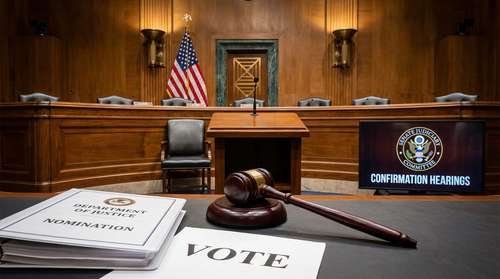
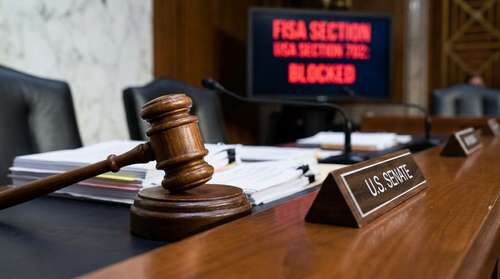
In a dramatic early Friday morning showdown, the Senate blocks FISA extension efforts, plunging the nation's premier foreign intelligence-gathering apparatus into deep uncertainty. The 47-52 vote derailed a critical procedural motion needed to advance the FISA Section 702 reauthorization 2026 before its impending June 12 expiration. What was anticipated to be a contentious but ultimately successful debate over national security has instead collided with a fierce bipartisan uproar over President Donald Trump's sudden decision to appoint Federal Housing Finance Agency (FHFA) head Bill Pulte as the country's top spy chief.
The Warrantless Spying Law Vote Stalls
The unexpected legislative roadblock was fueled by an unlikely coalition. Following a marathon overnight session, seven conservative Republicans broke ranks to join nearly all Democrats in opposing the procedural measure, sending shockwaves through Capitol Hill. By refusing to advance the legislation, the Senate blocks surveillance program renewal, putting the critical Section 702 on a direct path to expire next week.
First enacted in the wake of the September 11 attacks, Section 702 of the Foreign Intelligence Surveillance Act permits the collection of foreign communications from U.S. telecommunications providers. However, the program routinely sweeps up the emails, texts, and phone calls of ordinary Americans interacting with foreign targets. The FBI and other agencies have frequently utilized this data to conduct backdoor, domestic searches without a warrant.
While the warrantless spying law vote has historically divided lawmakers along privacy and security lines, the current deadlock goes far beyond traditional civil liberty concerns. Lawmakers from both sides of the aisle explicitly cited the administration's controversial personnel moves as the primary catalyst for halting the surveillance deal.
Controversial Pick: Bill Pulte Director of National Intelligence
The timing of the crisis centers entirely on the White House's sudden leadership shakeup. Following the recent resignation of Tulsi Gabbard, the president tapped 38-year-old housing regulator Bill Pulte to take over as the acting head of the intelligence community. The sudden appointment of Bill Pulte Director of National Intelligence instantly drew intense scrutiny due to his absolute lack of national security, military, or foreign policy experience.
Pulte built his career in the mortgage industry and currently oversees Fannie Mae and Freddie Mac. However, he has also established himself as a fierce political loyalist to the president. His sudden elevation to oversee 18 distinct spy agencies—including the CIA and the National Security Agency—left senators deeply questioning the safety of expanding federal surveillance powers.
"Less Shackled" and Ready to Fire
Adding fuel to the fire, the president publicly indicated that his new Trump acting intelligence chief was intentionally placed in a temporary role so he could be "less shackled" to execute sweeping personnel cuts. Speaking to reporters on Thursday, Trump confirmed he directed Pulte to fire a significant number of intelligence employees, claiming the workforce is too large and filled with holdovers from previous administrations.
Trump further exacerbated bipartisan anxieties by suggesting Pulte might use his short-term stint to investigate unproven claims of "rigged elections". These public directives have terrified privacy advocates and lawmakers alike. Placing unparalleled domestic and foreign eavesdropping tools under the control of an inexperienced loyalist tasked with gutting the agencies has prompted serious warnings about the potential weaponization of classified state secrets.
Escalating the US Government Surveillance Debate
The standoff has injected unprecedented volatility into the broader US government surveillance debate. Civil liberties groups, including the ACLU and Demand Progress, are seizing the moment to demand comprehensive structural reforms. For years, privacy hawks have fought to impose strict warrant requirements on Section 702 to protect innocent citizens from unconstitutional domestic tracking.
With the June 12 deadline looming, the administration must navigate an increasingly narrow path forward. Senate Majority Leader John Thune argued that while the timing of Pulte's appointment was challenging, it should not derail an essential national security asset. Yet, the definitive 47-52 vote clearly signals that trust on Capitol Hill has fundamentally fractured.
As negotiators scramble through the weekend to salvage a legislative compromise, the intersection of unchecked executive appointments and massive surveillance capabilities remains at a boiling point. The nation now waits to see whether the administration will retreat on its controversial intelligence appointments or concede to aggressive privacy reforms before the federal government's most powerful foreign espionage tool goes completely dark.