Amidst unprecedented disruptions in the Middle East pushing Brent crude prices near $120 a barrel, President Donald Trump has dropped a bombshell on the domestic industrial sector. The highly publicized Trump Reliance refinery deal promises a staggering injection of capital into the American Gulf Coast. Trump took to Truth Social late Tuesday to declare that Indian energy titan Reliance Industries is backing a massive facility in Brownsville, Texas. Billed as the first major U.S. refinery built in half a century, this project aims to process exclusively domestic shale oil, sending shockwaves through international markets.
The Historic $300 Billion Texas Investment Unpacked
In his late-night social media post, Trump characterized the partnership with America First Refining as the single largest foreign energy injection in the nation’s history. The $300 billion Texas investment aims to construct a state-of-the-art facility at the Port of Brownsville. According to the president, the plant will not only be the "cleanest refinery in the world," but it will also generate massive economic momentum for the region.
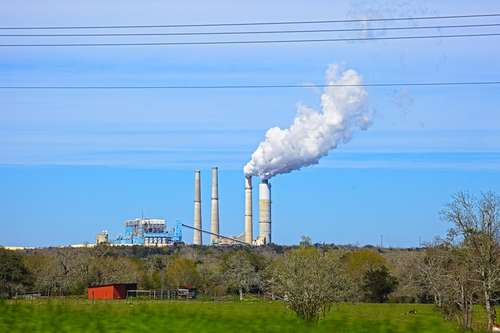
Historically, the United States has relied on an aging fleet of coastal refineries, leaving domestic fuel production vulnerable to shifting global tides and operational bottlenecks. The new Texas oil refinery project signals a radical departure from that decades-long dependency. America First Refining—a company that absorbed the operations of Element Fuels—had previously secured permits to process roughly 160,000 barrels of crude daily. With the reputed financial muscle of Reliance, which operates the world’s largest and most complex refining hub in Jamnagar, India, the operational scale could transform the regional economy and bring thousands of permanent jobs to South Texas.
Reading the Global Energy Market Volatility
Timing is critical in the commodities trade. This announcement arrives during a period of severe global energy market volatility. Recent military escalations involving the U.S., Israel, and Iran have led to catastrophic bottlenecks, including the effective closure of the Strait of Hormuz. Because roughly one-fifth of the world's consumed oil transits through that narrow Middle Eastern chokepoint, international fuel supplies are currently facing historic instability.
Cementing US Energy Security 2026
Shielding domestic markets from overseas conflicts has become the defining challenge of the decade. By leveraging this historic development, policymakers hope to definitively secure US energy security 2026 and beyond.
Processing 100 percent domestic shale oil means the United States could insulate its vital gasoline, diesel, and aviation fuel production from the geopolitical shocks currently rattling foreign producers. If the facility at the Port of Brownsville meets its ambitious production goals, it will dramatically alter the nation's trade balance. Exporting refined petroleum products derived strictly from Texas and Permian Basin crude stands to solidify a long-sought energy dominance strategy. This move simultaneously shields American consumers from sudden price spikes at the pump while providing a reliable fuel alternative to allied nations.
The Mukesh Ambani Trump Announcement: Why the Silence?
While the White House is aggressively touting this as a done deal, the muted response from overseas is raising eyebrows on Wall Street. Following the Mukesh Ambani Trump announcement, Reliance Industries has notably refrained from issuing a formal public confirmation or clarifying the exact financial dimensions of their involvement.
Industry analysts actively following Reliance Industries US news note that America First Refining recently confirmed receiving a nine-figure investment from an unnamed "global supermajor". The Texas-based firm also signed a binding 20-year offtake agreement to sell the fuels it produces. However, AFR deliberately avoided explicitly naming Reliance in their corporate press releases. Ambani’s conglomerate previously faced political scrutiny in Washington over purchasing discounted Russian crude. Pivoting to a multi-billion dollar infrastructure play on American soil represents a massive geopolitical realignment for the Indian titan.
What Happens Next for the Gulf Coast?
The strategic silence from Mumbai might simply be strict regulatory caution ahead of officially breaking ground in the second quarter of 2026. Financial markets, however, have already read between the lines. Following the news cycle, Reliance stock jumped nearly 2 percent in early trading on the BSE, signaling strong investor confidence in the cross-border venture.
As the Port of Brownsville prepares for heavy construction later this year, all eyes remain focused on the Lone Star State. The Trump Reliance refinery deal has successfully shifted the national conversation from foreign oil dependency to domestic industrial revival. Whether the final capital deployment matches the staggering $300 billion figure remains a topic of hot debate, but the strategic intent is undeniable. The American Gulf Coast is gearing up for an unprecedented refining renaissance.