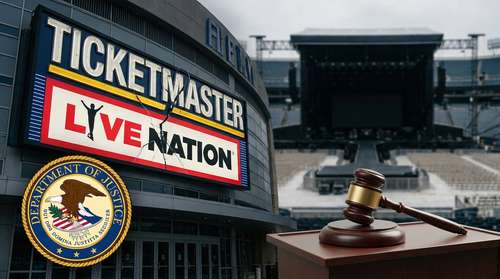
Music fans across the country might finally see a monumental shift in how they buy access to their favorite live events. Late Thursday, the Department of Justice, backed by a bipartisan coalition of 34 state attorneys general, submitted a sweeping remedies proposal demanding a formal Live Nation Ticketmaster breakup. This aggressive legal maneuver follows the landmark 2026 antitrust lawsuit verdict handed down in April, which found the entertainment giant guilty of maintaining an illegal monopoly over the live music ecosystem.
The Fallout of the 2026 Antitrust Lawsuit Verdict
The federal jury's decision last month validated years of persistent complaints from music fans, touring artists, and independent promoters. During the highly publicized trial, prosecutors demonstrated how the company leveraged its immense market share to strong-arm venues into using its proprietary ticketing platform. The court ultimately agreed that the corporation operated a Live Nation illegal monopoly, utilizing a "flywheel" business model to dominate every layer of the live entertainment industry.
By controlling the artists' promotional tours, owning or operating hundreds of major amphitheaters, and functioning as the exclusive ticketing gatekeeper, Live Nation effectively suffocated competition. Rivals found it nearly impossible to secure talent or book venues without bending to the conglomerate's demands. The April verdict established the legal foundation for the government's current push to fundamentally restructure the marketplace.
Inside the DOJ Ticketmaster Divestiture Proposal
Court documents filed this week outline a radical proposed restructuring of the live entertainment landscape. Government lawyers argue that behavioral remedies—such as simply ordering the company to modify its contracting practices—are completely insufficient to restore a competitive market. At the center of the states' proposal is a strict DOJ Ticketmaster divestiture mandate.
The coalition of 34 attorneys general is asking the federal judge to order a complete structural spin-off of the Ticketmaster subsidiary. Furthermore, the remedies package seeks an immediate nationwide injunction against exclusive venue contracts. Historically, these multi-year exclusivity agreements severely penalized arenas and stadiums that attempted to partner with alternative ticketing software providers. Under the proposed court order, venues would regain the freedom to negotiate with multiple ticketing vendors on a show-by-show basis.
Additional Restrictions on Retaliation
Beyond the forced sale, the government's filing includes strict anti-retaliation provisions. If approved, Live Nation would be legally barred from threatening venues that choose to use competing ticketing platforms. They would also be prohibited from withholding highly lucrative concert tours from independent arenas simply because those buildings opted for a different primary ticketer.
Will Fans Finally See Concert Ticket Price Relief?
For everyday concertgoers, the complex legal maneuvering boils down to one crucial expectation: concert ticket price relief. The Ticketmaster monopoly lawsuit heavily featured witness testimony regarding exorbitant service charges, opaque "junk fees," and algorithmic dynamic pricing models that frequently pushed standard admission tickets out of reach for average consumers.
Antitrust experts argue that injecting true competition into the ticketing space will force platforms to compete on cost and customer experience. If Ticketmaster must actively fight to win contracts from venues, rival ticketing startups could enter the fray with lower service fees and more transparent pricing models. While industry analysts caution that top-tier artists will still command high baseline prices, a fractured ticketing market could significantly reduce the secondary fees that often add 30% or more to the final checkout price.
A Turning Point for Entertainment Industry Regulation
This week's proposed breakup serves as a massive wake-up call regarding entertainment industry regulation. For nearly a decade and a half, following the controversial approval of the Live Nation and Ticketmaster merger in 2010, corporate consolidation in live music went largely unchecked. The current push from the Justice Department signals a drastic shift in how federal regulators intend to police modern monopolies.
Independent promoters and regional venue operators are watching the proceedings closely. Many view this remedies proposal as the first genuine opportunity in a generation to level the playing field. However, Live Nation has already signaled its intent to fight the divestiture order, claiming that a forced spin-off will disrupt tour logistics and ultimately harm the live music industry.
As the federal judge reviews the sweeping structural remedies over the coming weeks, the impending legal battle over the terms of the split will undoubtedly shape the future of live entertainment. For now, the DOJ has made its ultimate goal remarkably clear: Ticketmaster and Live Nation can no longer operate under the same roof.