
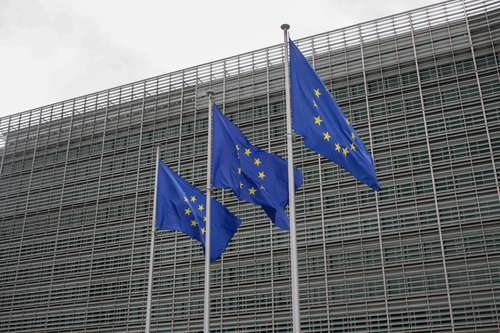
The digital landscape is buzzing with news as the European Union steps in with a $140 million fine targeting Elon Musk's X. This dramatic move underscores the intensifying scrutiny that tech companies are under, especially when it comes to transparency and adherence to market regulations. It’s hard not to feel a mix of shock and curiosity when such big names in tech face steep penalties. You might wonder, how did we get here, and what does it mean for the future of business practices in the tech industry?
At its core, the fine zeroes in on X's handling of advertising transparency and compliance issues, marking a significant enforcement of business practices that simply can’t be ignored. With EU fines becoming a regular fixture in the headlines, it invites discussion about corporate governance and ethical standards that many of us assume are set in stone but clearly are evolving with time. It’s a fascinating example of how regulatory enforcement is reshaping the tech industry.
Regulatory Penalties and Business Practices
This section delves into the specifics of the regulatory penalties imposed on X. The EU has always been at the forefront of enforcing strict business practices among tech companies, ensuring that transparency and fairness are not compromised. The fine against Elon Musk’s X reinforces a clear message: non-compliance with established market regulations and corporate governance cannot go unpunished.
The European Union’s actions are not just about the number on the penalty slip, but rather about establishing a precedent. The regulation is clear—if companies falter in meeting the rigorous standards demanded by EU regulations, hefty fines will be their outcome. This incident strengthens the resolve of regulatory bodies to keep a watchful eye on business ethics and corporate compliance in the tech space.
What does this mean in practical terms? It signals to all tech companies that compliance with advertising guidelines and ethical data practices has a cost when neglected. If one high-profile case can lead to such significant fines, imagine the ripple effect on other tech giants who might have been quietly experimenting with ways to skirt the rules. It’s a wakeup call, underscoring that the time for complacency is over.
European Union’s Commitments to Market Regulations
Let’s break down what the European Union's commitment means in today’s tech-driven society. Often, we see the EU actively engaging with ongoing legal issues, antitrust cases, and breaches in competition law across tech companies. This strong stance is not only about punishing wrongdoers but also about paving the way for a more transparent digital marketplace. Just think about it like a referee in a game—ensuring that all players stick to the rules, creating an even playing field for everyone.
The recent experience with X is reflective of the EU's broader strategy. The European Union is not only targeting advertising transparency but is also making sure that business practices adhere to established best practices. Every tech giant must navigate a maze of legal issues and corporate governance standards, where even a slight deviation can result in significant regulatory penalties.
This commitment extends beyond simple rule enforcement. It touches on major discussions surrounding corporate governance and market regulations. When it comes to enforcing competition law and establishing frameworks that promote ethical advertising practices, the EU leaves little room for error. With high stakes involved, even the slightest miscalculation in business practices could lead a company down a slippery slope of legal complications.
Impact on Tech Industry and Corporate Governance
After the EU imposed its fine on X, the ripples of this decision were felt across the tech industry. Companies now face a more scrutinizing regulatory environment, which means innovation must be balanced with strict adherence to ethical business practices. The question arises—how do companies navigate this tough regulatory landscape without stifling innovation?
One key takeaway is that corporate compliance is no longer optional. With major fines like these, regulatory enforcement has taken center stage, leaving no room for ambiguity. Companies must now invest more in compliance audits, internal oversight, and robust corporate governance structures to avoid crossing the line when it comes to legal issues. Each misstep can be compared to a domino effect that not only affects the individual company but may also have broader repercussions for the tech industry as a whole.
Moreover, tech companies are realizing that business ethics have become a public relations asset. When your brand faces controversies or heavy fines, it’s not just about the financial hit, but the long-term impact on reputation. Maintaining transparency in advertising and following antitrust laws are like the guardrails that keep your spaceship on course in a highly competitive environment. This fine on X, backed by stringent regulatory penalties from the European Union, shows that failing to respect these guardrails can result in a very steep comeback price.
The narrative here aligns closely with the ongoing dialogue about legal issues and competition law in today's tech space. Every announcement of EU fines sends ripples through boardrooms, urging leaders to reassess their strategies towards corporate governance. In the high-stakes arena of tech, where companies are constantly pushing the boundaries of innovation, regulatory enforcement remains the unpredictable variable that can turn the tide in an instant.
Looking Ahead: Balance Between Innovation and Regulation
This section reflects on what the future may hold for tech companies grappling with the balance between innovation and stringent market regulations. With the European Union making it crystal clear that corporate compliance isn’t just a buzzword, companies like X are likely to tighten their operational practices. This incident forces a reevaluation of how business practices are structured and how responsible digital advertising has become in our interconnected world.
Imagine driving on a highway with clear markers indicating when a lane change is unsafe. The EU's enforcement measures act like those markers—guiding companies towards maintaining an ethical path without completely hindering their innovative potential. More than ever, tech companies need to invest in proactive corporate governance, aligning their competitive drive with regulatory requirements. Otherwise, they risk finding themselves penalized heavily, as seen in the recent case with X.
It certainly makes one think, doesn’t it? Wouldn’t it be wiser for companies to take a careful look at their internal processes to ensure they’re not just riding the wave of innovation but also respecting the rules designed to safeguard consumer trust? The rising scrutiny from the European Union reinforces that the path to success in the tech industry isn’t just about being first to market—it’s about doing it the right way.
The balance between pushing boundaries and ensuring compliance is more crucial than ever. As more regulatory penalties emerge, companies may soon find that the cost of non-compliance overshadowed the benefits of rapid, unchecked growth. At the end of the day, business ethics and corporate governance aren’t just regulatory checkboxes, but integral parts of sustaining long-term success in a competitive market.
This case is a moment of reflection for everyone involved in the tech industry. It serves as a reminder that while the allure of rapid innovation is enticing, there is a cost when it comes to bypassing set standards. The recent EU fines on Elon Musk’s X have not only impacted a single company; they’ve redefined the expectations for business practices across the digital economy.
In summary, as the tech landscape continues to evolve, the EU’s actions represent a significant milestone in the ongoing dialogue about regulatory enforcement and corporate ethics. It’s an exciting yet cautionary tale—a reminder that in the race for technological advancement, the rules of the road must be followed if one hopes to steer clear of legal obstacles and foster sustainable growth.