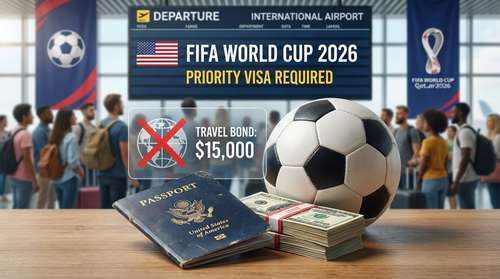
With just 71 days remaining until the opening match on June 11, the realities of FIFA World Cup 2026 travel are transforming from a dream into a logistical nightmare for millions of international supporters. Historically, the tournament serves as a global celebration of unity, and this year's historic 48-team format across North America promised to be the largest yet. Instead, ticket holders are navigating an unprecedented maze of stringent U.S. immigration policies. A combination of a mandatory $15,000 US visa bond for tourists from designated nations, a newly instituted $250 "Visa Integrity Fee", and expanding border restrictions has triggered a genuine global tourism crisis. The immediate economic fallout is already visible, with broader inbound U.S. tourism experiencing a sharp 5.4% drop just as the summer rush should be accelerating.
Navigating Complex World Cup Fan Visa Requirements
For visitors holding passports from the 42 Visa Waiver Program countries—such as the United Kingdom, Japan, and most of the European Union—entry remains relatively straightforward through the standard ESTA system. However, the World Cup fan visa requirements for citizens of nations requiring a traditional B1/B2 visitor visa have reached unprecedented levels of financial and administrative friction.
The U.S. Department of State recently expanded its controversial Visa Bond Pilot Program to cover a wider range of international travelers. Consular officers now possess the authority to require non-immigrant visa applicants to post refundable bonds of $5,000, $10,000, or a staggering $15,000 as a strict condition of visa issuance. While the government maintains that this policy simply ensures visitors depart the country before their admission period expires, locking up $15,000 in capital is an impossible barrier for the average football fan.
Alongside these massive financial guarantees, applicants from affected countries face a new $250 Visa Integrity Fee. When combined with standard embassy processing charges, the total cost for a single U.S. tourist visa application now hovers around $435. This easily makes it one of the most expensive tourist visas in the world, leaving fans who have already spent thousands on match tickets and flights facing sudden, insurmountable upfront costs.
The Disproportionate Burden on Developing Nations
The financial barrier disproportionately affects supporters from South America, Africa, and parts of Asia. These regions represent the cultural heartbeat of international football, yet their citizens are the most likely to be flagged for the maximum visa bond requirements. Without these vibrant fanbases, the atmosphere inside U.S. stadiums risks feeling notably sterile compared to previous iterations of the tournament.
How the US Travel Ban 2026 Impacts Soccer Tourism USA
The crushing financial hurdles are only part of the developing story. The recently expanded US travel ban 2026 now heavily restricts or entirely suspends entry for nationals from 39 countries. While diplomats, professional athletes, and essential team support staff receive specific exemptions to enter the country and compete, everyday supporters from these nations remain locked out.
This aggressive policy directly impacts several nations that have successfully qualified for the 2026 tournament, including Haiti, Iran, Senegal, and Côte d'Ivoire. Citizens of these countries currently face an almost total suspension of B1/B2 visitor visas. This reality severely dampens soccer tourism USA projections, as thousands of seats allocated to these specific national fanbases may either go empty or be forced back into standard resale channels, stripping the teams of their crucial twelfth man.
A Crucial Lifeline: The FIFA Priority Appointment Scheduling System
In many regions worldwide, standard wait times for U.S. consular visa interviews currently exceed 300 days. To prevent a catastrophic lack of international attendance, federal authorities and football's governing body introduced the FIFA Priority Appointment Scheduling System (commonly known as FIFA PASS). This voluntary, opt-in platform is directly integrated with the official ticketing portal.
By completing the standard DS-160 visa application and opting in through their verified ticketing accounts, confirmed purchasers can access expedited interview slots ahead of the tournament. The required steps for the priority system include:
- Logging into the official ticketing portal to opt-in.
- Submitting the DS-160 visa application and paying the fee.
- Scheduling the priority interview appointment.
The U.S. government has reportedly assigned over 400 additional consular officers worldwide to handle this anticipated surge. However, securing a priority appointment does not guarantee entry. Applicants must still clear all rigorous security vetting and demonstrate financial stability—including the ability to pay the steep new bond requirements. If a visa is ultimately denied, fans face severe financial losses on their non-refundable travel investments.
Will the 2026 World Cup Host Cities Suffer the Consequences?
This summer's mega-event features 104 total matches, with 78 of those games—including the high-profile semifinals and the grand finale in the New York New Jersey Stadium—taking place across 11 U.S. locations. Local municipal governments and hospitality sectors in these 2026 World Cup host cities originally projected massive revenue windfalls driven by international spending.
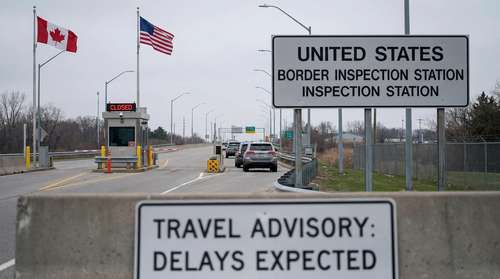
Today, the sudden 5.4% decline in broader inbound tourism serves as a glaring early warning sign. While matches hosted in Canada and Mexico currently operate under separate, significantly more accessible immigration frameworks, the United States leg of the tournament faces serious attendance risks. The harsh combination of multi-thousand-dollar bonds, high visa rejection rates, and blanket travel bans means local hoteliers, restaurant owners, and retail operators may lose out on millions in projected revenue. As the clock ticks down to kickoff, the host nation faces a delicate and highly scrutinized balancing act between enforcing strict national border security and maintaining the inclusive, global spirit of the world's most beloved sport.