Financial markets experienced a dramatic reversal this week as investors reacted with cautious optimism to reports of diplomatic breakthroughs in the Middle East. The prospect of US-Iran ceasefire negotiations 2026 has injected a wave of relief across global exchanges, halting a brutal month-long commodities rally that paralyzed international shipping networks. Following intense weekend rhetoric, a sudden diplomatic pivot has triggered a massive Brent crude price retreat, easing fears of a prolonged and devastating global energy crisis.
Immediate Relief from Crude Oil Market Volatility
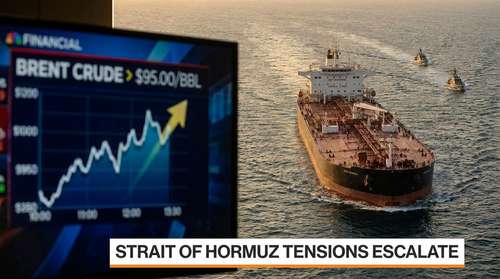
The military conflict, which abruptly escalated on February 28, effectively shuttered the Strait of Hormuz—a critical maritime chokepoint handling roughly 20% of the world's daily oil supply and vast quantities of liquefied natural gas. The sudden closure sent energy markets into an unprecedented tailspin, crushing risk assets globally. However, the tone shifted drastically on Monday, March 23, when U.S. President Donald Trump announced a five-day postponement of threatened military strikes against Iranian power infrastructure.
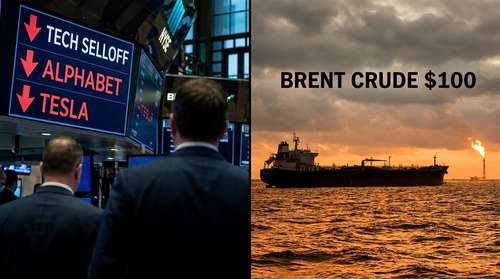
Citing "productive conversations" aimed at resolving the hostilities, the announcement immediately deflated extreme crude oil market volatility. In response to the news, Brent crude futures plunged by approximately 10%, settling near $100 per barrel after briefly touching a staggering $119.50 earlier in the month. West Texas Intermediate (WTI) mirrored the aggressive drop, falling roughly 9.5% to the $88 range. The sudden price collapse marked one of the largest single-day swings in crude futures history.
Conflicting Diplomatic Narratives Emerge
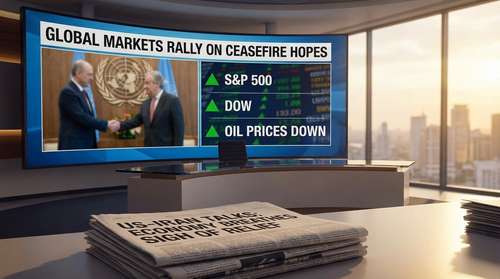
Despite the overwhelming market optimism, diplomatic realities on the ground remain heavily disputed. Iranian officials quickly pushed back against Washington's claims of backdoor diplomacy. Iran's parliamentary Speaker Mohammad Bagher Qalibaf categorically dismissed the reports of bilateral talks as fabricated, suggesting the White House announcements were a psychological tactic designed to manipulate financial markets and lower domestic fuel costs. Regardless of the conflicting rhetoric, equity investors seized on the military pause, sending the S&P 500 up by more than 1.1% for its best single-day performance since the hostilities began.
Adjusting the Global Oil Price Forecast
For weeks, leading energy analysts warned that a sustained blockade in the Middle East could trigger a recessionary supply shock rivaling the devastating 1970s energy crisis. The International Energy Agency (IEA) estimated massive disruptions to the global market, prompting emergency consultations regarding the release of strategic reserves to stabilize prices. The swift market reaction to the delayed strikes has forced institutions to recalibrate their medium-term outlooks.
Goldman Sachs recently updated its baseline global oil price forecast, estimating that despite the current pullback, Brent crude will likely average $85 per barrel throughout the year—up from pre-conflict estimates of $77. The bank noted that while a diplomatic resolution would restore supply chains, the underlying risk premiums attached to Middle Eastern energy infrastructure will persist for months.
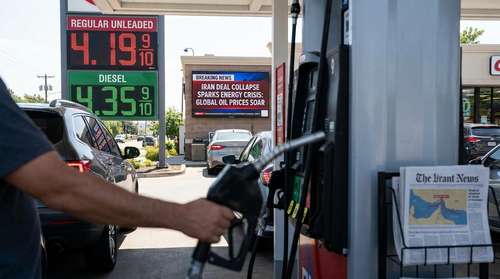
American consumers are desperately hoping this diplomatic window translates into tangible gas price surge relief. The national average for a gallon of regular gasoline in the United States has dangerously approached the $4 mark in recent weeks, acting as a heavy, regressive tax on consumer spending. If the five-day strike postponement materializes into a permanent reopening of the Strait of Hormuz, retail fuel costs could stabilize just in time for the heavy summer driving season.
The Iran War Economic Impact and Monetary Policy
Beyond the immediate pain at the gas pump, the cascading Iran war economic impact has fundamentally altered central bank strategies worldwide. Prior to the February escalation, financial markets had confidently priced in multiple interest rate cuts for 2026. The sudden spike in energy, freight insurance, and agricultural commodity costs aggressively reversed that optimistic narrative.
The updated Federal Reserve inflation outlook now reflects the stubborn reality of renewed supply-chain disruptions. Elevated fuel prices have rapidly bled into the cost of manufacturing and delivering consumer goods, threatening to trigger a secondary wave of inflation. While this week's massive oil sell-off is a highly positive indicator, the Federal Reserve is expected to maintain borrowing costs at their current elevated levels until the geopolitical landscape fully stabilizes and commercial shipping routes operate without the need for military escorts.
Looking Ahead: The Critical Five-Day Window
Traders and geopolitical strategists are now bracing for an intense period of back-channel diplomacy. The United States has established a strict five-day countdown, pausing planned infrastructure strikes to allow room for a permanent resolution. The shift in risk appetite is already visible across other asset classes. Gold, which traditionally surges during periods of geopolitical panic and hit record highs above $5,500 earlier this year, erased its annual gains, tumbling back below $4,300 an ounce as safe-haven assets lost their immediate appeal.
Corporate sectors heavily reliant on fuel, such as the airline and cruise industries, led the stock market rally on Monday, reflecting hopes that the worst of the economic damage has been contained. Whether this week's market rally marks the genuine end of the crisis or merely a temporary reprieve remains entirely dependent on the coming days. For now, the global economy is cautiously breathing a sigh of relief, watching the Gulf to see if diplomatic negotiations will finally translate into lasting stability.